Nut trees are the long game of agroforestry: a planting you make in your forties can feed and pay your family into their sixties. Done well, they also shade livestock, shelter crops, build soil and hold water. This guide covers the main nut trees for agroforestry, where each one grows, how long you wait for a crop, and how to pair them with grazing or alley crops.
Quick answer: Pick the nut species that matches your hardiness zone, rainfall and soil first, then your market. Chestnuts and hazelnuts bear fastest (roughly 3 to 7 years), pecans and walnuts take longer (roughly 6 to 15 years) but live for generations. Hybrid chestnut, hybrid hazelnut and heartnut suit the humid East and Midwest, pecan suits the South, and almond, pistachio and some walnuts suit irrigated Western sites. Plant disease-tolerant, locally proven varieties and protect young trees well.
Why nut trees belong in an agroforestry system
Annual grain and row-crop systems turn over every year. Nut trees do the opposite: deep roots, permanent cover, and a harvest that stores well without refrigeration. Chestnuts and acorn-type crops have long been called “tree crops” for that reason, a food and feed source from land that might otherwise be tilled or overgrazed.
The trade-off is patience and capital. You pay for trees, protection and care for several years before meaningful income. If you are new to the bigger picture, start with what regenerative agriculture is and how to start, then come back to species selection.
Nut tree species by region and hardiness
Match the species to your climate before anything else. Hardiness zone tells you about winter cold, but also check chill hours, summer heat, humidity and late-spring frost risk. Your state extension service and local nurseries will know which varieties actually perform near you.
Chestnut (Zones 4 to 8)
Chinese and Chinese-hybrid chestnuts are the workhorse for the East, Midwest and parts of the Pacific Northwest. They like well-drained, slightly acidic soil and dislike wet feet. American chestnut is still being restored and is mostly a conservation project rather than a commercial crop. Chestnuts need two or more compatible seedlings or cultivars for cross-pollination.
Hazelnut (Zones 4 to 8)
American-European hybrid hazelnuts, bred for eastern filbert blight tolerance, are the shrubby, fast-bearing option for the Midwest and Northeast. The Pacific Northwest grows European hazelnut commercially, but blight limits it east of the Rockies. Hazelnuts are also excellent in hedgerows and buffers.
Pecan (Zones 6 to 9)
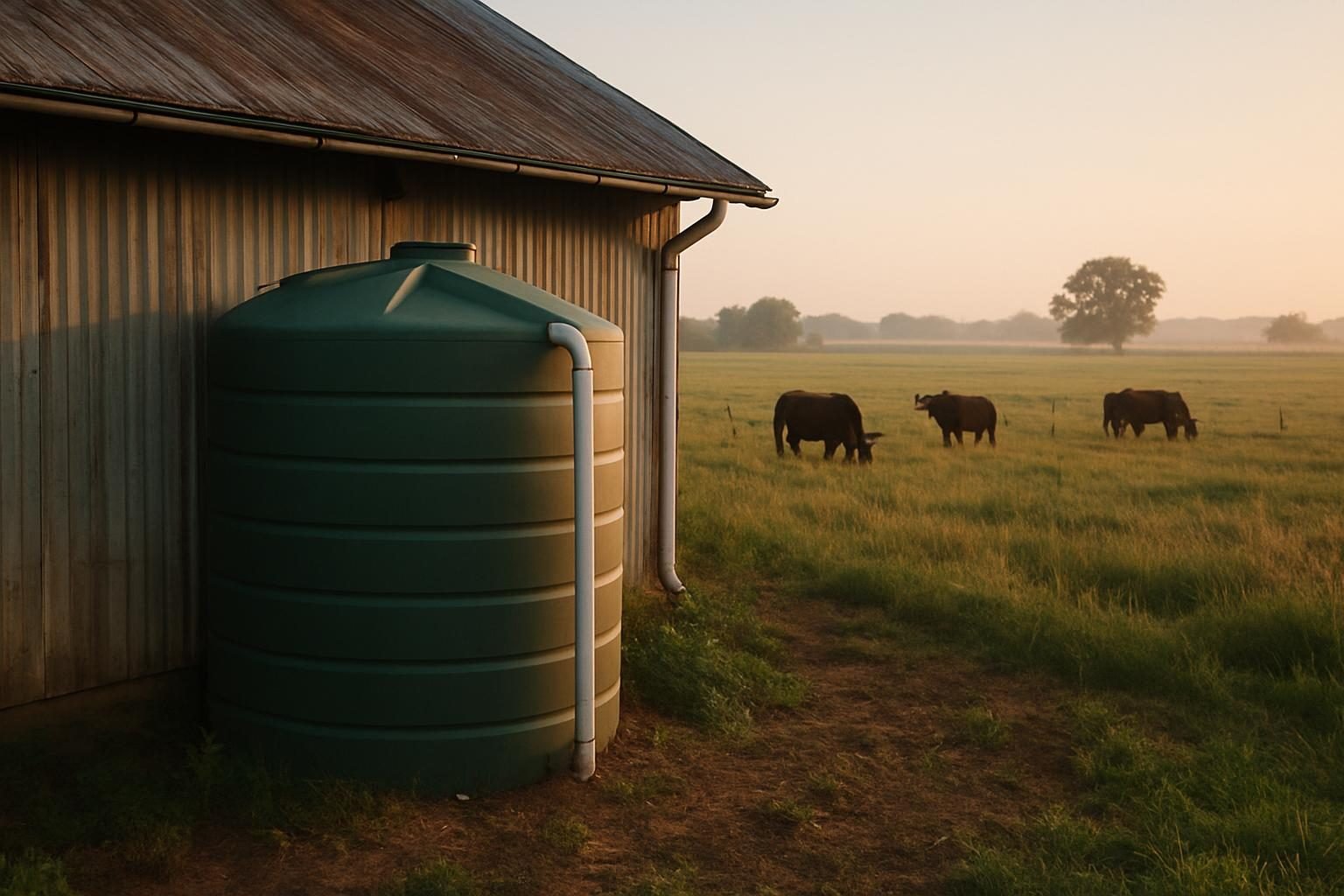
Pecan is the signature nut of the South and southern Plains. It wants long, hot summers, deep soil and good water. Disease pressure, especially scab, is high in humid areas, so choose scab-tolerant cultivars for the Southeast. Northern pecans can work further north with cold-hardy selections, but nut quality is less reliable. Proper rainwater filtration helps ensure consistent water quality for irrigation.
Walnut and heartnut (Zones 4 to 9)
Black walnut thrives on deep, fertile bottomland and is valued for both nuts and timber. English (Persian) walnut dominates irrigated California and some mild western valleys. Heartnut and buartnut (Japanese walnut relatives) are hardier alternatives for cooler East and Midwest sites. Note that black walnut produces juglone, which can stunt certain companions such as tomatoes, so plan your understory accordingly.
Others worth knowing
- Almond and pistachio: Mostly irrigated California and the arid Southwest; high water and input demands.
- Hickory and shagbark: Native, slow, and hard to market, but superb for long-term homestead and wildlife plantings.
- Hican and pawpaw-adjacent tree crops: Niche; verify local performance first.
- Macadamia and some others: Frost-free climates only (Hawaii, parts of the deep South).
Years to bearing and rough yields
These are typical ranges, not promises. Soil, variety, spacing, weather, pollination and management all move the numbers a lot, so treat them as planning estimates and confirm with growers and extension in your area.
| Species | First crop (typical) | Mature yield (rough range, in-shell) | Lifespan |
|---|---|---|---|
| Hybrid hazelnut | 3 to 5 years | Roughly 1,000 to 2,500 lb/acre | 40+ years |
| Chinese chestnut | 3 to 7 years | Roughly 1,500 to 3,000 lb/acre | Many decades |
| Pecan (grafted) | 6 to 10 years | Roughly 1,000 to 2,500 lb/acre | Generations |
| Black walnut (improved) | 6 to 12 years | Roughly 500 to 2,000 lb/acre | Generations |
| Heartnut | 4 to 8 years | Variable; limited data | Several decades |
Agroforestry plantings are usually wider-spaced than orchards, so per-acre yields are often lower in exchange for a second or third product from the same land.
Markets: where the nuts actually go
Planting without a buyer is the most common mistake. Before you order trees, find out who will take your nuts and what they require.
- Direct sales: Farmers markets, farm stands, CSA add-ons and roadside sales usually pay the best per pound for chestnuts, hazelnuts and pecans, but you must handle drying, curing and cleaning.
- Cooperatives and processors: Hazelnut and pecan regions often have aggregators, which reduces marketing work and price per pound.
- Value-added: Roasted chestnuts, flour, hazelnut butter and oil, and cracked pecans can lift returns but require food-safety compliance and cottage-food or licensing rules that vary by state. Check with your state agriculture department.
- Feed: Chestnuts and acorns can feed hogs, a historic pairing worth pursuing carefully.
For pricing logic, see how to price farm products so your farm is profitable, and for the broader financial picture, the regenerative farming business guide covers funding, certification and sales.
Pairing nut trees with grazing and alley crops
Interplanting is how most farmers make nut trees pencil out in the lean early years.
Silvopasture
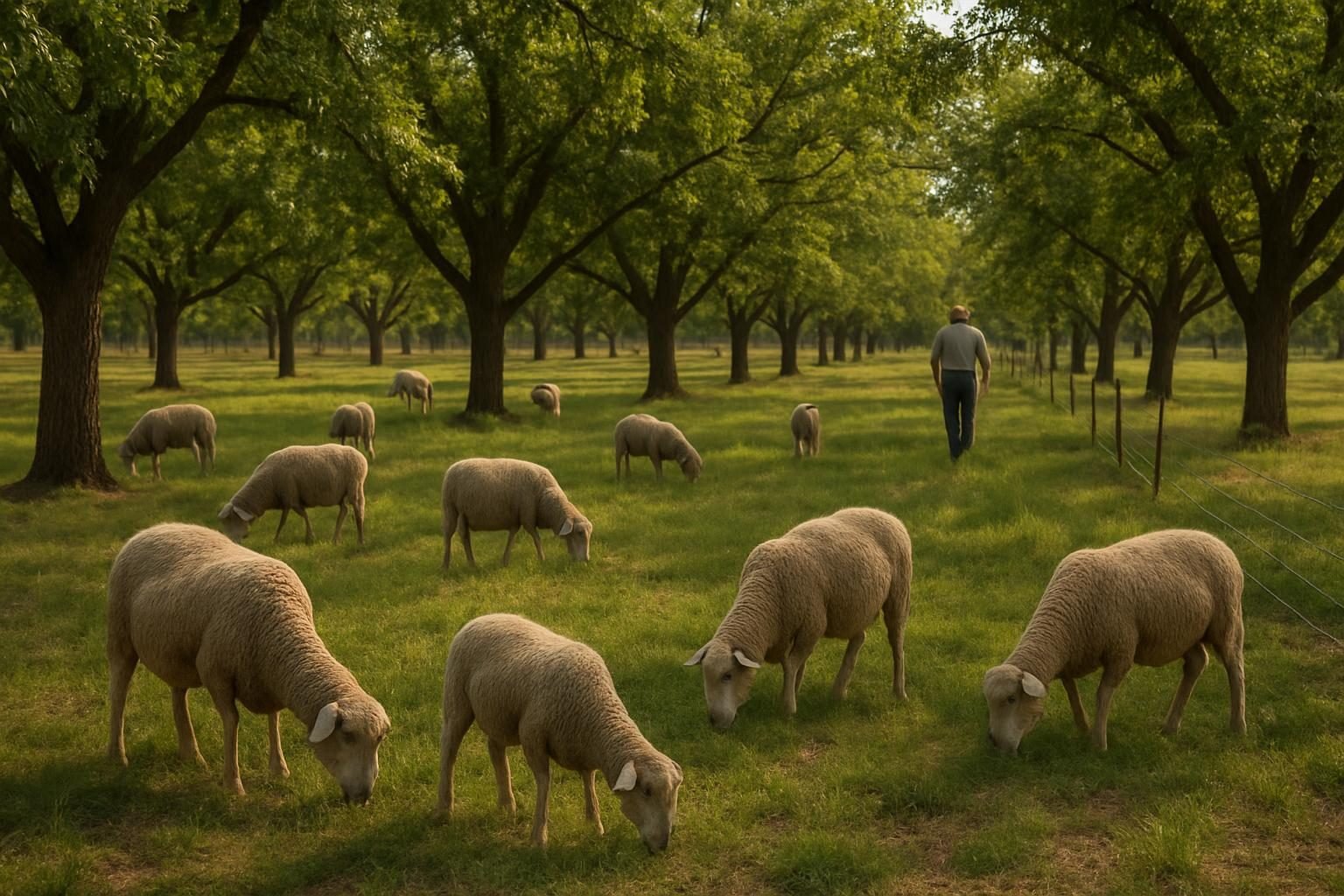
Widely spaced pecans, walnuts or chestnuts over pasture give livestock shade while you wait for nuts. Sheep and poultry are generally easier on young trees than cattle, which can rub, browse and compact roots. Start with silvopasture: combining trees, forage and livestock, and use rotational grazing to keep animals off trees until they are tall and well-guarded. Where you run mixed herds, multi-species grazing can help manage browse pressure. Keep animals out of the tree row during nut drop if food safety is a concern.
Alley cropping
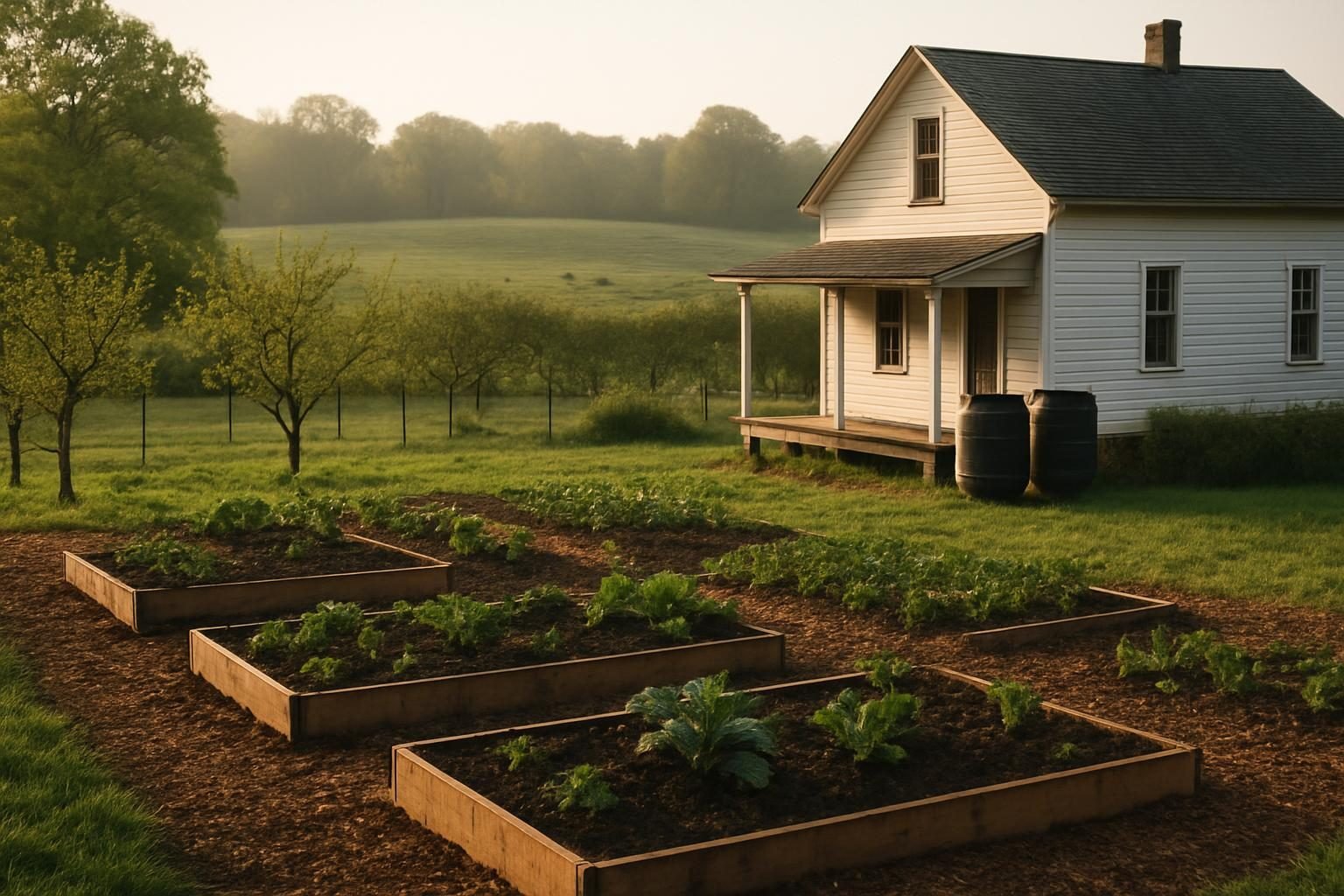
Rows of nut trees with annual or perennial crops between them let you earn from the land while trees grow. Wide alleys (often 30 to 60 feet, set to your equipment) work for hay, vegetables, small grains or cover crops. Read the full approach in alley cropping: growing crops between rows of trees. As canopies close, shift alleys toward shade-tolerant crops or pasture.
Food forests and buffers
Smaller sites can use nut trees as the canopy layer of a food forest, or as productive edges along riparian buffers and windbreaks. Hazelnut shrubs are especially good here, and mixing in hedgerows for pollinators adds habitat and bloom for beneficial insects.
Establishment care: the first five years decide everything
- Read the site. Check drainage, soil depth, pH and frost pockets. Take a soil test and fix pH and fertility before planting, not after. See soil health principles.
- Fix compaction. A hardpan will stunt taproots, especially in pecan and walnut. Use deep-rooted covers and subsoiling only where needed, following how to fix compacted soil without heavy tillage.
- Buy proven stock. Choose grafted or named cultivars suited to your region from reputable nurseries, and ask about disease tolerance and pollination partners.
- Plant shallow and straight. Keep the graft union above soil, spread roots, and water in well.
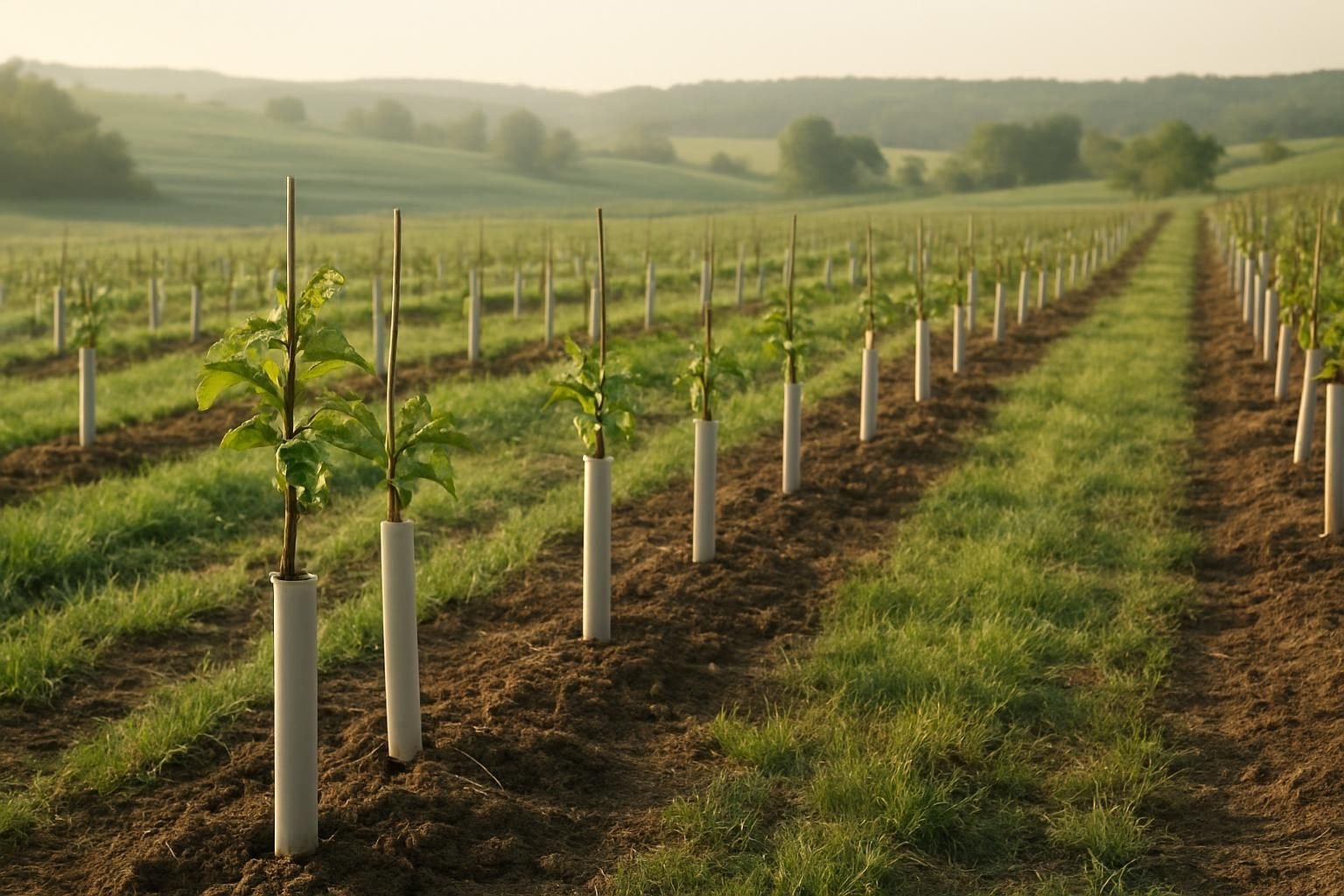
- Protect from critters. Tree tubes, wire cages or fencing guard against deer, rabbits, voles and livestock. This is not optional.
- Mulch and control competition. Keep a weed-free circle of a few feet, with mulch or mowed sod beyond it.
- Water consistently. Young trees usually need regular deep watering through their first seasons, especially in dry summers. A farm pond or well-planned swales and contour work can help with water security, and keyline design shapes land to hold water where trees need it.
- Prune for structure. Train a strong central leader or open vase depending on species, and remove broken or crossing limbs early.
Healthy soil biology also helps young trees. Many nut species form strong partnerships with mycorrhizal fungi, so avoid unnecessary tillage and heavy fungicide use around the root zone where possible.
Funding and risk
Because of the long payback, look into cost-share before you plant. NRCS programs sometimes support tree planting and agroforestry practices, and the Conservation Stewardship Program is one option to explore. Eligibility, payment rates and practices change, so confirm current details with your local NRCS office. Tree plantings can also be part of a broader climate strategy, as discussed in regenerative agriculture and climate change, though do not count on carbon income to make the project work.
Spread your risk. Plant more than one species, stagger planting dates, and keep an income crop running in the alleys. Browse more planning resources in our Agroforestry and Water section.
Key takeaways
- Match species and variety to your zone, chill hours, soil and rainfall before choosing for flavor or fashion.
- Hazelnut and chestnut bear soonest; pecan and walnut take longer but last generations.
- Line up a buyer or direct-sales plan before planting.
- Use alley crops or silvopasture to earn during the long wait for nuts.
- Protect and water young trees for the first several years; most failures happen here.
- Treat yield and income figures as estimates and verify with local growers and extension.
Frequently asked questions
What is the fastest nut tree to bear a crop?
Hybrid hazelnuts and some grafted chestnuts are generally the quickest, often producing a first small crop in about 3 to 5 years. Pecans and black walnuts usually take longer, commonly 6 to 12 years, depending on variety and care.
Can I graze livestock under nut trees?
Yes, but protect young trees until they are large enough to withstand rubbing and browsing, and manage grazing so animals do not compact roots or contaminate nuts at harvest. Sheep and poultry are often easier on trees than cattle, and a rotational plan helps.
Which nut trees grow best in the cold North?
Hybrid hazelnut, Chinese-hybrid chestnut, black walnut and heartnut are commonly grown in colder zones (roughly 4 to 5). Choose cold-hardy, locally tested varieties and watch for late-spring frost damage to flowers.
Do I need more than one tree to get nuts?
For most species, yes. Chestnuts, hazelnuts and many pecan and walnut cultivars need compatible pollinizers to set a good crop. Ask your nursery which varieties bloom together and plant them in proximity.
Is growing nut trees profitable?
It can be, but returns are slow and depend on your market, scale and management. Plan on years of expense before income, keep alley or grazing revenue running in the meantime, and run your own numbers using local prices and costs rather than relying on generic figures.