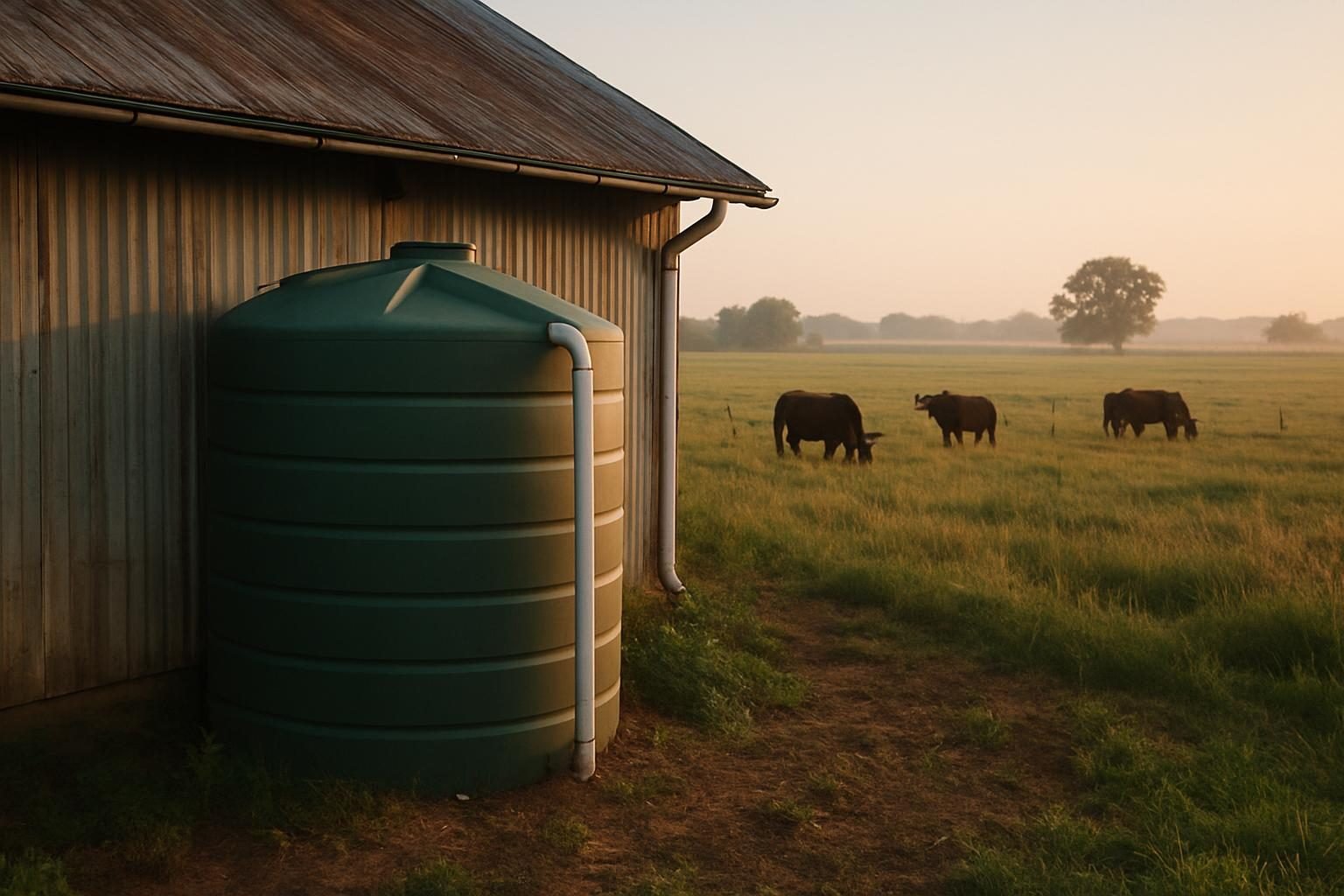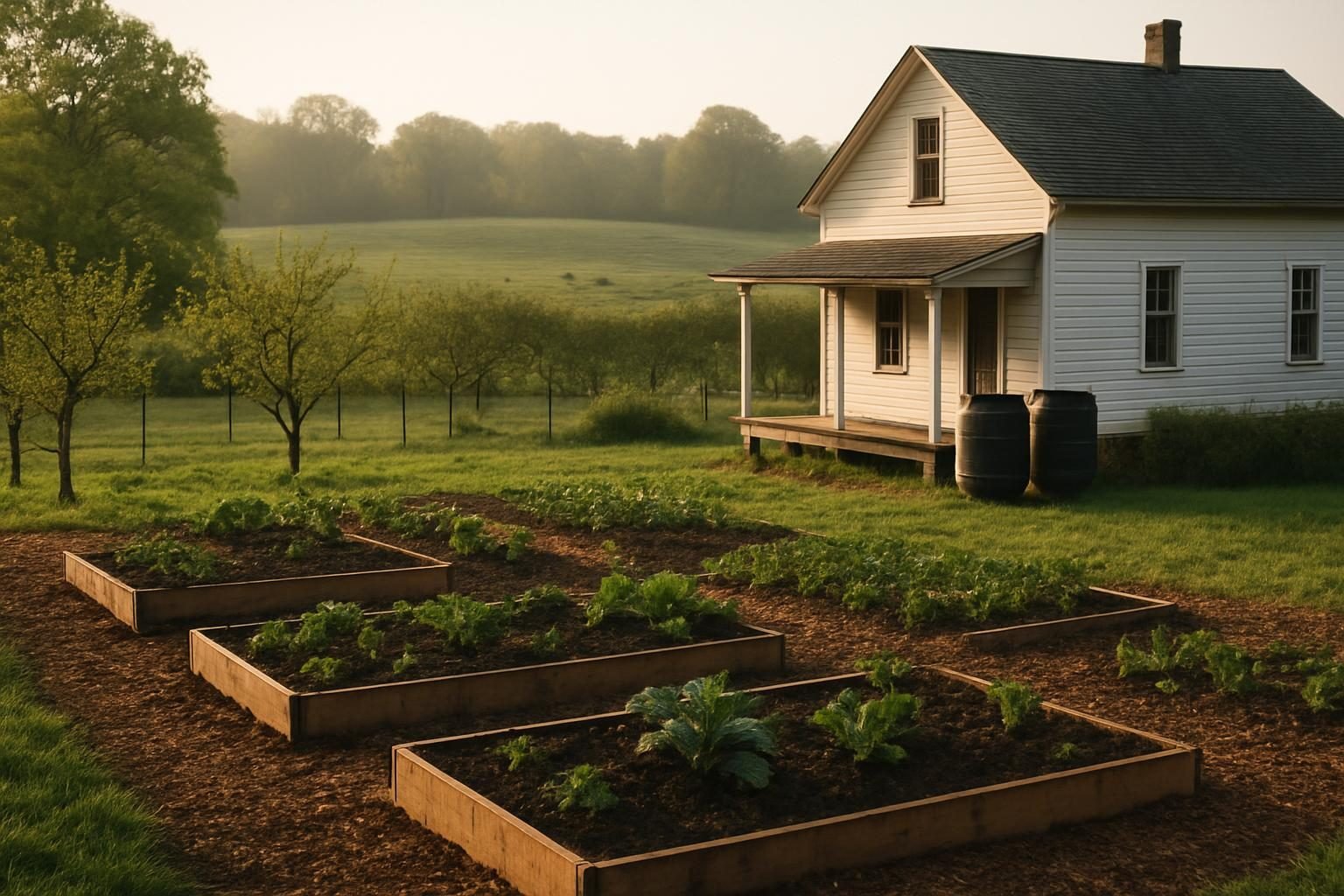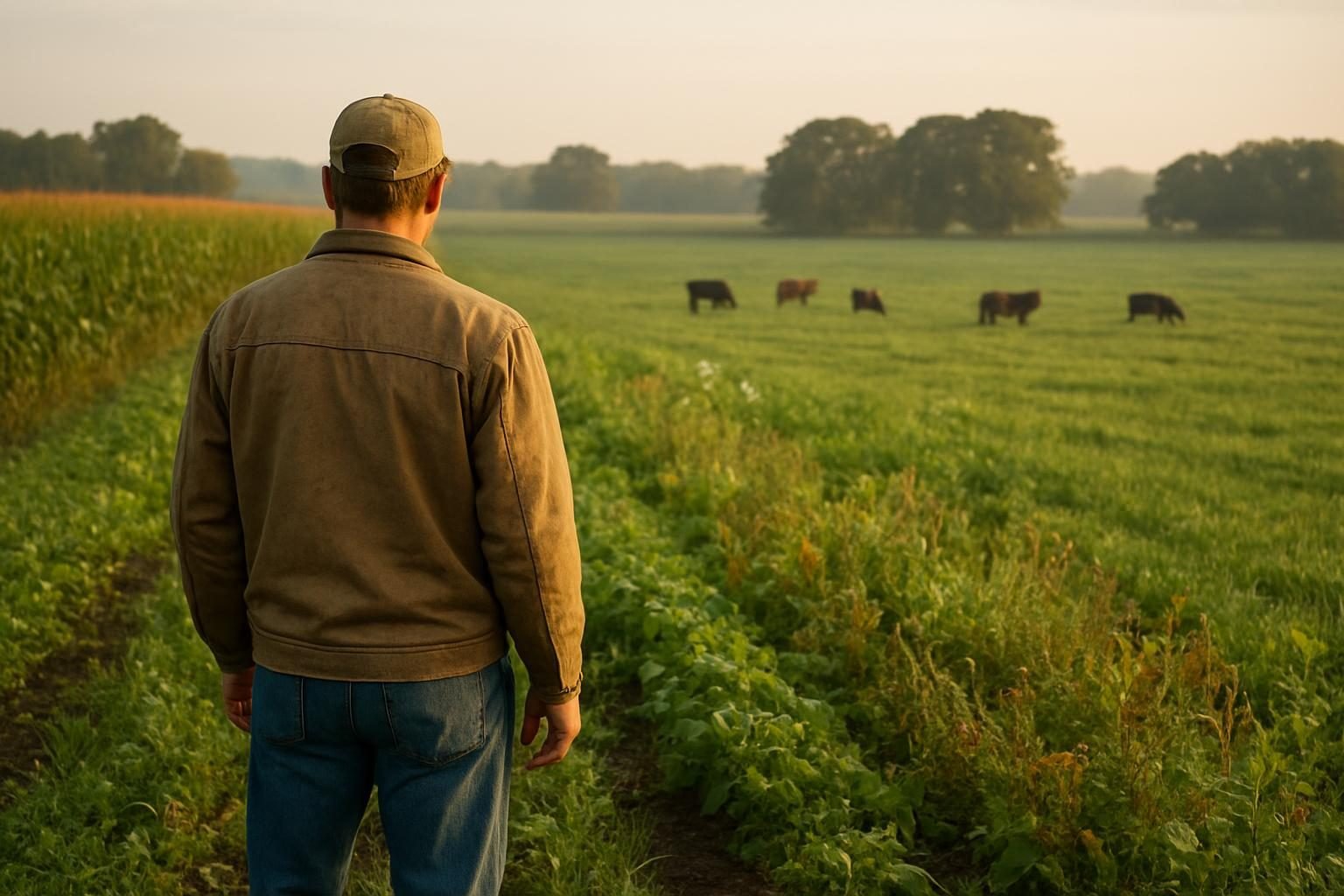
The conservation stewardship program (CSP) is one of the few federal programs that pays you for conservation you are already doing, not just for fixing a problem. If you have spent years building soil, managing grazing carefully, or planting trees, CSP is built for you. Here is how it works, how it differs from cost-share programs, and how to get a contract written.
Quick answer: The Conservation Stewardship Program is a USDA NRCS program that provides annual payments to farmers and ranchers who already meet a baseline level of conservation and agree to maintain it and add new practices (called enhancements and bundles) over a multi-year contract, typically five years. Unlike EQIP, which mostly helps you install a practice, CSP rewards ongoing management. Funding levels, payment rates, and sign-up dates change, so confirm current details with your local NRCS office.
What the Conservation Stewardship Program Actually Is
CSP is a voluntary program administered by the USDA Natural Resources Conservation Service (NRCS) and authorized through the Farm Bill. It is a working-lands program, meaning the land stays in production. You are not retiring acres; you are being paid to farm in a way that protects soil, water, air, plants and wildlife.
The core idea is simple. NRCS looks at the conservation you already have in place on your operation, then offers a contract to keep that going and to layer on more. You earn payments based on both the existing stewardship level and the additional activities you commit to.
For regenerative farmers, that is a good fit. Many of us built our systems without any cost-share help, and CSP is one of the few programs that recognizes that earlier work. If you are still sorting out the basics, start with our overview of what regenerative agriculture is and how to start.
CSP vs EQIP: The Key Differences
People confuse these two constantly, and the difference matters when you decide where to spend your application effort. EQIP is largely a cost-share program: NRCS helps pay part of the cost of installing a practice, like a fence, a water system, or a cover crop seeding. CSP is a stewardship program: it pays for the ongoing management and the conservation level you maintain.
| Feature | CSP | EQIP |
|---|---|---|
| Main purpose | Reward and expand existing conservation | Fix resource concerns by installing practices |
| Payment type | Annual payments for stewardship and enhancements | Cost-share and incentive payments for practices |
| Who it suits | Operations already doing good conservation | Operations with unaddressed resource concerns or starting out |
| Typical contract length | Multi-year (commonly five years, with renewal possible) | Multi-year, depending on practices scheduled |
| Infrastructure | Limited; focus on management | Strong fit for fencing, water, structures |
The two are not mutually exclusive in a farm’s long-term plan. Many operations use EQIP to build the infrastructure, then move into CSP to be paid for managing it well. Rules about holding both on the same land can apply, so check with NRCS. Our guide to EQIP for regenerative farmers and NRCS cost-share covers the other side of this decision in detail.
Who Is Eligible for CSP
Eligibility generally comes down to a few things. Confirm each against current NRCS rules, since details and thresholds are updated over time.
- Eligible land: Cropland, pastureland, rangeland, and certain forestland and associated agricultural land. The land must be in your operation’s control.
- Operator and farm records: You generally need a USDA farm number and to have your farm records current with the Farm Service Agency (FSA).
- Control of the land: You need to control the land for the length of the contract, through ownership or lease. Rented ground can qualify, but expect NRCS to ask about your lease terms.
- Baseline conservation: You need to be meeting stewardship thresholds for resource concerns on the land you enroll, and be willing to meet additional thresholds during the contract.
- Other requirements: Adjusted gross income limits, conservation compliance rules for highly erodible land and wetlands, and payment limitations may apply. Ask NRCS what applies to you.
Beginning farmers, socially disadvantaged farmers, and veteran farmers may be eligible for special consideration or set-asides in some funding pools. If that describes you, also look at farm grants for beginning farmers and ask NRCS about current priority categories.
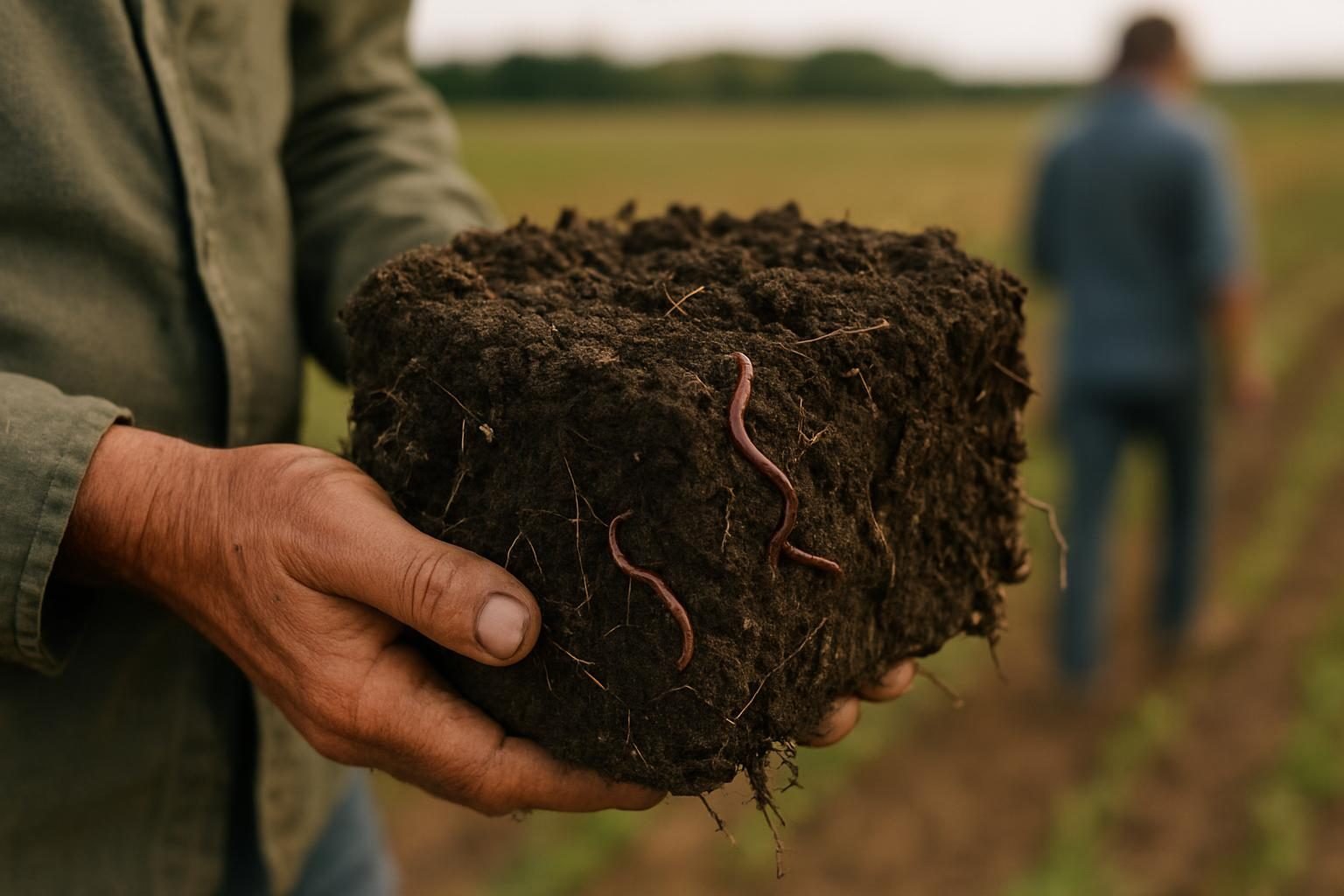
CSP Enhancements That Fit Regenerative Practices
CSP contracts are built from enhancements and bundles. Enhancements are specific activities that go beyond the baseline. Bundles group several enhancements that work together on a resource concern. The menu changes by state and by year, so treat the list below as the kinds of activities that tend to map to regenerative management, not a promise of what is on your state’s list.
Soil health and cropland
- Cover crops, including multi-species mixes and extended cover crop periods. See our guide to cover crop mixes for soil health, grazing and weeds.
- Reduced or no-till management and soil disturbance reduction.
- Soil testing used to guide nutrient and management decisions. Learn the options in soil testing for regenerative farmers.
- Diverse crop rotations and nutrient management beyond baseline requirements.
Grazing and livestock
- Prescribed and adaptive grazing, including monitoring and adjusting stocking decisions. Our complete guide to rotational grazing explains the management side.
- Practices that improve forage diversity, plant cover, and riparian protection.
- Winter-feeding approaches that spread nutrients and protect sensitive areas, like those in bale grazing.
Trees, habitat, and water
- Windbreaks, shelterbelts, and tree plantings. See windbreak design, species and benefits.
- Wildlife habitat enhancements such as pollinator plantings and field borders.
- Water quality and conservation activities that reduce runoff and keep nutrients in place.
A note on honesty: not every regenerative practice has a matching enhancement. Some you do because they pay off in the soil and the P&L, with no CSP check attached. Choose enhancements you would do anyway, or can do well, rather than chasing points.
Contract Length and Payments in General Terms
CSP contracts have commonly run five years, with the possibility of renewal if you meet the requirements and add further conservation. Check current program rules, since terms can be adjusted in the Farm Bill and by NRCS policy.
Payments are generally made annually. They are typically built from two parts: a payment for the existing conservation you maintain, and payments for the new enhancements you adopt. Payment rates differ by land use, region, and the specific enhancement, and there are payment limits per person or entity. I will not quote dollar figures here because they shift each year and by state. Expect NRCS to calculate an estimated payment after your application is ranked, and ask them to show the math. Understanding how to price farm products can also help you evaluate whether CSP payments align with your overall farm profitability strategy.
Two practical points. First, CSP payments are not a substitute for farm income. Treat them as a supplement that rewards good management. Second, factor the extra record-keeping and monitoring into your time. If you are building a plan around program payments, tie it to a real farm business plan so the numbers hold up. For the bigger funding picture, see our hub on the regenerative farming business: funding, certification and sales.
How to Apply: A Step-by-Step Checklist
- Contact your local NRCS office. Find the service center for your county through the USDA Service Center locator. Ask about current CSP sign-up periods and ranking dates.
- Get your farm records in order. Establish or update your farm number and records with FSA, and be ready to document land control (deed or lease).
- Complete the initial application. This is usually a short form. Applying early and meeting the ranking cutoff matters, because funding is competitive and sign-up periods are limited.
- Meet with an NRCS conservationist. They review your operation, assess your current stewardship, and discuss resource concerns on your land. Bring maps, rotation history, grazing records, and soil tests.
- Select enhancements and bundles. Choose activities that fit your management and your capacity. Be realistic about what you can implement and document.
- Review the ranking and offer. Applications are scored. If yours is funded, you receive a contract with the payment schedule and the obligations spelled out.
- Read before you sign. Understand the requirements, timelines, and what happens if you fall short. Ask questions.
- Implement and keep records. Document your activities as required so payments are not delayed.
Making CSP Work for Your Operation
A few lessons that apply across regions. In the humid East and South, water quality, cover crops, and riparian buffers often carry weight. In the Corn Belt, soil disturbance reduction and rotation diversity tend to be central. In the arid West, grazing management and rangeland health are often the core of a contract. Your state’s NRCS list will reflect those priorities, so the same practice can score differently depending on where you farm.
Pair program payments with market value where you can. A stewardship record supports the story you tell customers, and it can feed into a label or certification strategy such as Regenerative Organic Certified compared with other labels. If you sell direct, tie your conservation work to your marketing, as covered in how to sell grass-fed beef direct to customers. And if you are weighing soil carbon income on top of program payments, read up on carbon credits for farmers before signing anything, since overlapping programs can raise questions.
If you are earlier in the journey, a structured path helps. Our 3-year plan to transition to regenerative agriculture pairs well with a first CSP or EQIP contract. For more funding and business guides, browse the Farm Business & Funding section.
Key Takeaways
- CSP pays for ongoing stewardship and for adding new conservation, rather than mainly for installing practices like EQIP does.
- Contracts commonly run five years with annual payments, but terms, rates and limits change, so verify with NRCS.
- Regenerative practices like cover crops, adaptive grazing, reduced tillage, and tree plantings often map to enhancements, depending on your state.
- Start with your local NRCS office, get FSA records in order, and apply before the ranking cutoff.
- Choose enhancements you would do anyway, and budget time for record-keeping.
This article is general information, not legal or tax advice. Program rules, payment rates, and sign-up dates change; confirm current details with your local NRCS office and talk to a qualified tax or legal professional about how payments affect you.
Frequently asked questions
Can I get both CSP and EQIP?
Many operations use both over time, often EQIP first to install infrastructure and CSP later to reward management. Rules on holding both on the same land at the same time can apply, so ask your NRCS conservationist how they handle it in your state.
Do I have to already be doing regenerative practices to qualify?
CSP is designed for operations that already meet a baseline level of conservation. If you are just starting and have unresolved resource concerns, EQIP may be a better first step. Your NRCS office can assess where you stand.
Can I enroll rented land in CSP?
Often yes, if you control the land for the length of the contract. NRCS will typically ask about your lease terms and may want landowner involvement, so talk to them early and check that your lease covers the full contract period.
How much will I be paid?
It varies by state, land use, and the enhancements you choose, and payment limits apply. NRCS can give you an estimate once your application is evaluated. Treat any number you hear secondhand as a rough guide and ask for the calculation.
When can I apply for CSP?
Applications can often be submitted year-round, but NRCS evaluates them at set ranking dates, and funding is competitive. Contact your local office to learn the current ranking deadlines and apply before the next cutoff.