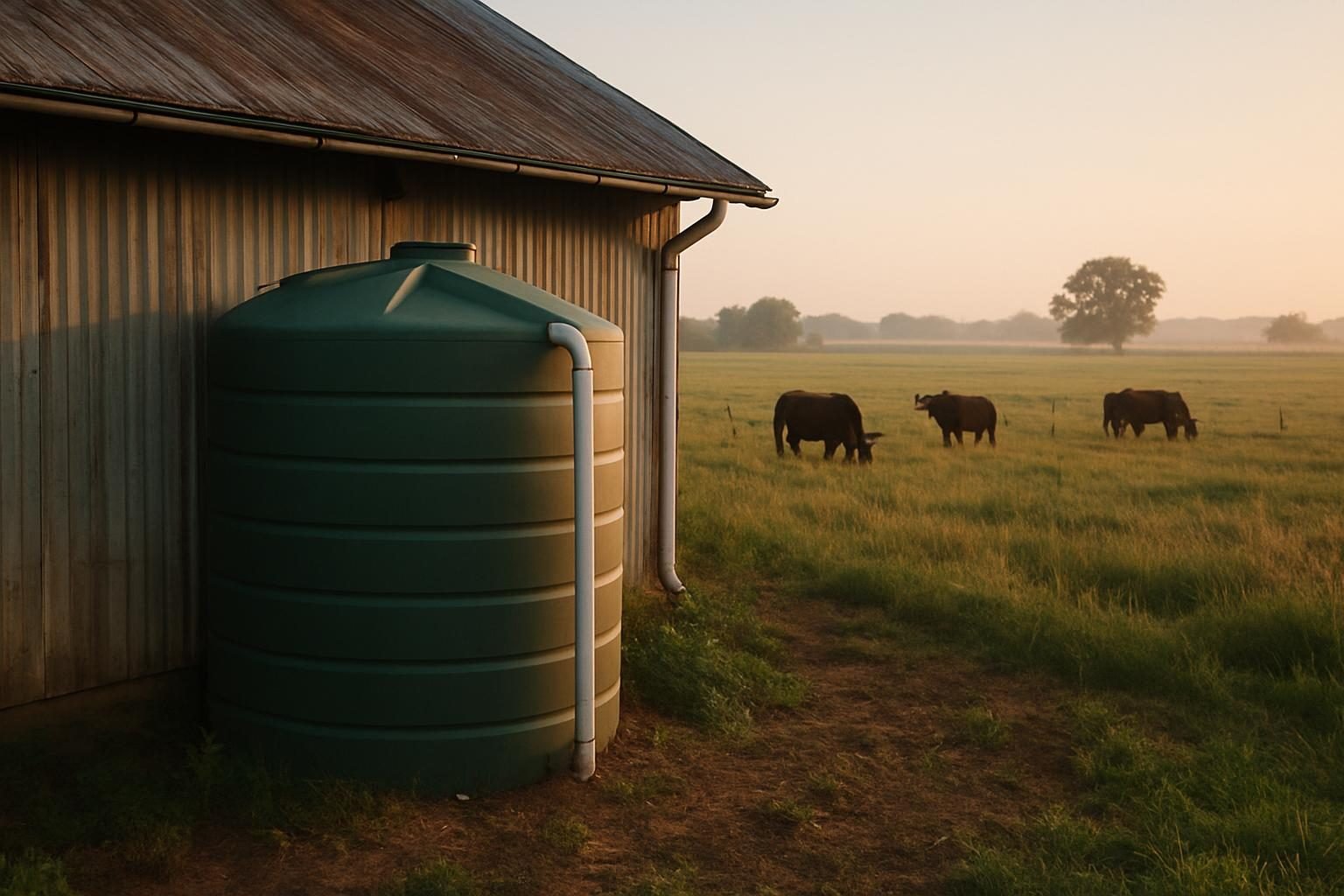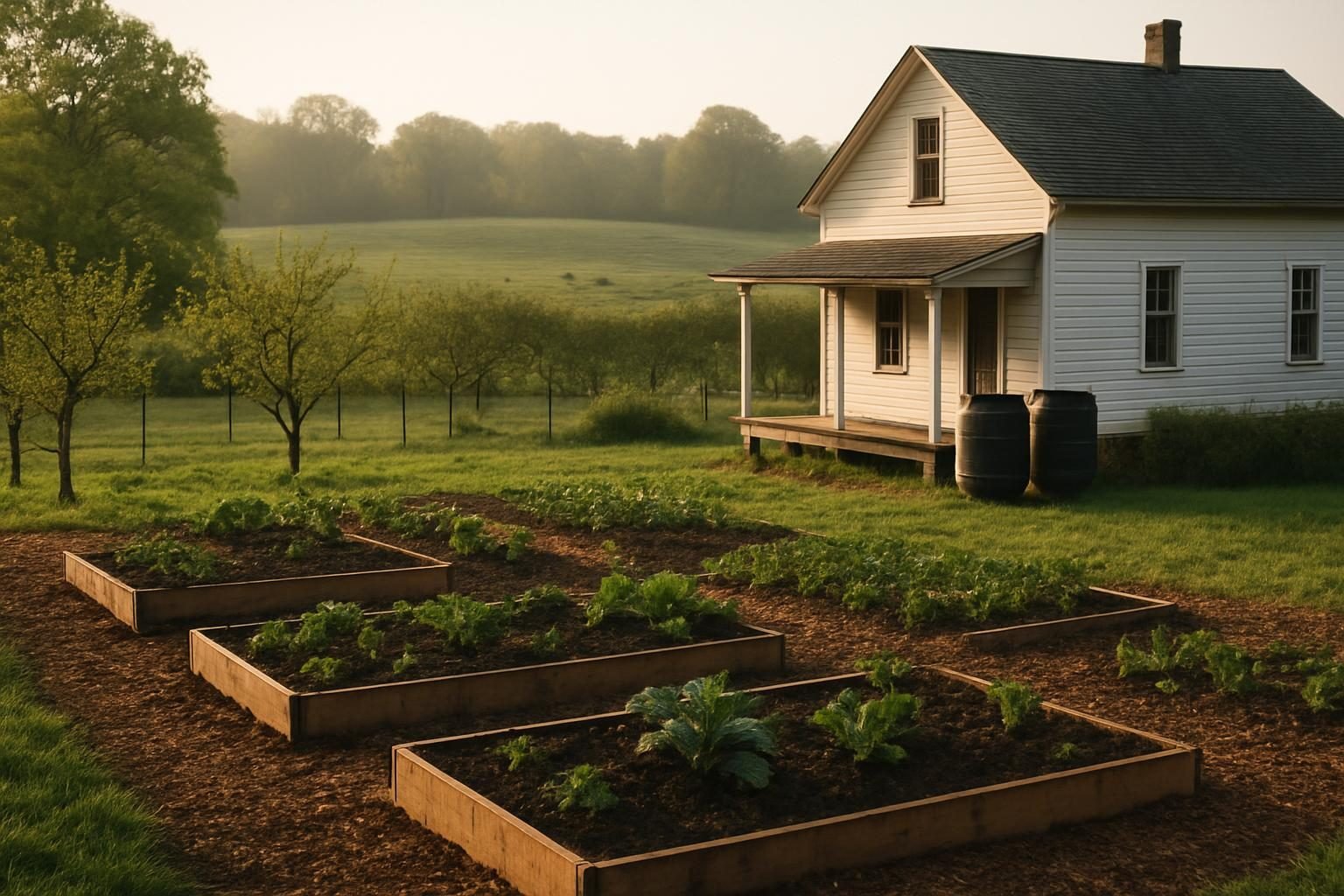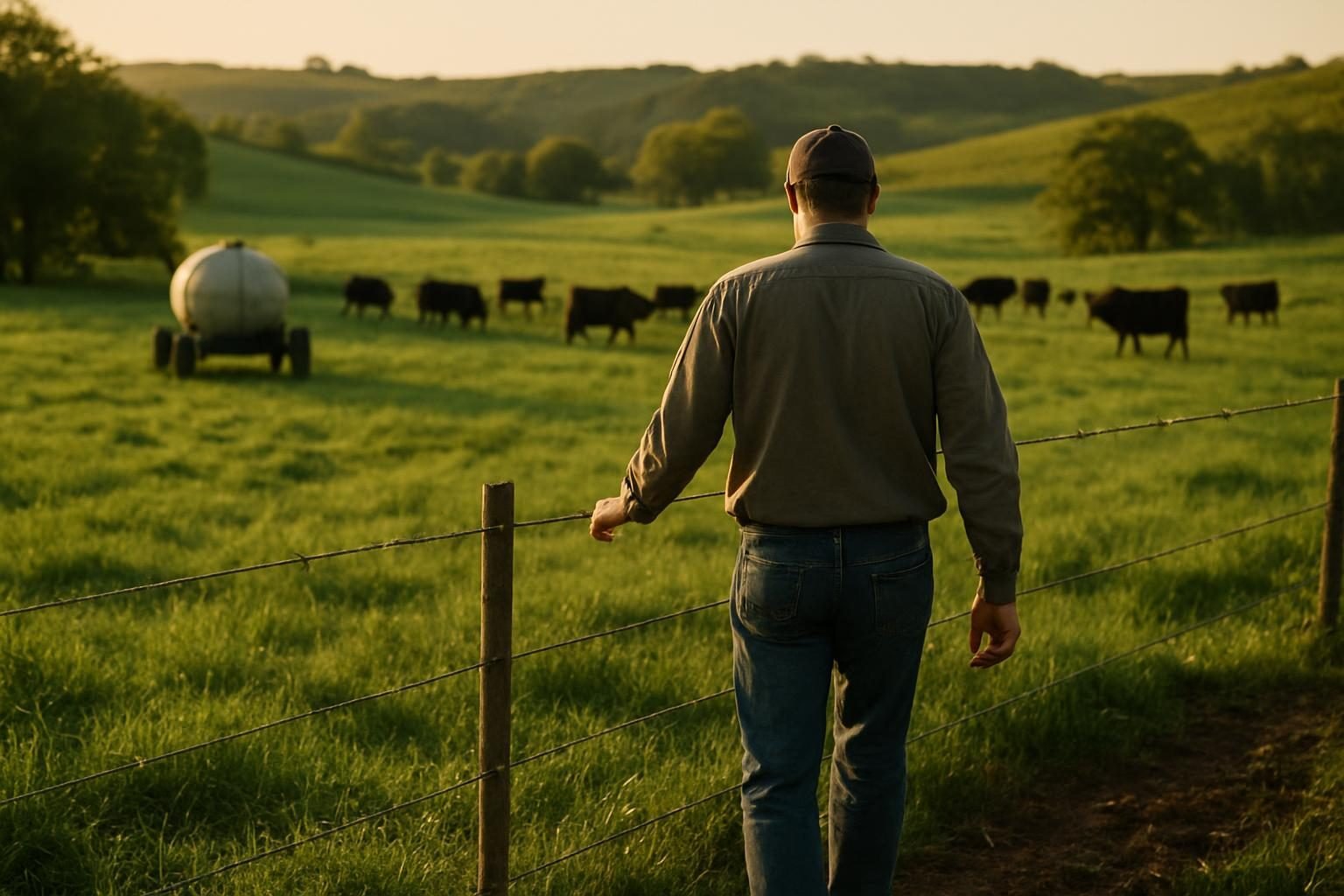
If you are building soil with cover crops, adaptive grazing or trees, there is a federal program that can help pay for the infrastructure and practices. EQIP for regenerative farmers is one of the most useful, and most misunderstood, funding tools in American agriculture. This guide walks through what it covers, how to apply, and how to avoid the mistakes that sink first-time applications. (To learn more about why these practices matter, see benefits of regenerative agriculture.)
Quick answer: The Environmental Quality Incentives Program (EQIP), run by USDA’s Natural Resources Conservation Service (NRCS), pays a share of the cost of conservation practices such as cover crops, prescribed grazing, fencing, livestock water and high tunnels. You apply through your local NRCS office, your application is ranked against others, and you only get paid after practices are installed to NRCS standards. Always confirm current rules, practice lists and payment rates with NRCS.
What EQIP is (and what it is not)
EQIP is a cost-share program. NRCS does not hand you a check to farm differently; it reimburses part of the cost of installing approved conservation practices on your land. Payments are typically set by practice, based on scenarios that estimate average costs in your region, so your actual out-of-pocket cost may be higher or lower than the payment.
Two things surprise newcomers. First, EQIP is a contract, usually running several years, with specific practices scheduled by year. Second, it is not a reward for what you have already done. Practices you installed before your contract is approved generally do not qualify, so planning ahead matters.
If you are still getting your bearings on the basics of building soil, start with our overview of what regenerative agriculture is and how to start before sitting down with NRCS.
What EQIP can pay for
The practice list is built around NRCS conservation practice standards, each with a numbered code. Which ones are available, and at what rates, varies by state and by year. Here is how common regenerative practices map to EQIP, in general terms:
| What you want to do | Typical NRCS practice name | Notes |
|---|---|---|
| Plant cover crops | Cover Crop | Often paid per acre; species mix, seeding date and termination rules apply |
| Reduce tillage | Residue and Tillage Management (No-Till or Reduced Till) | Commonly bundled with cover crops in a soil health plan |
| Rotate livestock through paddocks | Prescribed Grazing | Requires a grazing plan; may be paid per acre |
| Build interior fence | Fence | Paid per foot with caps; must support the grazing plan |
| Provide water in each paddock | Pipeline, Watering Facility, Pumping Plant, Livestock Pipeline | Often the most valuable part of a grazing contract |
| Extend the vegetable season | Seasonal High Tunnel System for Crops | Size limits and management requirements apply |
| Add trees to pasture or crop land | Silvopasture, Alley Cropping, Tree/Shrub Establishment | Availability varies by state |
| Improve forage | Forage and Biomass Planting | Seed mixes follow NRCS standards |
For grazing operations, the combination of fence, water and a grazing plan is where EQIP shines. Our guides to rotational grazing and adaptive multi-paddock grazing will help you sketch paddock layouts before you meet with a conservationist. If trees are part of your vision, read up on silvopasture first, since NRCS will want specifics on spacing and species.
Cover crops under EQIP
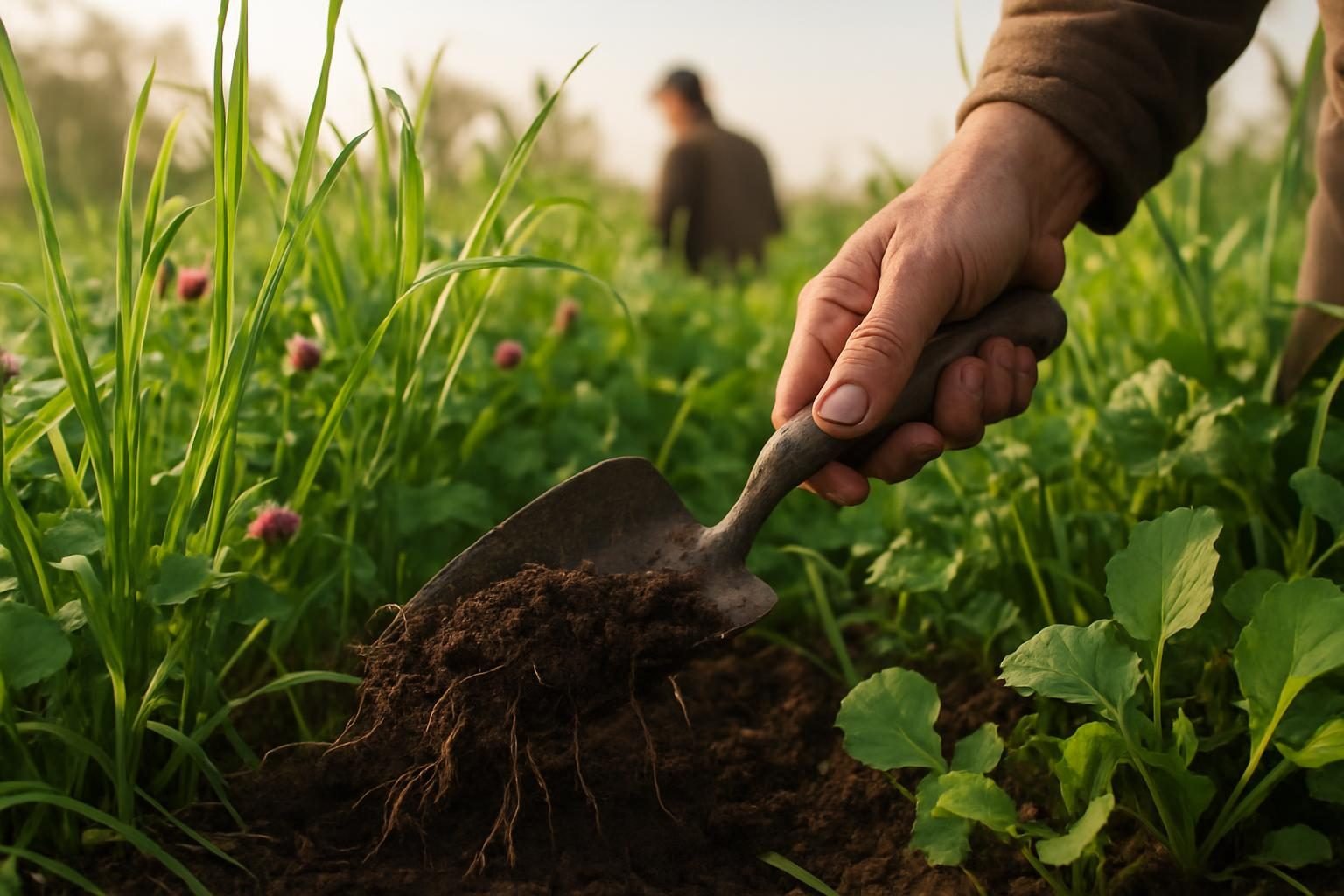
Cover crop payments exist to offset seed, planting and management costs, and NRCS will have rules on species, seeding windows and how the crop is terminated. Some states offer higher payments for multi-species mixes or for pairing covers with no-till. If you are new to them, our cover crops for beginners guide covers choosing, planting and terminating, which will make your conversation with NRCS far more productive.
High tunnels for small and market farms
The seasonal high tunnel initiative is popular with vegetable growers, including urban and small farms. The tunnel must be used for crop production in the soil, not as a permanent greenhouse with benches. If you are planning a market garden, see our step-by-step market garden plan to figure out whether a tunnel fits your business before you commit.
Who is eligible
Eligibility rules are set at the federal level and interpreted locally, so verify details with your office. In general, you will need:
- Control of the land. Owners and long-term lessees can apply. Leases need to cover the contract period, or you may need landowner consent.
- An agricultural operation. This includes crops, livestock, forestry and, in many cases, small and beginning farms.
- A farm record number. You establish this with your local USDA Farm Service Agency (FSA) office.
- Compliance with conservation rules. Highly erodible land and wetland provisions may apply.
- Adjusted gross income within limits. Income limits exist; check the current thresholds.
NRCS has historically offered special sign-up funding pools or higher payment rates for beginning farmers, historically underserved producers and limited-resource farmers. These set-asides change, so ask what is available now.
How to apply: a step-by-step plan
- Get your farm records in order. Visit your FSA office to establish a farm number and a record of your land. Do this early, since it can take time.
- Contact your local NRCS office. Find it through the USDA Service Center locator. Ask for a conservation planning conversation, not just an application form.
- Walk the land with a conservationist. They will help identify resource concerns such as erosion, degraded soil, poor water quality, inadequate livestock water or fragmented habitat.
- Define your goals and practices. Bring a sketch map, a grazing or rotation plan, and a rough budget. Be specific about what you will install and in what order.
- Submit your application. Applications are accepted year-round, but NRCS sets one or more ranking dates (cutoffs) each year. Miss one, and you wait for the next.
- Wait for ranking and funding. Your application is scored against others in your state or local pool.
- Review the contract. Read the schedule, payment amounts and maintenance requirements carefully before signing.
- Install practices to NRCS specifications. Keep receipts and documentation. Do not start installation before the contract says you can.
- Get certified and paid. After NRCS verifies the practice meets standards, you are reimbursed at the contract rate.
How ranking and timing work
Funding is limited, and not every eligible application is funded. NRCS uses ranking questions to score each application based on the resource concerns addressed, the expected conservation benefit, how well the practices fit together and local priorities. Applications addressing high-priority concerns in your area tend to score better.
A few practical points about timing:
- Apply early and apply again. Many farmers are funded on their second or third try. Ask your conservationist how to improve your score.
- Ranking dates differ by state. Ask for the current cutoffs, and for any special initiatives with their own deadlines.
- Do not buy first. Purchasing materials or starting work before you have a signed contract and an authorization to proceed can make you ineligible for payment on those items.
- Budget for cash flow. You usually pay up front and are reimbursed afterward. Plan for the gap.
- Payments may be taxable income. Talk to a tax professional about how cost-share is treated for your farm.
Tips for a stronger EQIP application
- Think in systems. A grazing plan with fence, water and forage improvement tells a more convincing story than a single standalone practice.
- Know your resource concerns. Compaction, bare soil, eroding streambanks and lack of water in pastures are all concerns NRCS recognizes. Describe yours in their language.
- Be realistic on timing. Contracts schedule practices by year. Do not promise 200 acres of cover crop if you can only manage 40.
- Keep records. Dates, species, seeding rates, grazing moves and photos make verification painless.
- Build a relationship. Local conservationists know what ranks well and which practices have the best rates. Be curious and ask questions.
- Know the trade-offs. Cost-share comes with obligations, including maintaining practices for their lifespan. If a practice does not fit your management style, say so before signing.
Regional differences to expect
EQIP looks different depending on where you farm. In the humid East and South, water quality, pasture renovation and erosion control tend to dominate, and woody practices may be prominent. In the Corn Belt, cover crops, reduced tillage and nutrient management are common. In the arid West, livestock water, grazing management, irrigation efficiency and rangeland health often lead. State conservationists set priorities, so your neighbor’s contract in another state may not resemble what is offered to you.
EQIP alongside other funding
EQIP is one tool among several. Farmers who have already adopted many practices sometimes look at the Conservation Stewardship Program, which rewards ongoing stewardship rather than new installations. Beginning farmers should also explore farm grants for beginning farmers and low-interest loans to cover the upfront costs that cost-share does not. If you are weighing payments for soil carbon, understand how carbon credits for farmers work and what the catches are, since some programs have rules about stacking incentives.
Funding should serve a business plan, not replace one. A solid farm business plan helps you decide which practices pay for themselves and which only make sense with cost-share. For the bigger picture, see our regenerative farming business guide on funding, certification and sales, and browse more in the Farm Business & Funding category. If you are also pursuing certification, note that EQIP-funded practices may support your efforts, but a program like Regenerative Organic Certified has its own standards; our comparison of regenerative vs organic farming explains the differences.
Key takeaways
- EQIP is a cost-share program: NRCS reimburses a portion of approved conservation practices, after installation.
- Cover crops, prescribed grazing, fence, livestock water, high tunnels and tree practices are commonly available, but rates and lists vary by state and year.
- Start at your FSA office for a farm number, then sit down with your local NRCS conservationist.
- Applications are ranked; apply before the cutoff, expect competition and consider reapplying.
- Do not buy materials or start work before your contract authorizes it.
- Always verify current eligibility, practice standards, payment rates and deadlines with NRCS.
Frequently asked questions
Does EQIP pay for 100 percent of a practice?
No. EQIP pays a share of the estimated cost based on payment schedules, and the share can be higher for beginning, limited-resource or historically underserved producers. Your actual costs may differ from the scheduled payment, so ask your conservationist how rates compare with local prices.
Can I get paid for practices I already did?
Generally not. Practices installed before your contract is approved and authorized usually are not eligible. Some programs have limited provisions for early starts, but you must get written approval first. Ask NRCS before spending money.
Do I need to own the land to apply?
Not necessarily. Renters can often apply if they have control of the land for the length of the contract, and a landowner may need to provide consent. Check the lease terms with your NRCS office so the practices you plan can stay in place.
Is EQIP only for large farms?
No. Small farms, urban growers, homesteaders with agricultural production and market gardeners can apply. Your operation does need to meet the program definition of an agricultural operation and have a farm record number with FSA.
How long does it take to get paid?
It varies. The process from application to ranking to contract can take months, and payment comes after practices are installed and certified by NRCS. Plan your finances around reimbursement rather than advance payment, and confirm current timelines with your local office.