Raising good grass-fed beef is only half the job. The other half is finding people who will pay what it costs to raise it well, and keeping them coming back year after year. Direct sales is where most small and mid-sized regenerative ranches make their margin, because you capture the retail dollar instead of the commodity price. Beyond direct sales, many ranchers also explore additional revenue streams like carbon credits for farmers to strengthen their financial sustainability.
This guide walks through how to sell grass-fed beef direct to customers: which sales format to choose, how processing rules shape what you can legally sell, how to do the pricing math, and how to run deposits, freezer logistics and repeat sales without burning out.
Quick answer: The simplest way to sell grass-fed beef direct is by the whole, half or quarter, sold as a live-animal or carcass share to customers who pay a deposit up front and pick up cut-and-wrapped beef from a processor. Retail cuts (steaks, ground beef by the pound) bring a higher price per pound but require USDA-inspected processing in most cases, plus more labor, freezer space and marketing. Check your state’s rules, price from your true cost per hanging pound, and build a customer list you can reorder from every year.
Choose your sales format: bulk shares vs retail cuts
Most farms start with bulk shares and add retail cuts later. Each format has real trade-offs, and many ranches run both.
| Format | Best for | Pros | Cons |
|---|---|---|---|
| Whole / half / quarter shares | Beginning direct sellers, rural and suburban customers with freezers | Cash up front, simple logistics, fewer transactions, lower processing complexity | Customers need freezer space and a big upfront payment; you sell every cut, including the unglamorous ones, at one average price |
| Mixed bundles or box shares (15-40 lb) | Customers with small freezers, urban buyers | Lower barrier to entry, easy to subscribe | Requires inspected, individually packaged cuts; more handling |
| Retail cuts (farm store, market, delivery) | Farms near population centers | Higher price per pound for premium cuts, steady repeat orders | Needs inspected processing, inventory management, more marketing time |
If you are early in your direct-sales journey, bulk shares are the lowest-risk start. You get paid before you pay the processor, and you can test demand with one or two animals before scaling up. For a broader look at how sales fit into the whole operation, see our guide to the regenerative farming business.
Understand processing rules before you promise anything
What you can sell, and to whom, depends on how the animal is processed. This is the single biggest legal detail in direct beef sales, and it varies by state, so verify with your state department of agriculture and USDA before you advertise.
Custom-exempt processing
In general, custom-exempt slaughter is for animals owned by the customer. Under this model you sell a live animal (or a share of one) before slaughter, the customer owns it, and the meat comes back marked “not for sale.” It cannot be resold, sold by the cut, or sold at markets. It is usually the cheaper and more available option, and it is how most bulk quarters, halves and wholes move. Our upcoming guide to USDA-inspected vs custom-exempt processing will go deeper on the details.
USDA-inspected (or state-inspected) processing
If you want to sell individual cuts, ground beef by the pound, or sell at markets, stores or restaurants, the animal generally must be slaughtered and processed in an inspected facility. Some states run inspection programs that allow sales within state lines; some allow interstate sales under cooperative agreements. Rules and eligibility differ, so confirm what applies to you.
Book your processor early
Small processors are often booked many months, sometimes a year or more, in advance, especially in the fall. Reserve kill dates before you sell the beef, and ask what they charge for kill fee, cut-and-wrap, and extras like sausage or patties. Your processor’s availability, not your pasture, is often the real bottleneck on how much beef you can sell.
Do the pricing math from your real costs
Many new direct sellers underprice because they only count feed. Grass-fed animals often take longer to finish than grain-fed cattle, so your carrying costs per animal are usually higher. Start from what it actually costs you.
- Add up your costs per animal: pasture and hay, minerals, fencing and water upkeep, vet and health costs, labor, the cow-calf or purchased-stocker cost, hauling, and processing fees.
- Estimate hanging weight: this is the carcass weight after slaughter, before cutting. It varies by animal size and finish, so ask your processor for typical ranges for your cattle.
- Remember take-home weight is less: after bones, fat trim and moisture loss, packaged beef is typically well under the hanging weight. Customers are often surprised, so explain it upfront.
- Divide total costs by hanging pounds and add your target margin to find your price per hanging pound.
- Check the result per take-home pound so you can tell customers what they actually pay for the meat in their freezer.
Bulk shares are usually priced per hanging pound, with the customer paying you for the animal and the processor for cut-and-wrap, or you quoting a bundled all-in price. Retail cuts are priced per pound of packaged product, and premium cuts like ribeye typically carry the highest price while ground beef moves the volume. Compare your numbers against what other local grass-fed producers charge, but do not copy their price blindly; their costs and finish differ from yours. For a broader framework, watch for our upcoming guide on how to price farm products.
Market grass-fed beef to the people who will buy it
Your best early customers are people who already know you or your neighbors. Start close and widen slowly.
- Start with your own network. Friends, family, coworkers, church and community groups are your first and cheapest customers.
- Build an email list from day one. A simple list beats social media reach. Beef is a seasonal, planned purchase, and email lets you announce when shares open.
- Tell the production story honestly. Describe your grazing, pasture and finishing practices in plain terms. Avoid vague claims. If you use a term like “grass-fed,” know what labeling rules apply to it and what you can document. See how labels compare in our guide to Regenerative Organic Certified and other labels.
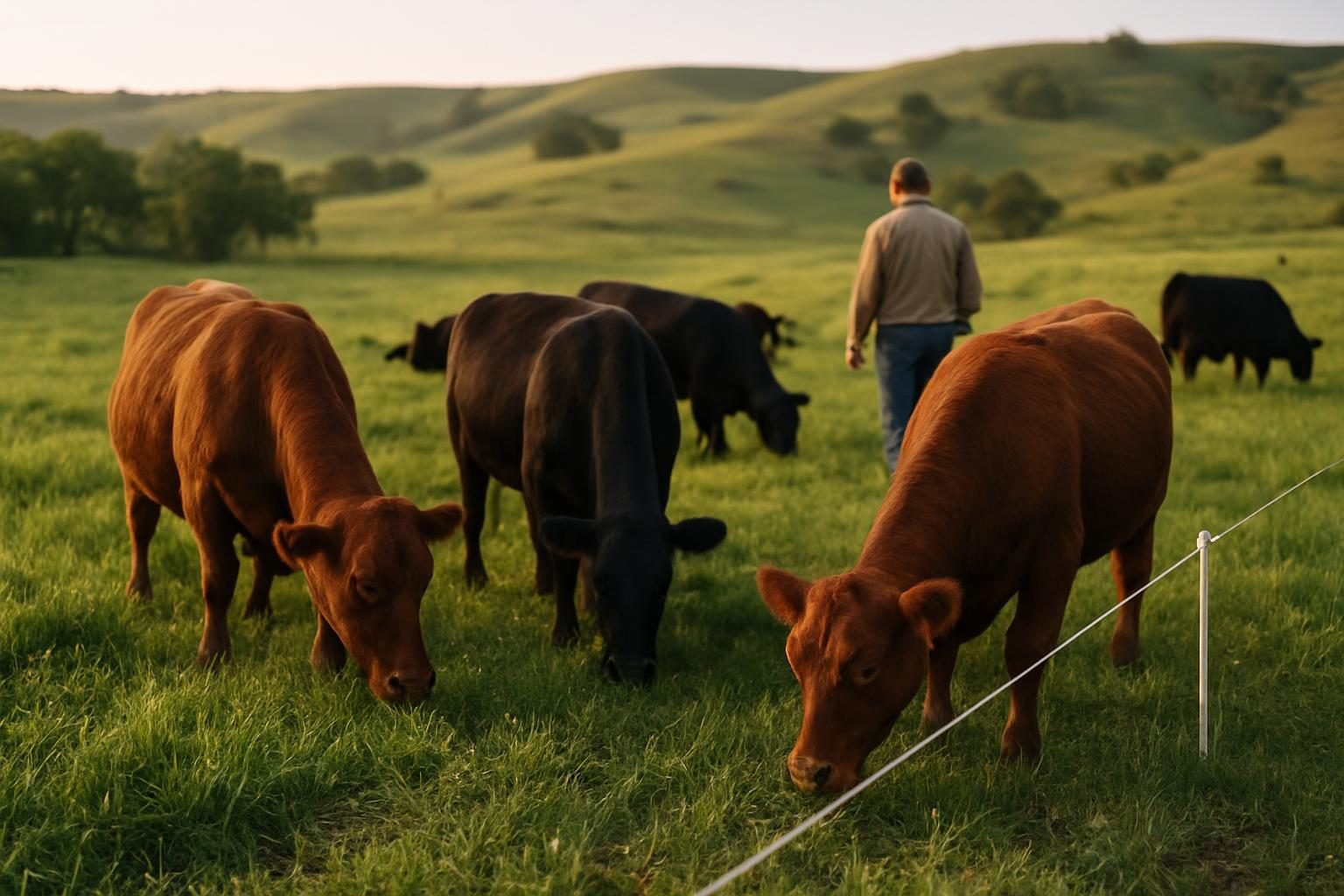
- Let customers see the farm. Pasture walks and open farm days build trust better than any ad. Show the grazing in action; our rotational grazing guide explains what customers are looking at.
- Use local channels. Community groups, local food directories, farm-direct listings, and word of mouth all work. If you also sell at markets, our upcoming piece on selling at farmers markets covers that path, though remember market sales generally require inspected product.
- Offer a sample. A small pack of ground beef or a few steaks lets skeptical buyers taste the difference, especially since grass-fed beef is leaner and tastes different from grain-finished.
Pair beef with other farm products where you can. Pastured chicken and eggs are natural add-ons for the same customers; see our guide to pastured poultry.
Take deposits and manage the calendar
Deposits protect you from no-shows and help fund processing costs. A common approach is a deposit (often a percentage of the estimated total) to reserve a share, with the balance due when the beef is ready or when you know the final weight. Put the terms in writing: what the deposit covers, whether it is refundable, what happens if an animal does not meet finish, and when the balance is due.
Be clear that final cost depends on actual hanging weight, which you will not know until after slaughter. A simple one-page agreement or order form saves confusion. Check your state’s rules on how you can describe and sell live-animal shares, and consider asking an attorney or your extension service to review your paperwork, since this guide is not legal advice.
Build a seasonal calendar: when shares open, when deposits are due, kill dates, pickup dates. Selling out one or two seasons ahead is a good sign, and a waiting list tells you how much to grow.
Handle freezer logistics so customers are ready
Many first-time buyers do not realize how much space a quarter or half takes. Help them prepare so the experience is good the first time.
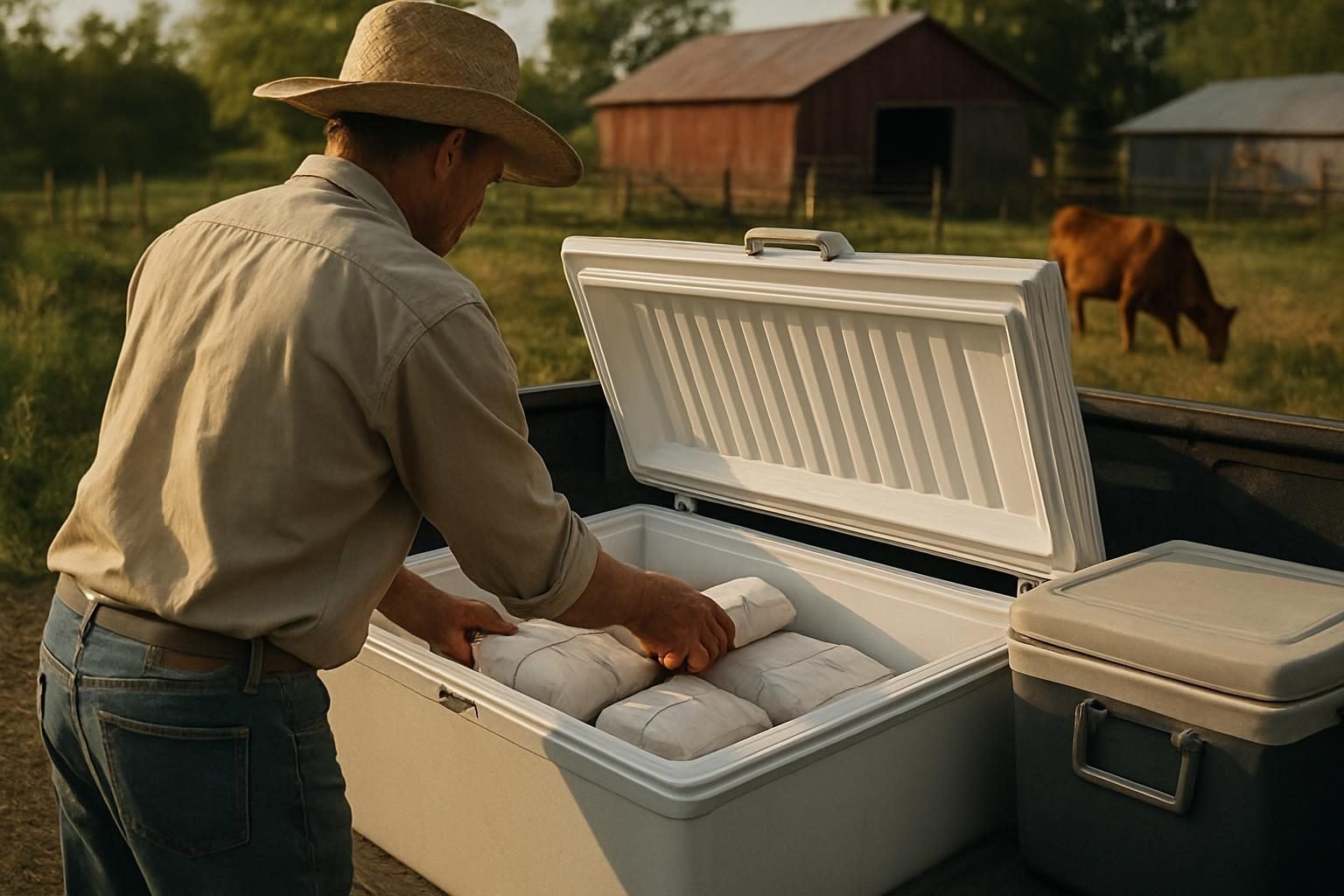
- Give a rough space guide. As a general rule of thumb, a quarter beef often needs several cubic feet of freezer space and a half needs roughly double. Ask your processor for realistic numbers.
- Explain the cut sheet. Walk customers through choosing steak thickness, roast sizes, ground beef packaging and whether they want organ meats, bones or soup bones.
- Coordinate pickup. Decide whether customers collect from the processor or from you. Specify a pickup window and what to bring (coolers, a vehicle with room).
- Offer smaller options. A sampler box or monthly bundle suits buyers without a chest freezer.
- Include a cooking and storage note. Grass-fed beef is leaner and often cooks faster. A short guide to cooking it prevents bad first impressions.
Turn first-time buyers into repeat customers
Repeat customers are the real prize. They cost almost nothing to acquire and often buy larger shares each year.
- Follow up after pickup. A quick message asking how the beef is and offering cooking tips shows you care.
- Keep the waiting list warm. Email updates with pasture photos, herd news and the date reservations open for next season.
- Offer returning-customer priority. Letting repeat buyers reserve first rewards loyalty and smooths your planning.
- Ask for referrals. Happy customers are your best marketing. A friendly ask at pickup works well.
- Stay consistent. Finish quality and honest communication matter more than any label. If an animal runs lean or late, tell people.
If you are still working out the bigger picture, a farm business plan can help you test how many animals you need to sell to cover costs, and programs like EQIP cost-share may help with fencing and water infrastructure that supports your grazing. Confirm current details with the program office. Your stocking rate also caps how many animals you can finish; see how many acres per cow before you promise more beef than your land can support.
You can find more guidance in our Farm Business & Funding section.
Key takeaways
- Bulk shares (whole, half, quarter) are the easiest way to start; retail cuts pay more per pound but require more work and usually inspected processing.
- Custom-exempt meat generally cannot be resold; inspected meat is needed for cuts, markets and stores. Verify your state’s rules.
- Price from your real cost per hanging pound, and explain take-home weight to customers.
- Book processing dates early; processor capacity is often your real limit.
- Use deposits and a written agreement to protect both sides.
- Repeat customers, built through follow-up and waiting lists, are the core of a durable direct-sales business.
Frequently asked questions
Do I need USDA inspection to sell grass-fed beef direct?
It depends on how you sell. If customers buy a live animal or share before slaughter and own it, custom-exempt processing is generally allowed, but the meat cannot be resold. If you want to sell individual cuts or sell at markets or to stores, you generally need inspected processing. Rules vary by state, so confirm with your state department of agriculture and USDA.
How much should I charge for a quarter, half or whole beef?
There is no universal price. Start with your total cost per animal, divide by hanging weight, add a margin, and compare with local grass-fed producers. Be clear about what the price includes: the animal itself, processing fees, or both.
What is the difference between hanging weight and take-home weight?
Hanging weight is the carcass weight after slaughter, before cutting. Take-home weight is the packaged meat after bones, trim and moisture loss, and it is typically well under the hanging weight. Telling customers this upfront prevents surprises.
How do I find customers for grass-fed beef?
Start with people who already know you, then build an email list, host farm visits, and use local community channels. Samples help skeptical buyers, and referrals from happy customers often become your best source of new business.
How big a deposit should I ask for?
Many farms take a deposit that covers a meaningful share of the expected cost, with the balance due at pickup or once final weight is known. Whatever you choose, put the deposit terms, refund policy and final-weight pricing in writing, and consider having a local attorney or your extension office review your paperwork.