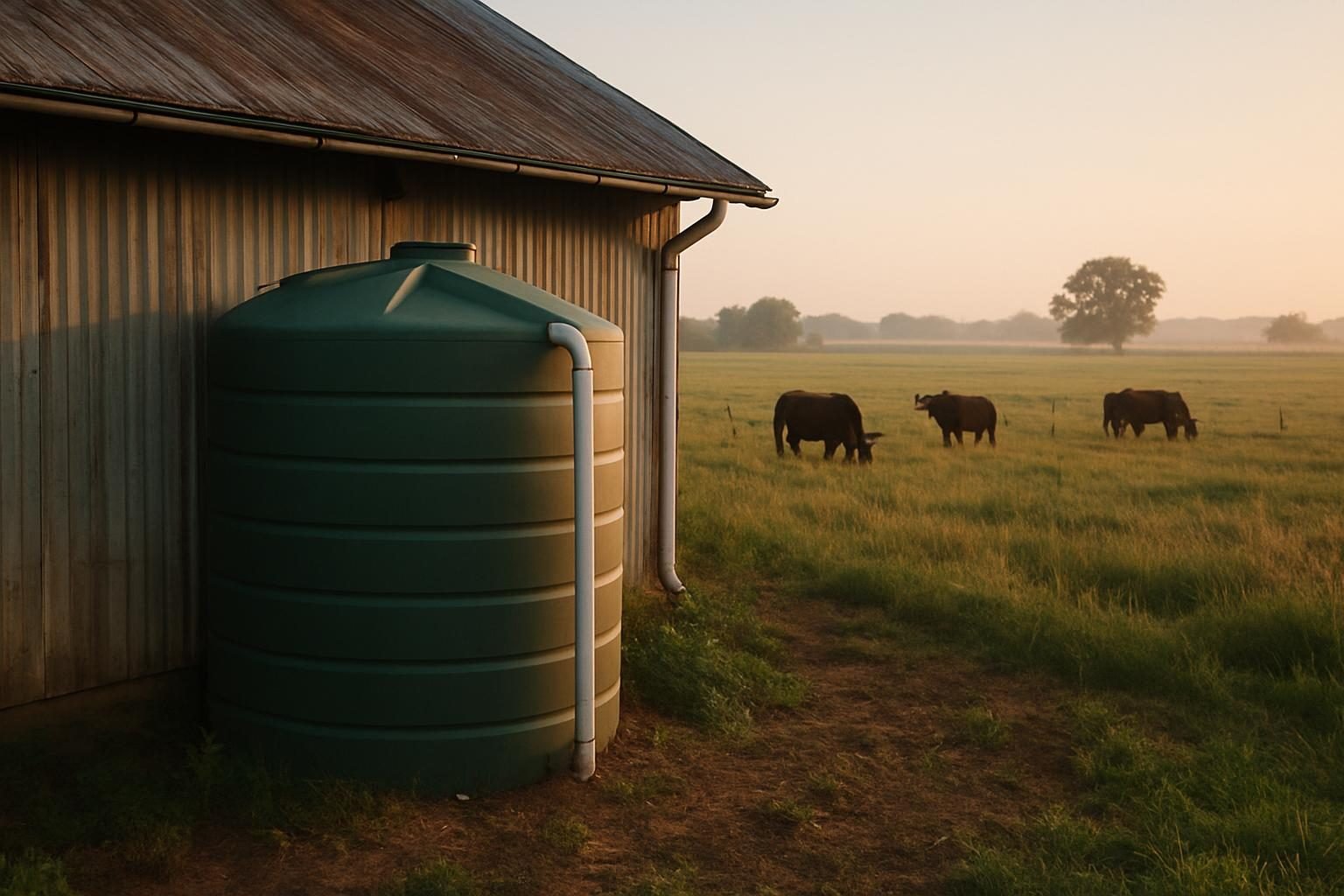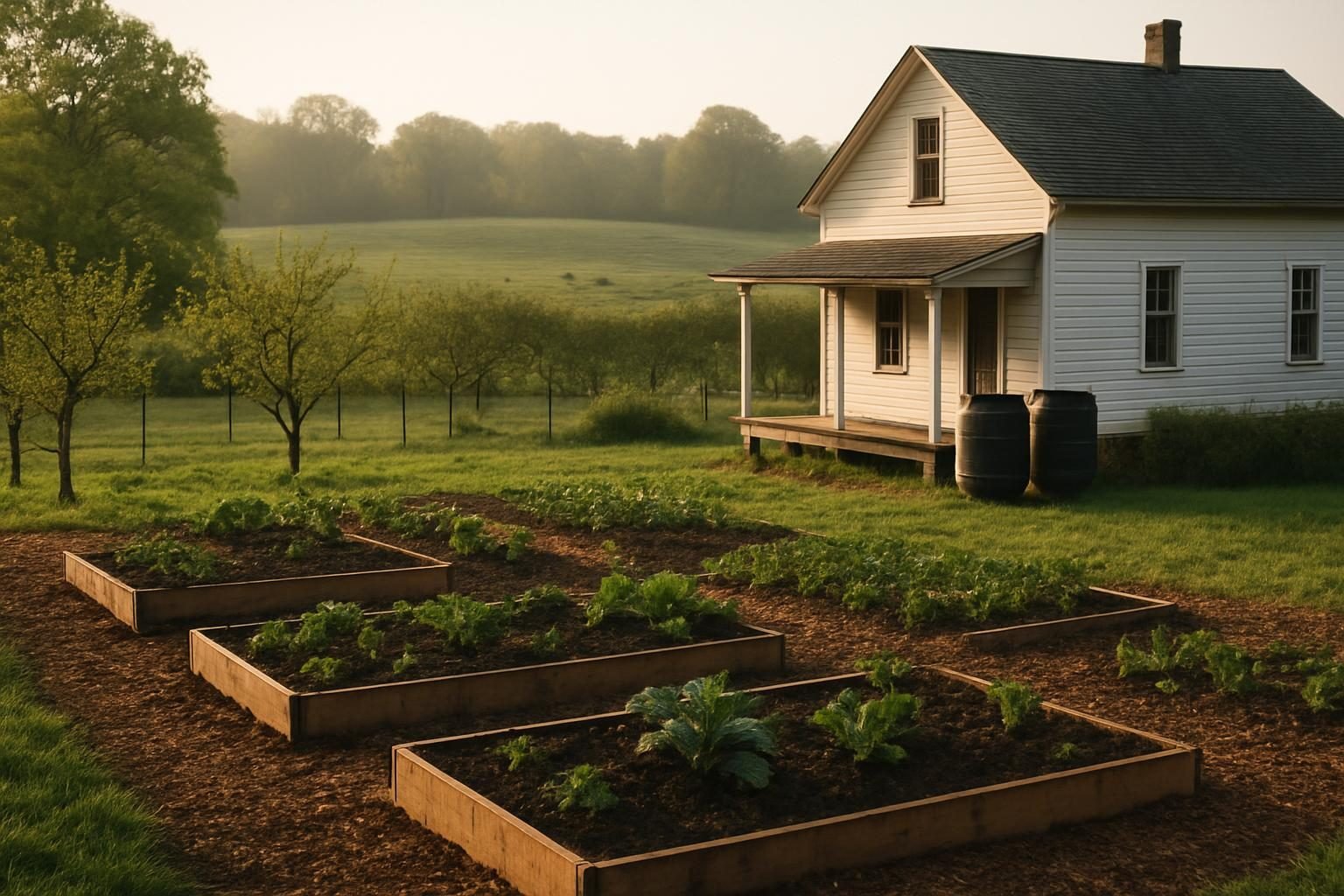
Regenerative agriculture is easy to define and surprisingly hard to picture. This guide walks through five archetypal farms, built as composite scenarios rather than named operations, so you can see how the principles look in practice, what results are realistic, and where the friction lives.
Quick answer: Regenerative agriculture examples include a grain farm that adds cover crops and grazing cattle, an adaptive multi-paddock (AMP) ranch, a no-till market garden, a silvopasture farm that combines trees and livestock, and an urban farm building soil from compost. They share the same core moves: keep soil covered, disturb it less, grow diverse plants, keep living roots in the ground, and integrate animals where possible. Results usually build over years, not seasons.
If you want the foundations first, start with our hub guide, What Is Regenerative Agriculture? Principles and How to Start. For the browsing view of everything in this category, see the Regenerative Agriculture 101 section.
A note on these examples
Every scenario below is a composite. It blends practices and outcomes commonly reported by extension services, SARE-funded projects, NRCS conservation planning and peer-reviewed research, but it does not describe any specific farm. Numbers are typical ranges or rough estimates. Your soil, rainfall, markets and equipment will change the picture, so treat these as patterns to learn from, not promises.
Example 1: The grain farm with cover crops and cattle
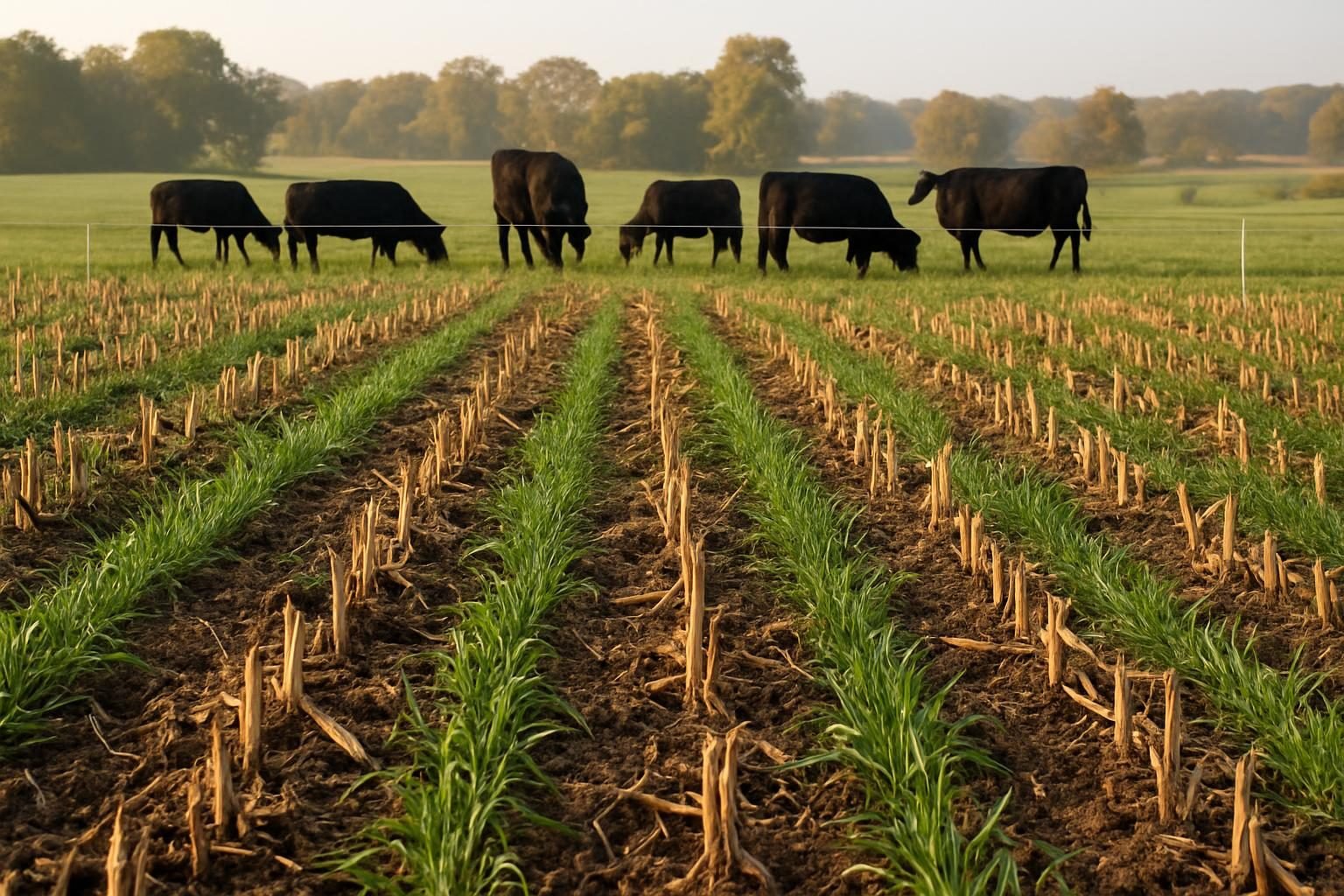
Picture a 1,200-acre corn-soybean operation in the Corn Belt. The owner has farmed it conventionally for decades, with full tillage and bare winter ground. Over several years the farm shifts toward a more diverse, covered system.
Practices
- No-till or strip-till on most acres, so residue stays on the surface. See our guide to no-till farming: pros, cons and how to make the switch.
- Cover crops seeded after harvest or aerially into standing crops, often a cereal rye or a multi-species blend. Mix ideas are in best cover crop mixes for soil health, grazing and weeds.
- Grazing cattle on cover crops in fall or spring, either owned or leased from a neighbor, with temporary electric fence.
- A small grain in the rotation such as wheat or oats to break pest cycles and spread workload.
Typical results
- Reduced erosion and less runoff after heavy rain, often visible within the first one to three years.
- Gradual gains in soil organic matter, usually measured in tenths of a percent over many years, not quick jumps.
- Some reduction in synthetic fertilizer and herbicide needs once the system matures, though this varies widely.
- Extra income from grazing fees or the farm’s own cattle.
Challenges
Cover crop seed and management add cost, and a yield dip in the first years is common, especially when cereal rye is terminated late before corn. Fencing and water for grazing take planning, and a short growing window in northern states limits fall establishment. Many farmers start on 5 to 10 percent of acres and scale up as they learn.
Example 2: The AMP ranch
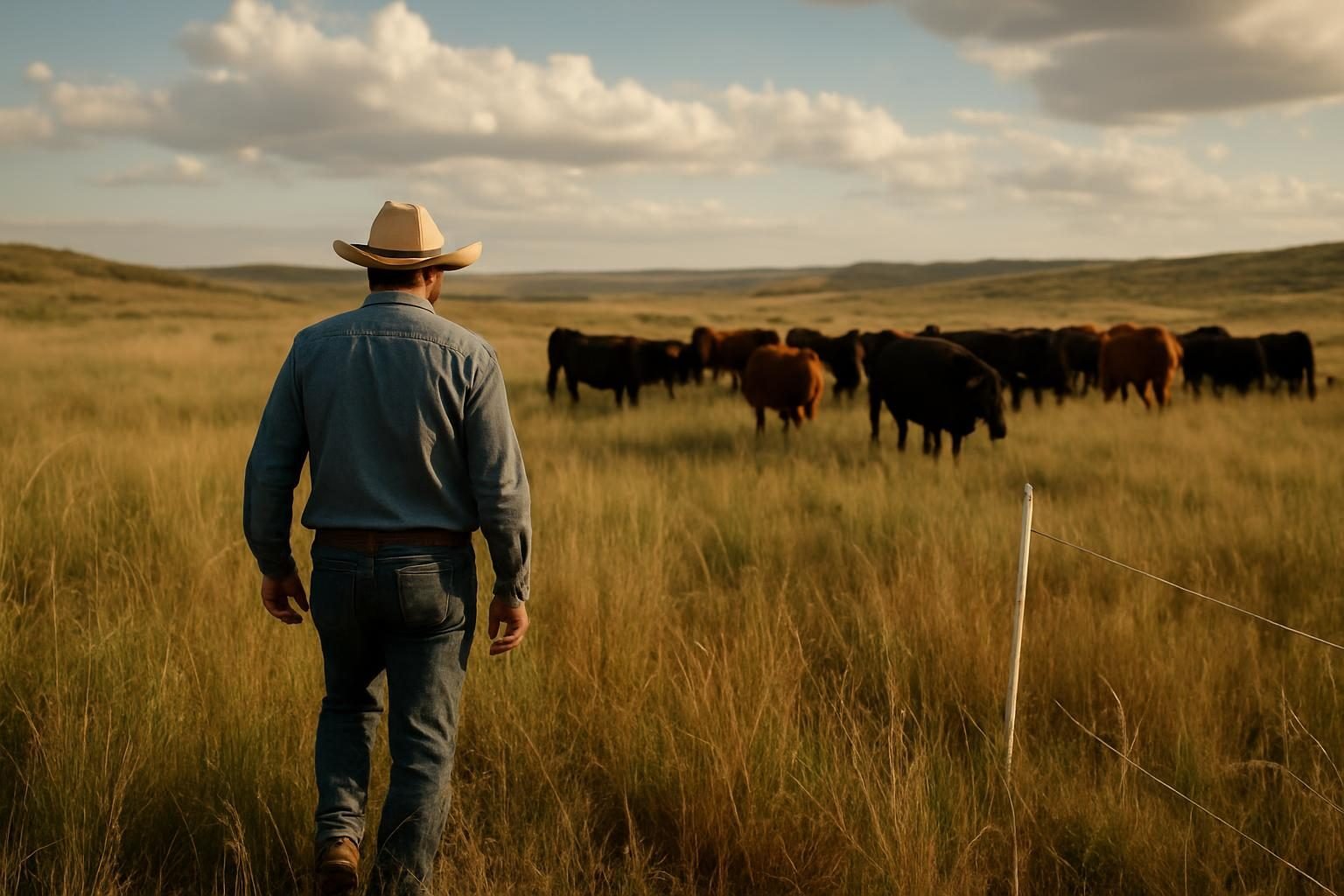
Now picture a 3,000-acre cow-calf operation on mixed-grass rangeland in the semi-arid West or Plains. The rancher used to run one or two big pastures with continuous grazing. Adaptive multi-paddock (AMP) grazing changes that.
Practices
- Dividing the ranch into many smaller paddocks with permanent or temporary fence.
- Moving the herd frequently, with long recovery periods for plants, set by growth rate and season rather than a calendar.
- Planning forage supply against animal demand, with a drought plan decided before it is needed.
- Monitoring plant cover, litter, species and bare ground over time.
The complete method is covered in our complete guide to rotational and adaptive grazing. Some ranchers push density higher; see mob grazing explained for when that makes sense.
Typical results
- Better plant recovery, more ground cover and less bare soil.
- Improved drought resilience in many cases, because rested plants have deeper roots and more litter holds moisture.
- Stocking rate often holds steady or improves modestly over several years. See how many acres per cow for how to think about carrying capacity.
- Value-added options, such as selling beef directly. Our guide to selling grass-fed beef direct to customers walks through that path.
Challenges
Fence, water lines and labor are the main costs. Moving cattle daily or weekly takes time, and a severe drought can overwhelm even a well-run plan. Research on adaptive grazing is mixed in some regions and rangeland types, so measure on your own ground rather than assuming a result.
Example 3: The no-dig market garden
Think of a one-acre vegetable operation in the humid East selling at farmers markets and through a CSA. The grower works intensively, with permanent beds and little tillage.
Practices
- Permanent beds built with compost mulch rather than tillage, as described in our no-dig gardening guide.
- Cover crops between plantings, with tarping or crimping for termination.
- Diverse crop rotation across plant families to manage pests and disease.
- Compost and minimal off-farm inputs, with soil tests guiding amendments.
Typical results
- Fewer weeds over time as the seedbank declines and mulch suppresses new growth.
- Better water infiltration and bed structure within a few seasons.
- Strong income per square foot when crops are chosen well. See most profitable crops for small farms and market gardens.
Challenges
Compost is the big cost and logistics issue, since sourcing and hauling can eat margins. Slugs and voles can thrive under heavy mulch, and the first year of bed building is labor intensive. Quality of purchased compost matters, so ask about herbicide residues and test if unsure.
Example 4: The silvopasture farm
Imagine a 120-acre farm in the humid South or Mid-Atlantic that combines trees, forage and livestock on the same ground, such as sheep or cattle grazing under widely spaced pine, walnut or oak.
Practices
- Thinning an existing woodlot or planting trees in rows with wide alleys for pasture.
- Rotational grazing through the tree-pasture system, with protection for young trees.
- Mixed species in the pasture, with shade-tolerant grasses and legumes.
- Windbreaks and shelterbelts at field edges. See windbreaks: farm shelterbelt design, species and benefits.
Typical results
- Shade and shelter for animals, which can reduce heat stress in hot climates.
- Diversified income from timber, nuts or fruit alongside livestock, though tree income takes years.
- Habitat and carbon storage benefits above and below ground. For a realistic view of what farms can and cannot do for the climate, see our upcoming piece on regenerative agriculture and climate change.
Challenges
Establishment costs are real, and trees need protection from browsing for years. Forage production can drop under dense shade, so spacing decisions matter. Payback is slow, so many farmers pair it with faster enterprises. Livestock and tree systems can also tangle with land-use or cost-share rules, so check with your local NRCS office or state forestry agency.
Example 5: The urban farm
Finally, picture a half-acre farm on a former vacant lot in a mid-sized city, growing greens, herbs and cut flowers for restaurants and a neighborhood stand.
Practices
- Raised beds on top of imported soil or compost, with a barrier and soil testing where past contamination is possible.
- Heavy compost use, sourced from local food scraps and yard waste.
- Tight succession planting and season extension with low tunnels.
- Pollinator strips, rain capture and a few perennial plantings.
Our urban farming guide covers sites, zoning and markets in detail. Some urban growers also plant edible perennial layers; see how to plant a food forest.
Typical results
- Rapid soil improvement in raised beds, since you are building the soil rather than inheriting it.
- High value per square foot, plus community and educational benefits.
- Reduced stormwater runoff and more habitat in a paved landscape.
Challenges
Land tenure is the biggest risk, since many urban farms lease short-term. Soil contamination testing is essential before growing food. Zoning, water access and theft or vandalism add friction, and scale is limited, so income depends on premium markets.
Side-by-side comparison
| Example | Core practices | Biggest upfront cost | Typical timeline to see change |
|---|---|---|---|
| Grain farm + cattle | No-till, cover crops, grazing | Seed, drill or planter changes, fence | Erosion and structure: 1-3 years; organic matter: many years |
| AMP ranch | Many paddocks, planned moves, monitoring | Fence and water | Ground cover: 1-3 years; plant community shifts: 5+ years |
| No-dig market garden | Compost mulch, permanent beds, rotation | Compost and bed building | Weed and bed structure: 1-3 seasons |
| Silvopasture | Trees plus rotational grazing | Trees, protection, fence | Animal comfort: 1-2 years; tree income: 10+ years |
| Urban farm | Raised beds, compost, succession planting | Soil, compost, water access | Productivity: first season |
What these examples have in common
Strip away the differences in scale and climate and the same ideas show up each time. These map onto what are often called the soil health principles: keep soil covered, minimize disturbance, maximize diversity, keep living roots, and integrate livestock. Not every farm can do all five, and that is fine. Pick the ones that fit your land and budget.
Notice also that none of these farms is the same as a certified organic one. Practices overlap, but the two are different frameworks. We unpack that in regenerative vs organic farming, and the label landscape in Regenerative Organic Certified vs other labels. If you are curious how this approach relates to design-based systems, our upcoming guide on permaculture vs regenerative agriculture will help.
How to use these examples on your own farm
- Find the closest match. Choose the example nearest to your operation and region, then note what you would change for your rainfall, soil and market.
- Pick one or two practices. Start small, such as covers on a few fields or a handful of new paddocks.
- Set a baseline. Take photos, run a soil test and note infiltration, cover and yields before you change anything.
- Track costs and results. Write down inputs, labor and income so you can judge what pays.
- Scale what works. Expand after a season or two of honest observation.
For a structured path, see our 3-year plan to transition to regenerative agriculture. For realistic expectations on soil gains, read how to increase soil organic matter and how long it takes, and for the wider evidence base, benefits of regenerative agriculture: what the evidence shows. Honest critiques are worth reading too, so watch for our coming article on regenerative agriculture criticism.
On the money side, regenerative farming business: funding, certification and sales covers markets and margins, and farm grants for beginning farmers is a good start for funding. Program details change, so confirm current eligibility and amounts with the agency or program directly.
Key takeaways
- Regenerative farms look different by region and scale, but they share a few core principles.
- Start with one or two practices and measure results before scaling up.
- Expect trade-offs: upfront costs, learning curves and slower returns for tree and soil carbon work.
- Soil organic matter and ecological shifts take years; erosion and cover benefits can show up sooner.
- Check current program details with USDA NRCS, your extension office or the certifier before you rely on funding or labels.
Frequently asked questions
What is the simplest example of regenerative agriculture?
Planting a cover crop after harvest so soil is never bare is one of the simplest starting points. Add reduced tillage and you have two core practices working together, and you can build from there.
Do regenerative farms have to include livestock?
No. Many successful regenerative operations, such as no-till vegetable farms and urban growers, have no animals. Livestock can speed nutrient cycling and diversify income, but they are an option, not a requirement.
Is regenerative agriculture profitable?
It can be, but results vary by farm, market and management. Savings often come from lower inputs and new income streams, while costs include fence, seed, compost and learning time. Track your own numbers and consult an ag lender or extension farm business specialist.
How long before I see results?
Some changes, like reduced erosion, better ground cover and fewer weeds, can appear within one to three years. Measurable gains in soil organic matter and shifts in plant communities typically take many years and depend on climate and soil type.
Can a small homestead or backyard be regenerative?
Yes. Practices like composting, mulching, no-dig beds, planting perennials and keeping soil covered work at any scale. The principles are the same; only the tools and the economics change.