Chick days are the spring weeks when feed stores fill stock tanks with peeping chicks, and for many first-time keepers they are the easiest way to start a flock. They are also not the only way, and not always the best. This guide compares chick days with hatchery orders so you can pick the route that fits your flock, your climate and your calendar.
Quick answer: Feed-store chick days are best for small flocks (a handful of birds), no minimum order and no shipping stress, but breed choice is limited and the chicks are often straight-run or sexed without much documentation. Hatcheries offer far more breeds, sexed pullets, vaccination options and often a 15 to 25 chick minimum, with shipping in early spring through summer. Whichever you choose, have the brooder running and tested 24 to 48 hours before the chicks arrive.
What chick days actually are
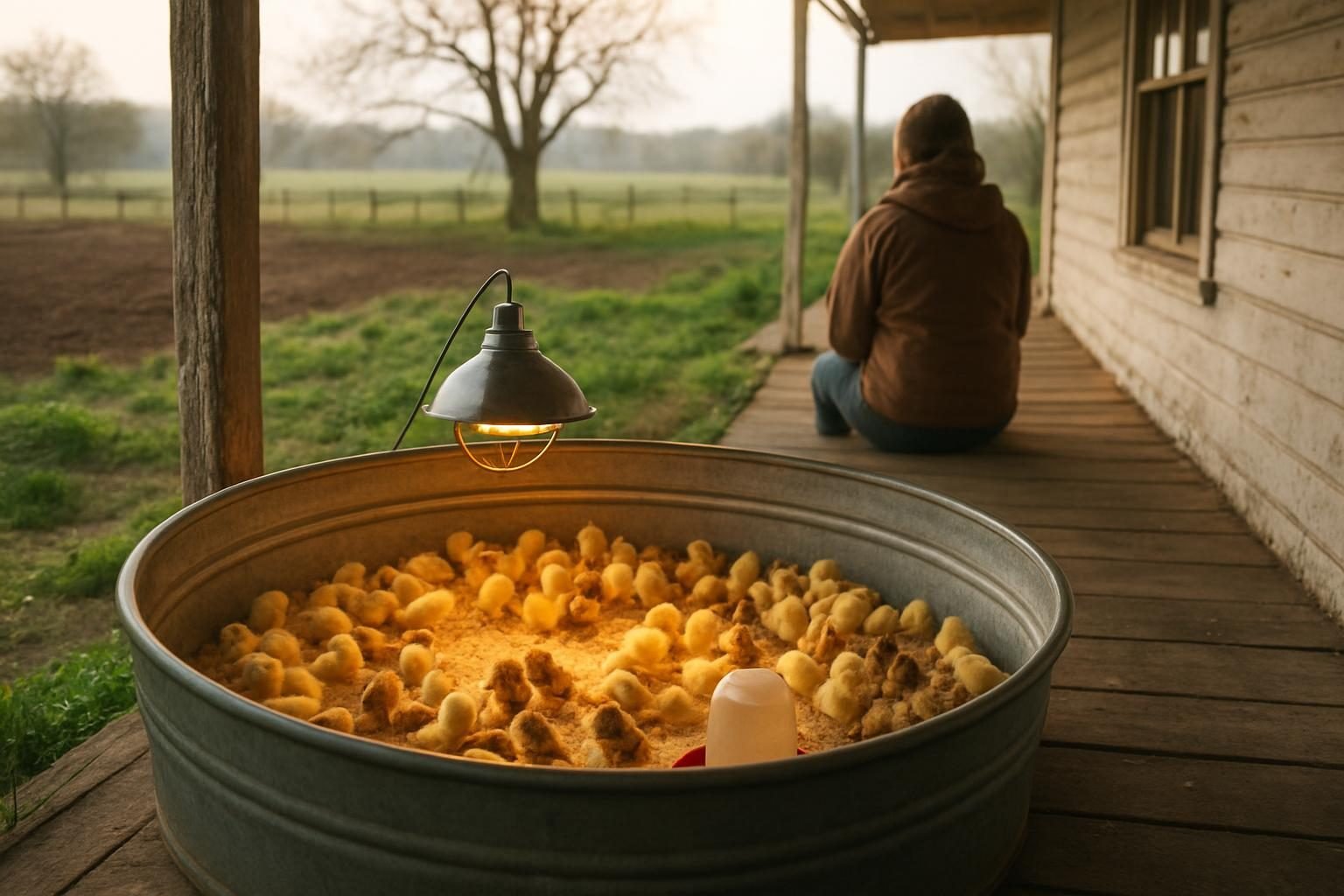
Chick days are a seasonal promotion run by farm and feed stores, usually from late winter through spring. The store orders chicks from a hatchery in batches, holds them in heated tanks and sells them by the bird, often with a small minimum of two to six. Some stores run the program on a fixed weekly schedule; others post delivery dates for specific breeds.
The appeal is obvious. You see the birds before you buy, you can walk out with three chicks instead of twenty-five, and there is no mailbox anxiety. The trade-off is that you are buying from whatever the store ordered, and the staff may or may not know much about breeds, sexing or vaccination status.
Feed store vs. hatchery: how they compare
| Factor | Feed-store chick days | Mail-order hatchery |
|---|---|---|
| Minimum order | Often 2 to 6 chicks | Commonly 15 to 25 (smaller minimums exist, sometimes with a surcharge) |
| Breed selection | Limited, often 6 to 15 breeds | Dozens, including rare and heritage breeds |
| Sexing options | Usually pullets or straight-run, sometimes mislabeled | Pullets, cockerels or straight-run, with guarantees that vary by hatchery |
| Vaccination | Often unknown; ask staff | Marek’s vaccine commonly offered as an add-on |
| Shipping stress | None for you; the store absorbed it | Chicks ship within a day of hatching, usually arriving in 1 to 3 days |
| Cost per chick | Can be lower or higher; varies by store and breed | Varies; shipping and small-order fees add up |
| Best for | Small backyard flocks, impulse starts, first-timers | Larger flocks, specific breeds, pastured poultry plans |
Prices shift with season and breed, so check current numbers with the store or hatchery rather than trusting any rule of thumb.
Sexed vs. straight-run: what you are really buying
A straight-run (also called “as hatched”) box contains whatever came out of the eggs, roughly half males. It is the cheapest option per chick, and it makes sense if you plan to raise cockerels for meat or want a rooster. A sexed pullet order is mostly females, and hatcheries typically claim around 90 to 95 percent accuracy, though the guarantee terms differ. A sexed cockerel order is the reverse and is popular with meat producers.
Sexing is not infallible, especially in breeds that cannot be sexed by feather. If your local ordinance bans roosters, treat “pullet” as a best effort rather than a promise, and have a plan for the occasional surprise. If you are weighing whether to skip chicks altogether, our upcoming guide on buying pullets versus chicks covers the cost and timing trade-offs. For a deeper look at whether a rooster belongs in your flock at all, see the planned piece on whether you need a rooster.
Vaccination: ask before you buy
Marek’s disease is a herpesvirus that is common in poultry, and the vaccine is generally given at the hatchery on day one. Many hatcheries offer it as an add-on; feed-store chicks may or may not have received it, depending on the source. Other vaccines, such as coccidiosis or Newcastle, are sometimes available too, and options differ by hatchery.
Questions worth asking before you commit:
- Was this batch vaccinated for Marek’s, and can you show it on the paperwork?
- Which hatchery supplied the chicks, and are they part of the USDA-run National Poultry Improvement Plan (NPIP)?
- Is the chick feed medicated, and for what?
- What is the guarantee on sexing and on arrival mortality?
If you are unsure what a vaccine does or whether your region needs it, your state extension poultry specialist or a local veterinarian is the right call.
Timing for spring: when to order
The “right” week depends on where you farm. Chicks need a brooder at about 95 degrees Fahrenheit the first week, and they should be fully feathered and acclimated before they head to the coop. A rough guide:
- South and Gulf Coast: Late winter to early spring works well; avoid hatching into peak summer heat.
- Humid East and Mid-Atlantic: March through May is typical, with outdoor transition in late spring.
- Corn Belt and Upper Midwest: April through May, with attention to overnight lows when the chicks go outside.
- Arid West and Mountain states: Watch for late frosts and big day-night swings; plan extra brooder time.
Popular breeds sell out of hatchery schedules early, sometimes in winter, so reserve ahead if you want a specific breed in a specific week. Feed-store chick days follow the store’s calendar; ask when deliveries arrive and call ahead on pickup day.
Pre-arrival checklist
Chicks are easiest when everything is ready before they show up. Run through this list at least two days ahead:
- Set up and test the brooder. Run the heat source for 24 to 48 hours and check the temperature at chick level. Our guide to brooding baby chicks covers brooder size, heat and the first six weeks.
- Lay down bedding. Pine shavings or similar, with traction for the first few days (paper towels over shavings help new chicks avoid slipping).
- Install feeders and waterers. Shallow waterers with marbles or pebbles prevent drowning; keep them clean.
- Buy starter feed. Check the label for the right protein and for whether it is medicated. For the full picture on starter, grower and layer rations, see the upcoming chicken feed guide.
- Confirm the delivery window. For hatchery orders, tell your post office you are expecting live birds and give them your phone number.
- Plan the next stage. A coop and run need to be ready by the time chicks outgrow the brooder, often at 6 to 8 weeks. Our chicken coop buyer’s guide and the page on chicken pens and runs will help you size and secure the space.
- Pick your breeds with intent. If you plan to forage, check our list of best chicken breeds for pasture before you order.
Picking up or receiving chicks
At the feed store, look for active, alert chicks with clean vents and bright eyes. Avoid tanks with a lot of lethargic or pasted-up birds. Get them home quickly; a cardboard box with air holes and a warm car beat a hot trunk. Once home, you’ll want to have quality poultry feed ready for their arrival.
For a mail-order box, open it immediately and dip each beak into the water so they find it. Count the birds, check for any that look weak, and photograph losses so you can file a claim with the hatchery if their policy allows. Some mortality in shipped chicks is a known risk; many hatcheries include a few extra to cover it.
Planning beyond the brooder
If you are raising birds on grass, think through the whole system before the chicks arrive. Movable pens help match stocking density to pasture recovery, as described in our guides to chicken tractors and pastured poultry. Larger layer flocks may eventually want a chicken wagon or similar mobile coop, and good fencing matters more than most beginners expect; the planned article on poultry wire options will compare netting, chicken wire and hardware cloth.
Chicks are also a small business decision. If you are scaling beyond a backyard flock, cost out feed, housing and your time, and if you need financing, the upcoming ag loans explainer is a good starting point. For the broader livestock picture, browse the Grazing & Livestock section, and if you are working a small acreage, our guide to small-scale regenerative farming shows where poultry fits.
Key takeaways
- Chick days suit small flocks and first-timers; hatcheries suit specific breeds and larger orders.
- Hatchery minimums often run 15 to 25 chicks; feed stores usually let you buy two to six.
- Straight-run is cheapest but gives you roosters; sexed pullets are mostly, not perfectly, female.
- Ask about Marek’s vaccination, hatchery source and sexing guarantees before you pay.
- Time your order to your region, and have the brooder tested 24 to 48 hours ahead.
- Plan the coop, run and feed before the chicks arrive, not after.
Frequently asked questions
When do feed stores start chick days?
Most start in late winter or early spring and run into early summer, but the schedule is set by each store and its hatchery supplier. Call your local store for exact delivery dates and ask whether you can reserve birds ahead of time.
Is it cheaper to buy chicks at a feed store or from a hatchery?
It depends. Feed-store chicks can have a low per-bird price, but breed choice is narrow. Hatcheries may charge less per chick on larger orders but add shipping and small-order fees. Compare the total cost for the breeds and quantity you actually want.
Do I need to vaccinate chicks for Marek’s disease?
Marek’s is common, and the vaccine is usually given at the hatchery on day one, so you cannot easily add it later. Whether it is worth it depends on your flock size, whether you will mix ages and your risk tolerance. Ask your extension office or a vet if you are unsure.
Can I order just a few chicks from a hatchery?
Some hatcheries allow small orders, but many have minimums to keep chicks warm in transit, and small orders may cost more per bird. If you only want a few, chick days or splitting an order with neighbors is often easier.
How early should I set up the brooder?
Set it up and run the heat source at least a day or two before the chicks arrive, so you can confirm temperatures and fix problems without birds in the box. Details on heat, bedding and space are in our brooding guide.