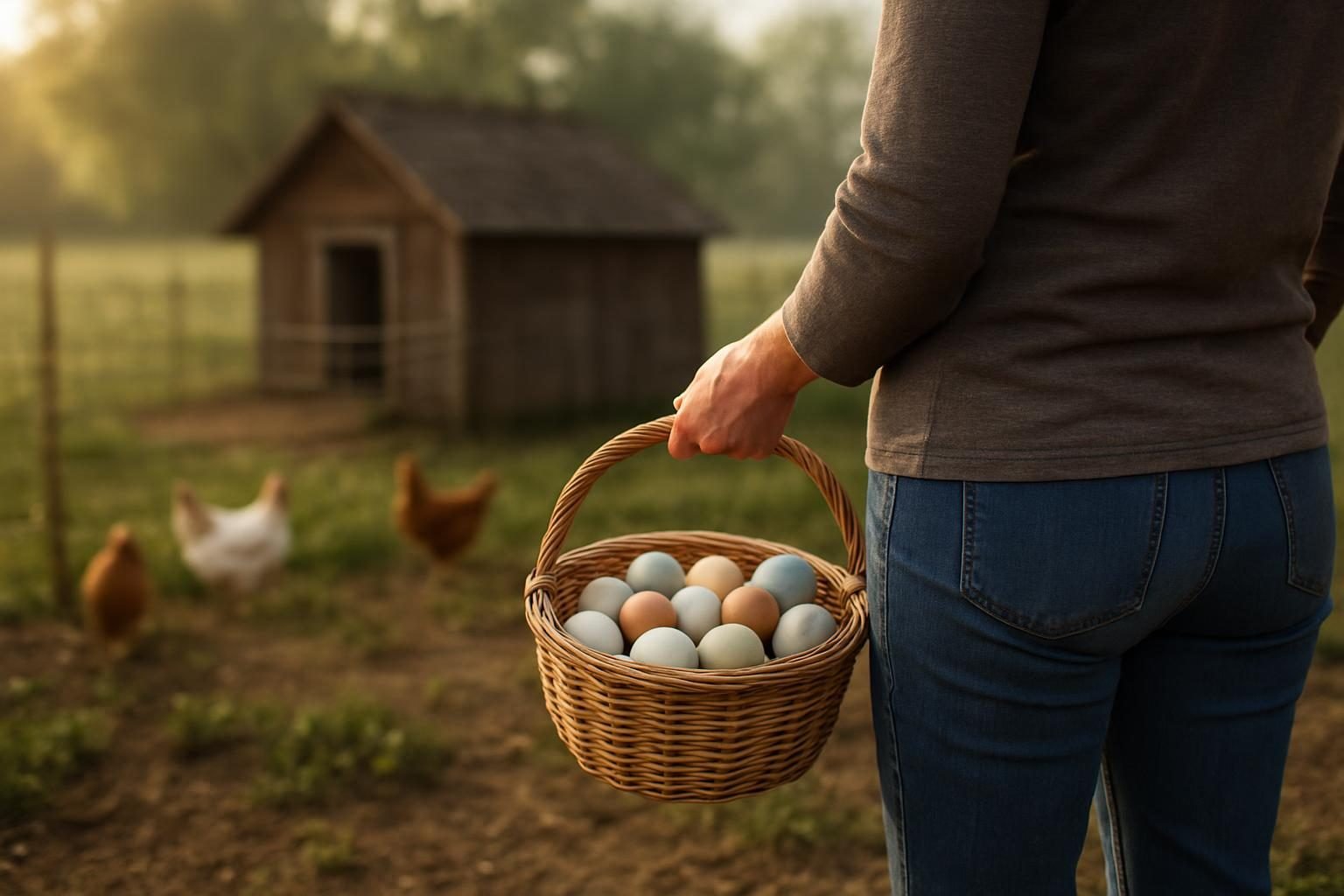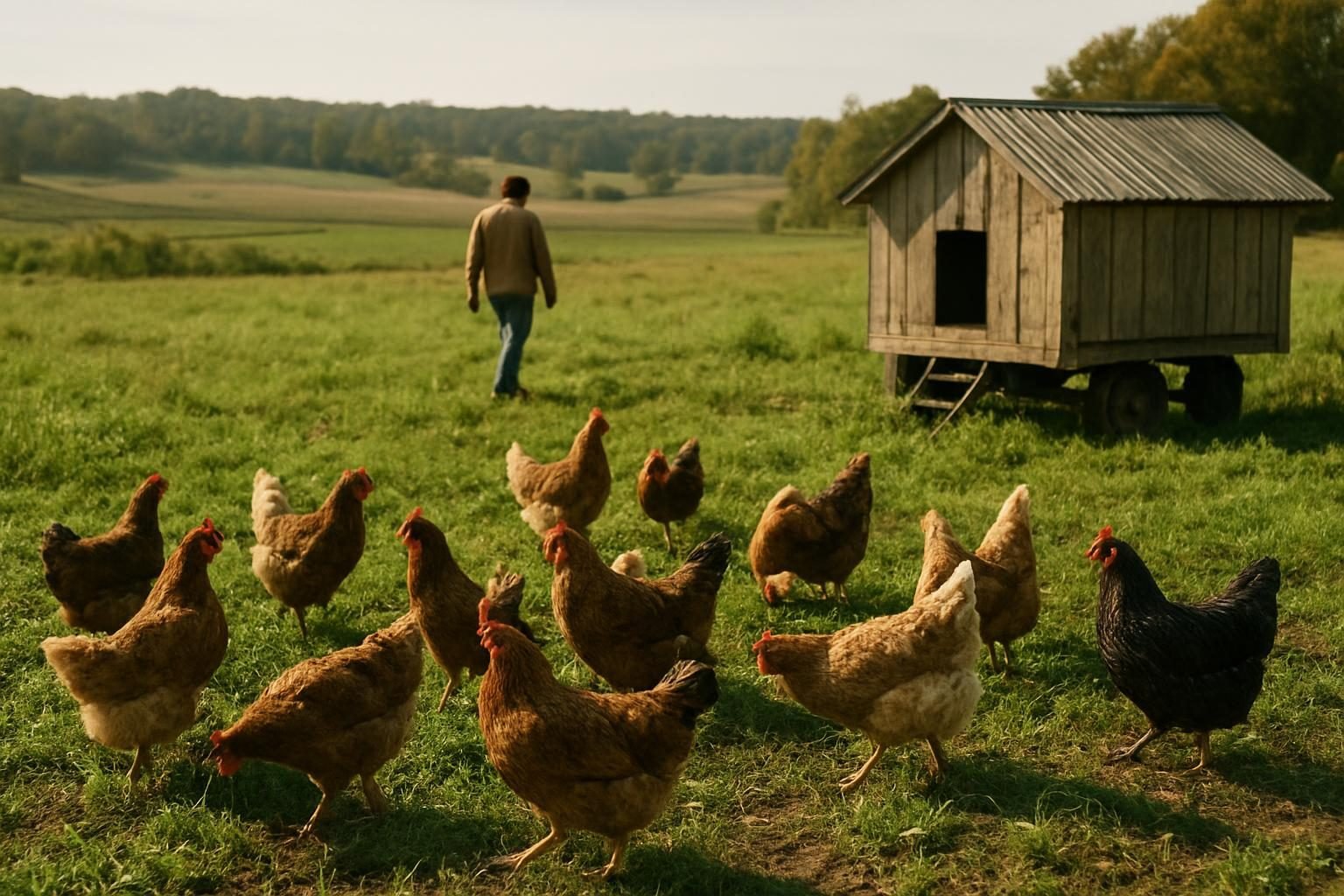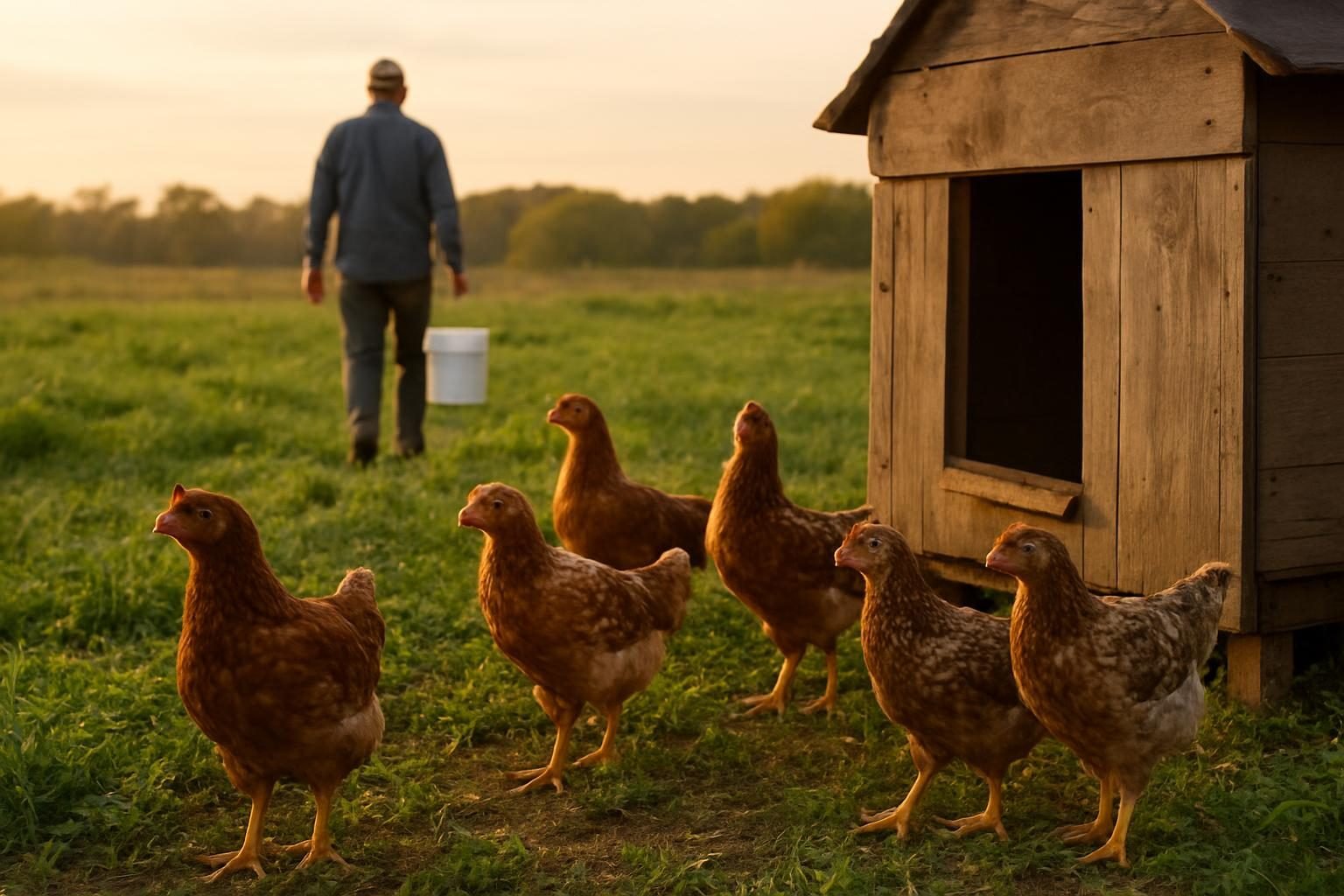
Buying pullets is the fastest way to get eggs, but it is not always the cheapest or the safest way to start a flock. Day-old chicks and hatching eggs cost far less per bird and give you more control over health and temperament, but they ask for weeks of brooding and months of waiting. Here is how the three options compare, and how to buy and introduce birds without bringing trouble home.
Quick answer: Buy started pullets (typically 16 to 20 weeks old) if you want eggs within a few weeks and have no brooder. Buy day-old chicks if you want the lowest cost per bird, more breed choice and a flock raised on your own ground. Hatching eggs are cheapest and most educational, but carry the most risk and effort. Whatever you choose, quarantine any new birds for 3 to 4 weeks before mixing.
Pullets, chicks and hatching eggs: what you are actually buying
A pullet is a young female chicken that has not yet started laying, usually sold between 12 and 20 weeks. A “started pullet” is on the older end of that range and close to laying. Day-old chicks are just that: hatched within the last 24 to 72 hours and shipped or picked up from a hatchery or feed store. Hatching eggs are fertilized eggs you incubate yourself for about 21 days.
Each one moves the work and the risk to a different place. Pullets put the work on the seller and the risk on you, because you are trusting their husbandry. Chicks and eggs put the work on you but let you control the early weeks, which matters for health and for how tame the birds become.
Cost, time to eggs, risk and effort compared
Prices swing by region, breed and season, so treat the numbers below as typical ranges and check local sellers. What stays consistent is the pattern: the earlier you start, the less you pay up front and the more you pay in time.
| Factor | Hatching eggs | Day-old chicks | Started pullets |
|---|---|---|---|
| Typical upfront cost per bird | Lowest (a few dollars per egg, plus incubator) | Low (a few dollars each, more for rare breeds) | Highest (often several times the cost of a chick) |
| Time to first eggs | About 6 to 8 months | About 5 to 7 months | A few weeks to 2 months |
| Equipment needed | Incubator, turner, brooder | Brooder, heat, starter feed | Quarantine pen, then coop |
| Hatch or survival risk | High (hatch rates vary widely) | Moderate (early losses happen) | Low once past brooding |
| Disease-introduction risk | Low to moderate | Low from a reputable hatchery | Highest, since birds come from other flocks |
| Sex certainty | None (about half are cockerels) | Usually sexed, but error rates exist | Effectively certain |
| Effort | Highest | High for 6 to 8 weeks | Lowest |
The real cost of a chick is not the purchase price. Add feed for five to six months before the first egg—including quality poultry feed—bedding, heat and your time, and the gap between chicks and pullets narrows. If you only want a handful of layers, a pullet can pencil out about even once you count a lost season of laying and the cost of a brooder you would otherwise build and use once.
When started pullets make sense
Pullets are the right call when you want eggs soon, lack a warm, draft-free space for a brooder, or are replacing a few hens after a predator loss. They also suit rentals and small urban lots where brooding and a rooster-sorting problem are unwelcome. You skip the fragile first weeks, and you know you are getting hens. For small spaces, mobile chicken coops can be an excellent housing option.
The trade-off is that you inherit someone else’s management. A pullet raised crowded, underfed or alongside sick birds can look fine at the sale and fall ill a week later. The checklist below is how you reduce that gamble.
When chicks are the better deal
Chicks win on price, breed selection and control. You can choose breeds suited to your climate and to foraging, and you can raise them on the same ground, feed and routines they will live with as adults. If you plan to run birds on pasture, start with the right genetics; our guide to the best chicken breeds for pasture covers which ones forage well and still lay.
Ordering takes planning, since hatcheries sell out of popular breeds in spring. See chick days: when to order, what to ask and how to prepare for timing and questions to put to a seller. Once they arrive, the first six weeks decide a lot, and brooding baby chicks walks through heat, setup and what to watch. Budget for a proper chicken feed program too: starter, then grower, then layer, each with different protein and calcium.
Hatching eggs: cheapest, riskiest, most hands-on
Hatching eggs make sense if you enjoy the process, want rare or heritage breeds, or plan to raise a lot of birds cheaply. Hatch rates depend on egg freshness, how the eggs were shipped, and your incubator’s temperature and humidity control. Expect surprises, and expect about half the hatch to be cockerels. That is fine if you have a plan for them, and a headache if you do not. Whether you need a rooster at all is worth settling first; see do you need a rooster for the pros, cons and flock management.
What to check when buying pullets
Visit the farm if you can. A seller who welcomes questions and shows you the housing is usually a good sign. Go through this list before you hand over any money:
- Age: Ask for the actual hatch date. Pullets sold as “point of lay” should be roughly 16 to 20 weeks. Much younger birds need more feeding time; older birds may be culls or already laying poorly.
- Breed and sex: Confirm the breed and that they are sexed hens. Ask what the seller does if a cockerel turns up.
- Appearance: Look for bright eyes, clean nostrils, smooth legs, full feathering for their age and clean vents. Avoid birds that sit fluffed up, sneeze, wheeze, or have crusty eyes.
- Parasites: Check under the wings and around the vent for lice and mites, and look at leg scales for raised, crusty patches.
- Vaccination status: Ask what the birds were vaccinated for (Marek’s disease is the most common, usually given at the hatchery) and get it in writing. Unvaccinated pullets are a real risk where Marek’s is present.
- Flock health history: Ask whether the flock has had respiratory disease, coccidiosis outbreaks or unexplained deaths, and whether the farm participates in a state or National Poultry Improvement Plan program. Programs and rules vary, so confirm current details with your state veterinarian or extension office.
- Management: Ask what they have been fed, how they were housed and whether they have been on pasture or only indoors.
Be wary of sellers who will not let you see the flock, who bring birds to a parking lot with no questions answered, or who offer unusually cheap “laying hens” of unknown age. Buying from a stranger’s trailer is how many backyard flocks pick up respiratory disease and mites.
How to quarantine new birds
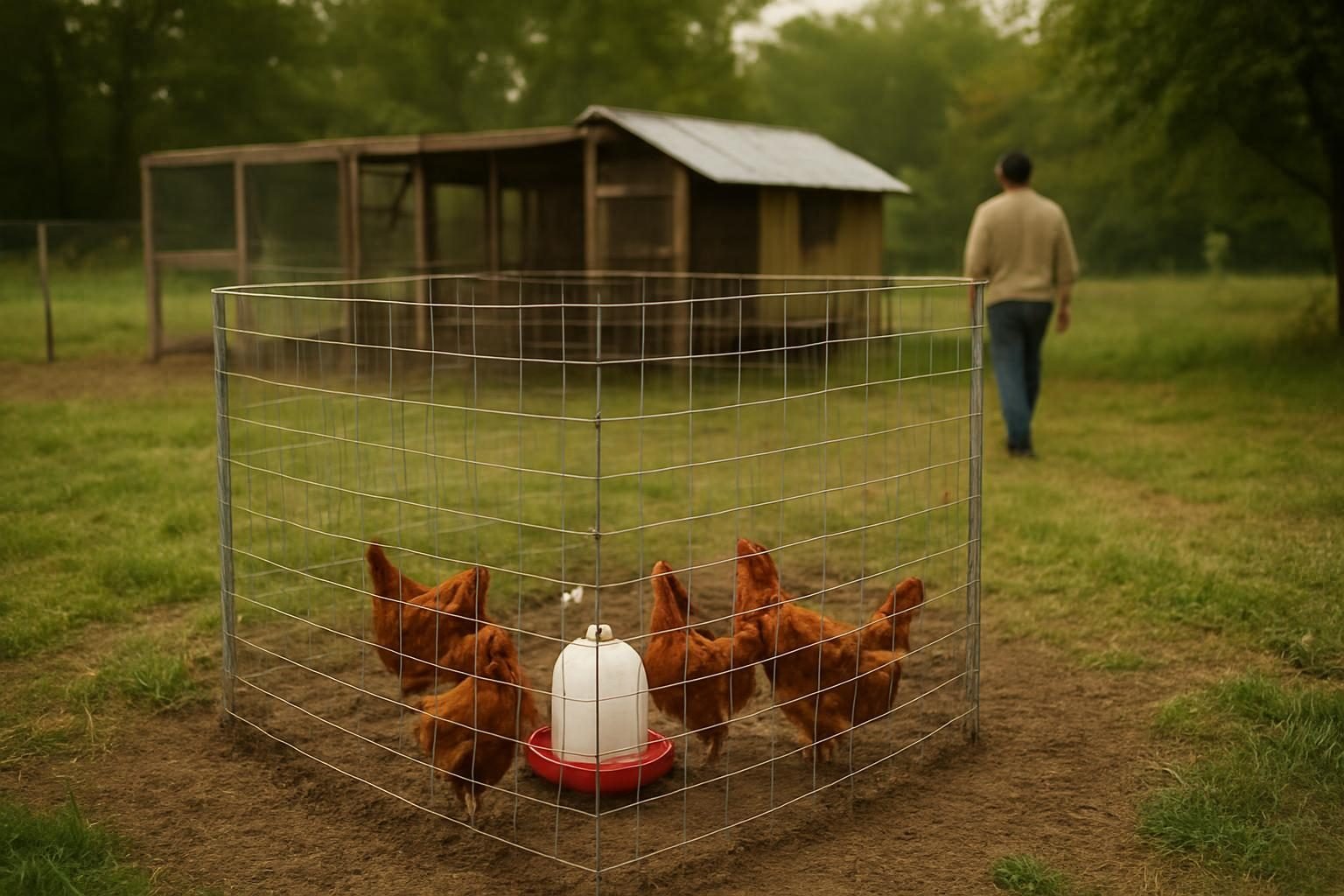
Quarantine protects the flock you already have. Even healthy-looking birds can carry diseases they do not show, and some stay contagious for months. A typical protocol runs 3 to 4 weeks, and many keepers go longer for birds from sale barns or unknown sources.
- Set up a separate space well away from the main flock, ideally out of shared air and not just a fence line apart. A spare pen, a dog crate in a garage or a small tractor works.
- Do the new birds’ chores last. Tend resident birds first, then the newcomers, and change shoes or wash hands and tools between them.
- Use dedicated feeders, waterers and gear. Do not share equipment between groups.
- Watch daily. Look for sneezing, discharge, lethargy, diarrhea, swollen faces and drops in appetite. Treat any sick bird as a reason to extend the timer.
- Check for parasites on day one and again at the end, and treat if needed under veterinary or extension guidance.
- Introduce slowly. After quarantine, let the groups see each other through wire for a week or so, then combine them in a space with room to retreat and plenty of feeders so the pecking order sorts itself out without injuries.
Plan the space before you buy. Our guides to chicken pens and runs and the chicken coop buyer’s guide cover sizing and predator-proofing, and the right poultry wire matters more than most beginners expect. If your flock will move across pasture, chicken tractors let you rotate birds and spread manure instead of concentrating it.
Season and region matter
Timing changes the math. Pullets bought in late summer may start laying just as day length shrinks, so they can stall until spring in northern climates, while cold winters strain young birds that are not fully feathered. If you are buying in fall, read keeping chickens in winter first. In the humid East and South, damp and heat favor coccidiosis and mites, so quarantine and sanitation matter even more. In the arid West, watch water and shade. Farm-scale decisions like these fit best inside a bigger plan; see our guide to small-scale regenerative farming for how poultry fit with soil, gardens and grazing.
So which should you buy?
Pick by your constraint. If time is the problem, buy pullets from a seller you have vetted. If money and flock quality are the goal, order chicks and accept the brooding work. If you want the whole cycle, or a particular breed, try hatching eggs, and expect a learning curve. Many experienced keepers mix approaches: raise their own chicks for the long-term flock and buy a few started pullets to cover gaps. Browse more in our Grazing & Livestock section.
Key takeaways
- Started pullets save months but cost the most per bird and carry the highest disease-introduction risk.
- Day-old chicks are the best balance of price, breed choice and control, if you can brood them.
- Hatching eggs are the cheapest and most hands-on, with variable hatch rates and unsexed birds.
- Before buying pullets, confirm hatch date, sex, vaccination status and flock health, and inspect the birds in person.
- Quarantine every new bird for 3 to 4 weeks, with separate gear and last-in-line chores.
- Count feed, bedding and your time, not just the purchase price, when comparing options.
Frequently asked questions
How old should pullets be when I buy them?
For quick eggs, look for pullets around 16 to 20 weeks old, often sold as point of lay. Birds at 8 to 12 weeks cost less but need more feeding time and still require a protected, well-feathered setup. Always ask for the real hatch date rather than a vague description.
Is it cheaper to buy pullets or raise chicks?
Chicks cost less up front, and for larger flocks they are usually cheaper overall. For a few hens, the gap shrinks once you add brooder equipment, heat, five months of feed and a season without eggs. The cheaper choice depends on how many birds you want and whether you already own brooding gear.
Do I need to quarantine pullets from a reputable breeder?
Yes. A good seller lowers the risk but does not remove it, because birds can carry diseases without symptoms and stress from transport can bring illness out. Plan on 3 to 4 weeks of separate housing for any new bird, no matter the source.
Will bought pullets lay right away?
Usually within a few weeks to two months, but moving, new housing and short winter days can delay laying. Give them consistent feed, water and light conditions, and do not expect full production the day they arrive.
What vaccinations should pullets have?
Marek’s disease vaccination is the most common and is typically given at the hatchery on day one. Some sellers also vaccinate for other diseases. Ask exactly what was given and when, and check with your state veterinarian or extension office about what is recommended in your area.