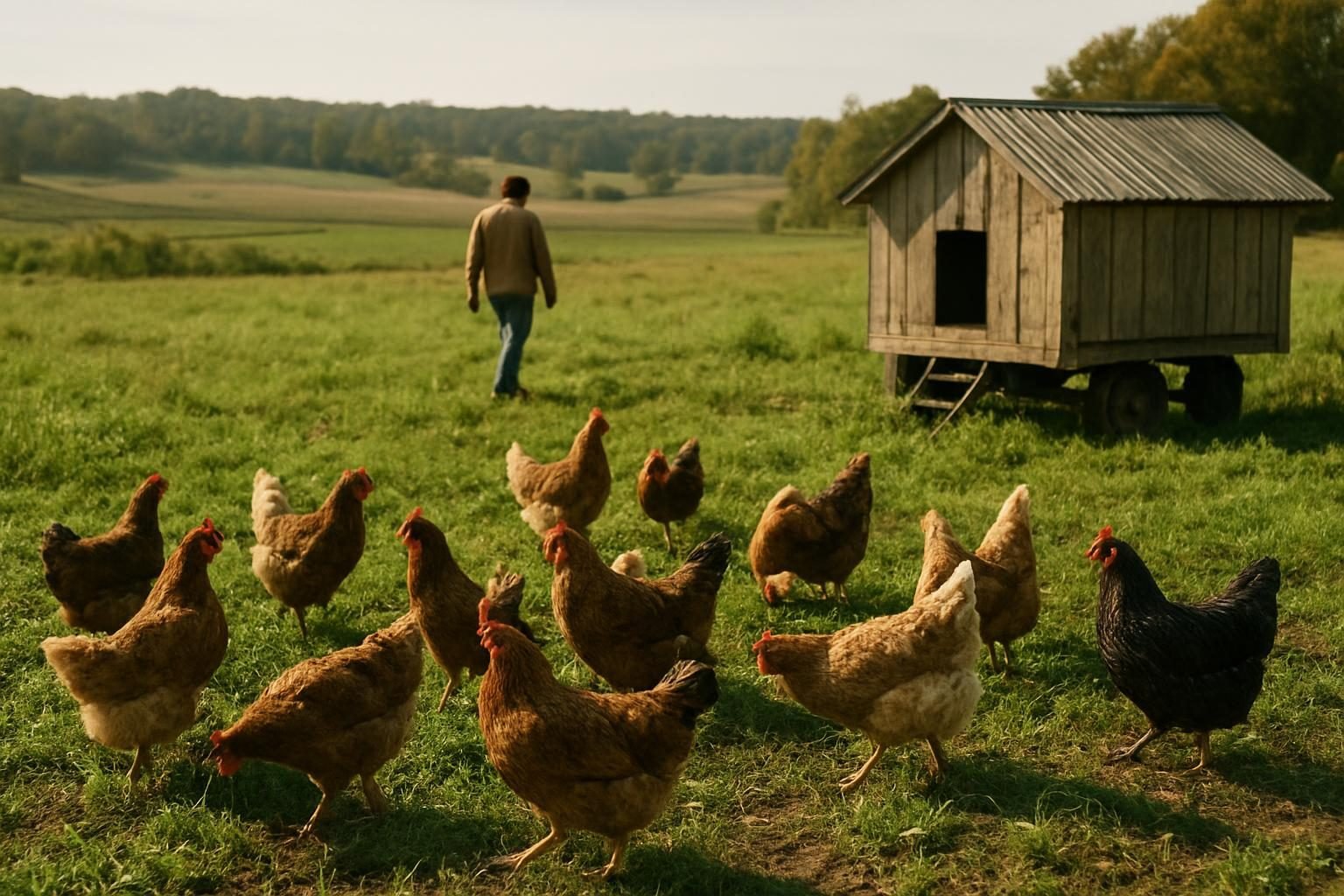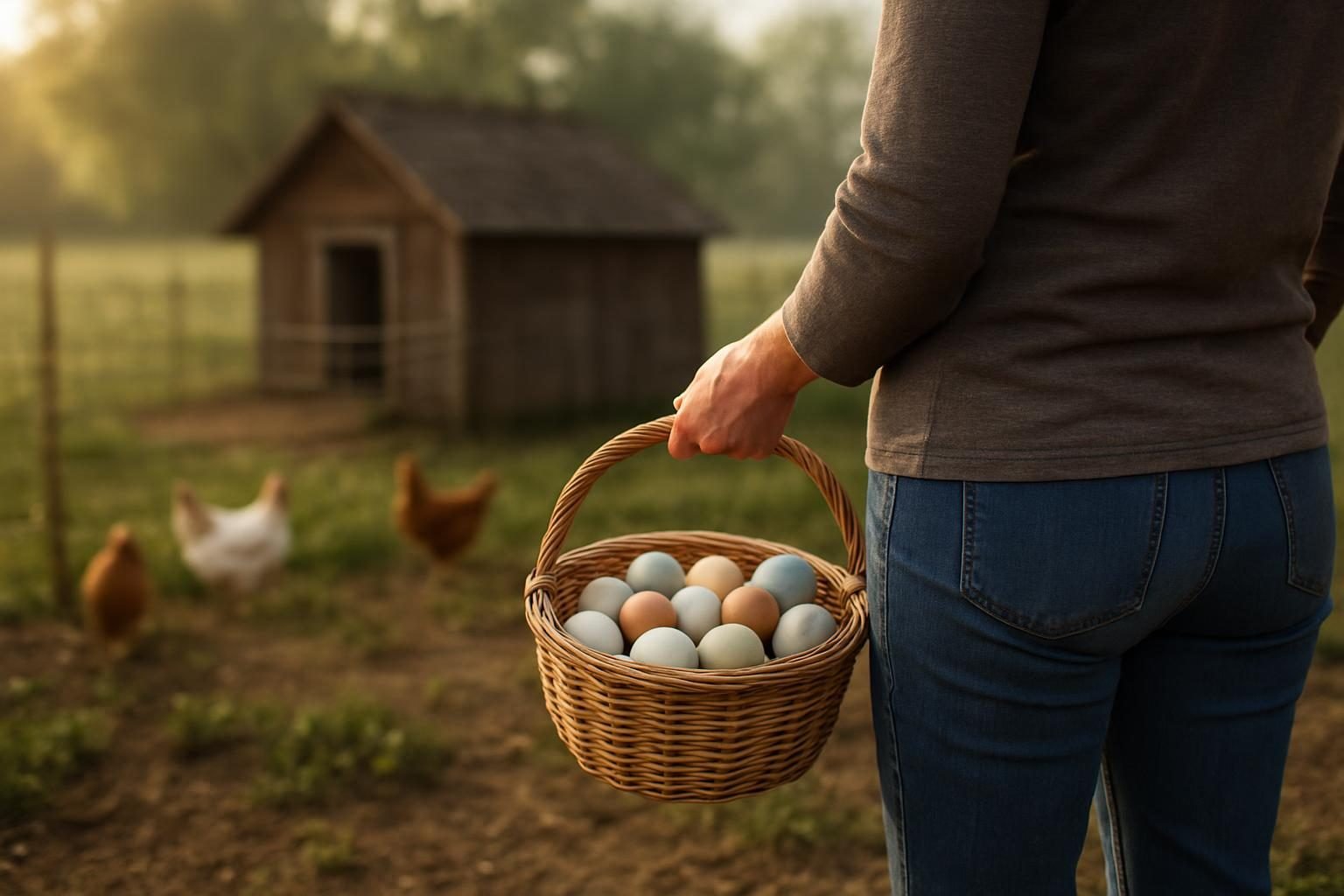
Few flock questions cause more confusion than colored eggs. A feed-store bin labeled “Ameraucana” is almost always full of something else, and the egg color you end up with can surprise you. Here is how to tell an Easter Egger chicken from a true Ameraucana and an Olive Egger, and how to buy the birds you actually want.
Quick answer: An Easter Egger is a mixed-breed bird that carries the blue-egg gene and can lay blue, green, olive, pink or cream eggs. A true Ameraucana is a recognized breed that lays blue eggs only. An Olive Egger is a deliberate cross, usually a blue-egg layer with a dark-brown-egg layer, that lays olive to green eggs. Most birds sold as “Ameraucanas” at feed stores and many hatcheries are Easter Eggers.
Why egg color works the way it does
Egg color comes from two separate pigment systems, and understanding them clears up most of the confusion.
- Blue pigment (oocyanin) is deposited as the shell forms, so it runs all the way through. Crack a blue egg and the inside of the shell is blue too. It comes from a single dominant gene that originated in South American breeds like the Araucana.
- Brown pigment (protoporphyrin) is painted on the outside in the last hours before laying. It is why brown eggs are white inside the shell.
Blue plus a little brown makes green. Blue plus a lot of brown makes olive. A hen with the blue gene and a light brown layer in her background can lay anything from sky blue to khaki. That is the whole story behind the three types below.
Easter Egger chicken: the mixed-breed favorite
An Easter Egger (often shortened to EE) is not a breed. It is any chicken that carries the blue-egg gene but does not meet a breed standard. Parent stock is usually Ameraucana or Araucana crossed with brown-egg layers.
What to expect
- Eggs: Typically blue, green, olive, pink, or cream. Each hen lays one consistent color for life, but you cannot predict it from the chick. Color shade can lighten somewhat late in the laying season.
- Looks: Highly variable. Some have beards and muffs, some have pea combs, some have slate or yellow legs. Feather color runs the whole spectrum.
- Production: Often 200 to 280 eggs a year in a good flock, though it varies by parent stock and management.
- Temperament: Usually friendly, active and cold-tolerant thanks to small pea combs. Good foragers.
Easter Eggers are a solid choice if you want a colorful egg basket and a hardy, curious bird. Just do not expect a guaranteed color. If you are building a pasture flock, they fit well alongside the breeds covered in our guide to the best chicken breeds for pasture.
True Ameraucana: a standardized breed
The Ameraucana was developed in the United States in the 1970s from Araucana stock and is recognized by the American Poultry Association. It has a written standard, which is what separates it from an Easter Egger.
- Eggs: Blue. Shade ranges from pale to a more saturated blue, but a true Ameraucana does not lay green, pink or brown.
- Required traits: Muffs and beard, pea comb, slate or black legs (varies by color variety), a full tail, and a recognized plumage color such as black, blue, blue wheaten, brown red, buff, silver, wheaten or white.
- Production: Typically 150 to 250 eggs a year, usually somewhat below the best Easter Egger and commercial hybrid lines.
Because the breed is small and carefully maintained, true Ameraucanas cost more and are harder to find. Reputable breeders sell them, and a few hatcheries do, but the labeling is inconsistent across the industry. Treat the name as a claim to verify, not a guarantee.
Olive Egger: a designed cross
An Olive Egger is deliberately bred, usually by crossing a blue-egg layer (Ameraucana or Easter Egger) with a dark-brown-egg layer such as a Maran or Welsummer. The brown coat over blue shell produces green to olive eggs.
For readers who want to understand the dark-egg parent, our upcoming guide to the black copper Maran hen covers what dark brown eggs really look like in practice.
- Eggs: Olive, army green, khaki or sage. The first-generation cross (F1) is the most reliable. Birds bred from Olive Eggers vary widely.
- Looks: Dark, mixed plumage. No fixed standard, so appearance varies.
- Production: Often moderate, around 150 to 250 eggs a year depending on parent lines.
The important caveat: Olive Egger is a type of cross, not a breed. Two hatcheries selling “Olive Eggers” may be crossing different parents, so egg shades differ.
Side-by-side comparison
| Trait | Easter Egger | True Ameraucana | Olive Egger |
|---|---|---|---|
| Breed status | Mixed, no standard | APA-recognized breed | Planned cross, no standard |
| Egg color | Blue, green, olive, pink, cream | Blue only | Olive to green |
| Predictable color? | No | Yes | Mostly, in first-generation crosses |
| Typical annual eggs | 200-280 | 150-250 | 150-250 |
| Appearance | Highly variable | Uniform to standard | Variable, often dark |
| Price and availability | Inexpensive, everywhere | Higher, harder to find | Moderate, seasonal |
Egg counts are rough ranges and depend heavily on strain, feed, daylight and age.
How to avoid mislabeled chicks
This is where most buyers get burned. Day-old chicks of these types are hard to tell apart, and “Ameraucana” is one of the most misused labels in poultry. Use this checklist.
- Be suspicious of the bin sign. If a feed store sells “Ameraucanas” at a bargain price in a mixed-chick tank, assume Easter Eggers unless the supplier proves otherwise.
- Ask for the source. Which hatchery or breeder supplied the chicks, and can they show the breed lineage? A breeder with true Ameraucanas will gladly talk about their flock and standards.
- Look for the breed traits in photos. Ask to see the parent birds: muffs and beard, pea comb, slate legs, and a tail. Missing traits point to Easter Eggers.
- Check the egg color of the parent flock. Blue only means Ameraucana or Araucana lines. A basket of mixed greens, pinks and blues means Easter Eggers.
- Know the National Poultry Improvement Plan. Hatcheries that participate in NPIP are tested for certain diseases. That is a health marker, not a breed guarantee, so confirm current details with your state poultry office.
- Buy older birds when color matters. Started pullets let you see traits before you commit. See our comparison of buying pullets vs chicks for the trade-offs.
- Accept the risk, or label honestly. If you just want colorful eggs, buy Easter Eggers on purpose and enjoy the surprise.
Also expect some sexing error. Straight-run chicks are roughly half cockerels, and even “pullet” lots occasionally include a rooster. If you are unsure whether to keep one, read our guide to whether you need a rooster.
Buying and brooding tips
Order timing matters because hatcheries sell out of specialty types in spring. Our guide to chick days covers when to order and what to ask, and brooding baby chicks walks through heat and setup for the first six weeks.
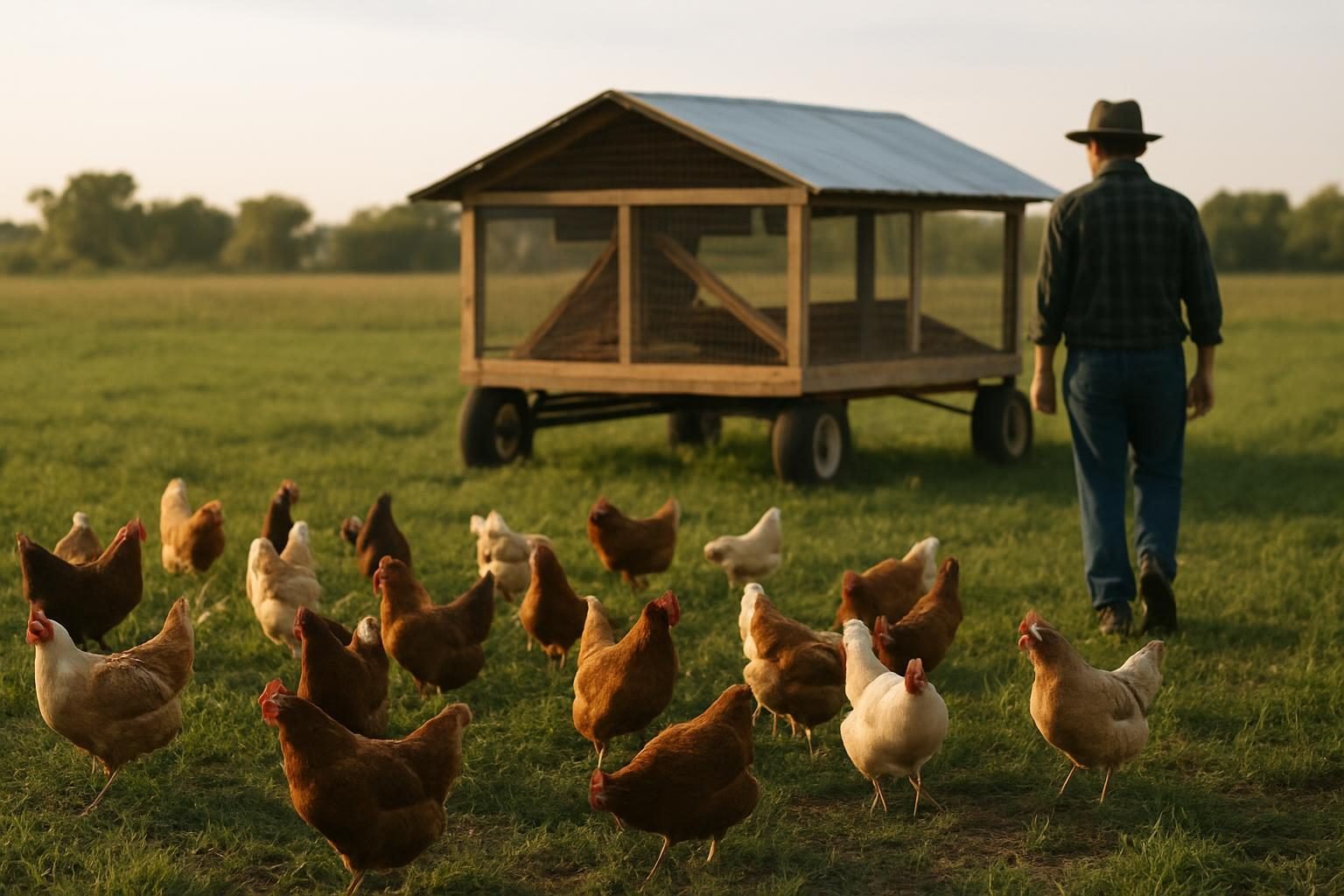
Colored-egg layers eat the same as other layers. Match feed to age and purpose using our chicken feed guide, and if you buy at a farm store, see how to cut costs with Tractor Supply poultry feed and forage. Easter Eggers and Ameraucanas forage well, so they suit a chicken tractor or movable setup. For broader breed context, see our hub on types of chickens, or compare with brown-egg classics in our Barred Rock, Buff Orpington and Rhode Island Red guide. More livestock guides live in the Grazing & Livestock category.
Key takeaways
- An Easter Egger is a mixed bird with the blue-egg gene. Egg color is unpredictable but often beautiful.
- A true Ameraucana is a recognized breed that lays blue eggs only.
- An Olive Egger is a planned cross, so shade depends on the parents.
- Most “Ameraucanas” in feed stores are Easter Eggers. Verify the source and look for muffs, beard, pea comb and slate legs.
- Buy started pullets if exact egg color matters to you.
Frequently asked questions
Are Easter Eggers the same as Ameraucanas?
No. Ameraucanas are a recognized breed with a written standard and lay blue eggs only. Easter Eggers are mixed birds that carry the blue-egg gene and can lay blue, green, olive, pink or cream eggs.
What color eggs will my Easter Egger lay?
You cannot tell from the chick. Each hen lays one color for her life, and it can be blue, green, olive, pink or cream. You usually find out when she starts laying around 18 to 24 weeks.
Do Olive Eggers breed true?
Not reliably. First-generation crosses between a blue-egg layer and a dark-brown-egg layer give the most consistent olive eggs. Breeding those birds together produces a mix of egg colors.
Can you tell an Ameraucana from an Easter Egger as a chick?
Not reliably. Day-old chicks look similar. Adult traits such as muffs and beard, pea comb, slate legs and consistent blue eggs are the best way to tell, which is why buying from a trusted breeder matters.
Do colored eggs taste or nutrition differ?
Shell color does not determine taste or nutrition. Feed, forage and freshness matter far more, so hens on pasture with a balanced ration tend to produce the best eggs regardless of shell color.