Learning how to start a small farm is mostly an exercise in sequencing: spend the least money on the things that teach you the most, and delay the big purchases until you have proof that something sells. You do not need a hundred acres or a six-figure loan to begin. You need a clear enterprise, access to land, a realistic budget, and customers lined up before the first harvest.
Quick answer: To start a small farm on a tight budget, pick one low-capital enterprise (market vegetables, microgreens, laying hens, or pastured poultry), lease or borrow land before buying, keep startup costs in the low thousands of dollars where possible, confirm local licensing and food-safety rules, presell through markets or CSA shares, and layer in grants, cost-share and loans once you have a written plan and early sales records.
Start With the Enterprise, Not the Land
Most beginners shop for land first and figure out what to grow later. Flip that. The enterprise determines how much land, water, equipment and cash you need, and a good fit can make a half-acre profitable while a poor fit loses money on fifty.
Judge each option on five things: startup cost, time to first income, labor demand, regulatory burden, and how well it fits your climate and local market. Here is how common beginner enterprises compare. All figures are rough, typical ranges that vary by region and scale.
| Enterprise | Typical startup (small scale) | Time to first sales | Land needed | Notes |
|---|---|---|---|---|
| Microgreens | Low to moderate (trays, shelving, lights or a greenhouse) | 2-4 weeks | Indoor or small structure | Fast cash flow, steady chef and market demand; see growing microgreens for profit |
| Market vegetables | Low to moderate (tools, irrigation, cooler, seed) | 2-4 months | 0.25-2 acres to start | Labor-intensive; strong direct-sales channels |
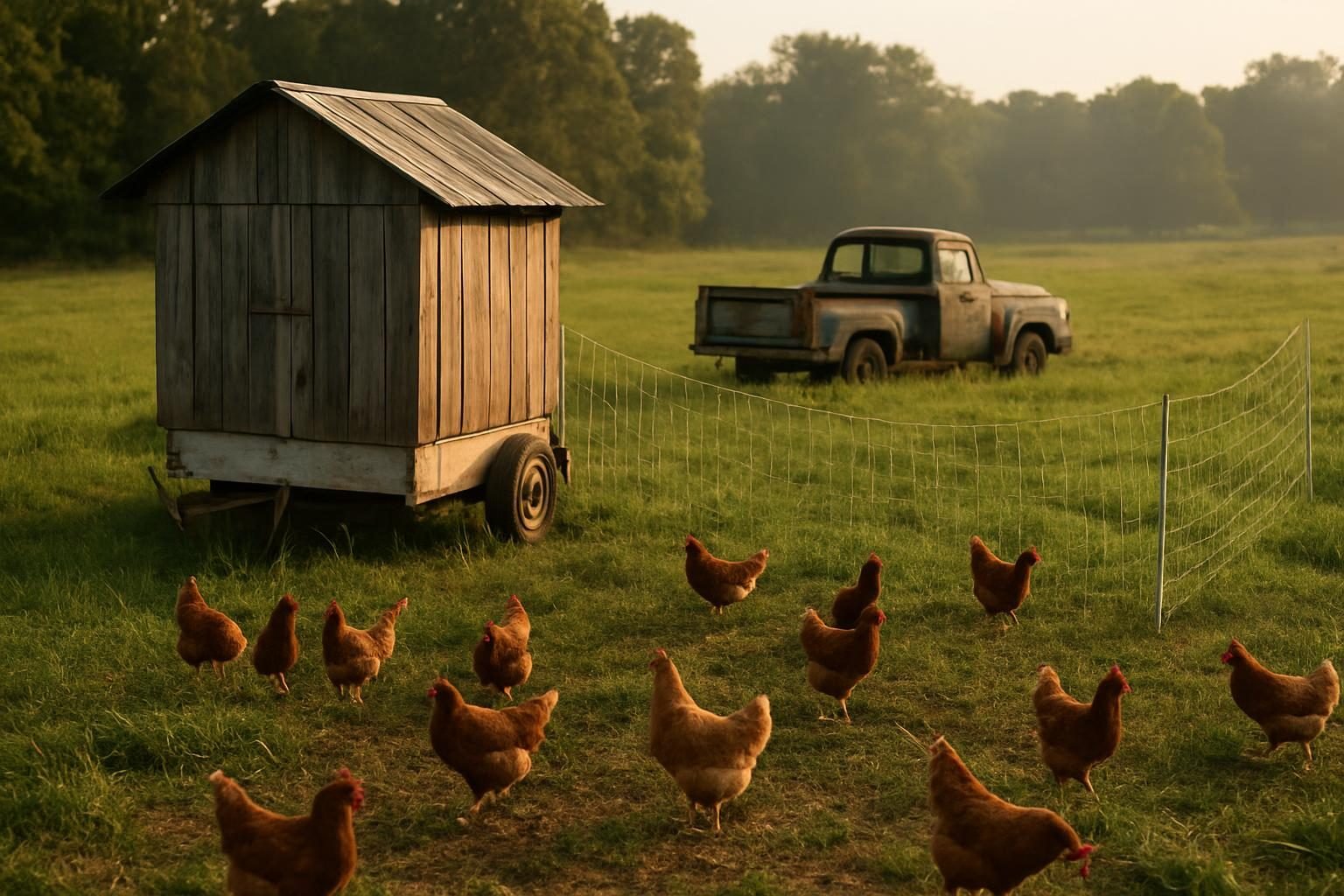
| Laying hens (eggs) | Low to moderate (birds, mobile coop, fencing, feed) | 5-6 months for pullets | Small pasture area | Feed is the big ongoing cost; check egg-sale rules |
| Pastured meat poultry | Low to moderate | 2-4 months | Small pasture area | Processing rules are the bottleneck |
| Pastured pigs | Moderate | 6-9 months | 1-2 acres or woodlot | See pastured pigs; fencing and processing access matter |
| Beef, sheep, goats | Moderate to high | 1-2+ years | Larger acreage | Slower payback; grazing skill pays off, see rotational grazing |
If cash is tight, start with the fast-turnaround items (greens, vegetables, eggs) and use that income to fund slower enterprises later. If you want to go small and intensive, our guide to small-scale regenerative farming on under five acres shows how much a little ground can do.
Lease vs Buy Land
Land is usually the largest expense in farming, and it is the one most likely to sink a beginner. For most people starting with little money, leasing first is the smarter move, though USDA land loans can also help those ready to purchase.
Why leasing usually wins at the start
- You keep your cash for inputs, tools and marketing instead of a down payment.
- You can test a site, a market and your own stamina before committing.
- You can move if the water, soil or neighbors turn out to be a problem.
The trade-offs
Leases can be short and insecure. Soil-building takes years, and you may be improving ground you can lose. Get any lease in writing and cover term length (aim for at least three to five years, with renewal options), water access, who pays for fencing and repairs, whether you can build hoop houses or other structures, and what happens if the owner sells. Have a local attorney or your extension office review it. This is general information, not legal advice.
Where to find land
- Retiring farmers and absentee landowners who want the land kept in production.
- Land trusts, farm-link programs and state or regional beginning-farmer networks.
- Churches, schools, municipalities and community-garden programs, especially for urban plots.
- Neighbors with unused pasture or a back field.
If you do buy, a slow, small purchase with good water and a road is better than a big, cheap, hard-to-work parcel. Test the soil before you commit; our complete guide to soil health explains what to look for.
Startup Budget Ranges
No honest number fits every farm, so think in categories and keep each one lean. These are rough, typical ranges for a very small operation, and your costs will differ by region, scale and how much you can build or buy used.
| Category | What it covers | Typical range (small start) |
|---|---|---|
| Land | Lease payments or a small purchase | Lease: often a few hundred to a few thousand per year; purchase varies enormously by region |
| Infrastructure | Fencing, water, a small cooler, simple shelter | Low thousands, more with greenhouses or permanent fence |
| Tools and equipment | Hand tools, wheel hoe, irrigation, a used small tractor if needed | Hundreds to several thousand; used gear saves a lot |
| Inputs | Seed, compost, feed, animals, packaging | Hundreds to low thousands per season |
| Insurance, licenses, fees | Liability, permits, market fees | Hundreds to low thousands per year |
| Marketing | Signage, website, market stall, labels | Low hundreds to a couple thousand |
| Cash cushion | Operating reserve for slow months | Aim for several months of expenses |
Ways to keep costs down: buy used equipment, borrow or share tools with neighbors, build with salvaged materials, start with seeds rather than transplants where it makes sense, and add one infrastructure item at a time. A hoop house is one of the best-value investments for extending the season once you have sales to justify it.
Write it all down in a plan. Our farm business plan guide and template walks through the numbers, and you will need that document for most funders anyway.
Licensing, Insurance and Rules
Rules vary by state, county and product, so treat this as a checklist of questions to ask, not a legal answer. Start with your state department of agriculture, county health department and local extension office.
- Business structure and registration: sole proprietor, LLC or other; local business license and a tax ID. Talk to an accountant or attorney about what fits you.
- Zoning: confirm farming, farm stands and on-farm sales are allowed where you are.
- Food safety: produce, eggs, cottage foods and value-added items each have their own rules, inspections or exemptions.
- Meat: this is the trickiest area. Selling by the cut generally requires inspected processing, while custom-exempt processing has strict limits. Read USDA custom exempt processing vs inspected meat before you raise a single animal for sale, and book a processor early because slots fill up.
- Insurance: farm liability coverage, plus product liability for food sales. Many markets require proof of coverage.
- Water and environmental rules: well, irrigation and manure-handling regulations can apply.
First-Year Marketing
Sell before you grow. Even a handful of committed customers changes how you plant, raise and price. Match your channel to your enterprise and your time.
- Farmers markets: low barrier, instant feedback, and a way to build a mailing list. See selling at farmers markets for tactics.
- CSA or subscription boxes: upfront payments fund your season, but they demand reliable variety and delivery.
- Restaurants and grocers: good for microgreens, herbs and specialty items, but expect consistency demands and slower payment.
- On-farm sales: a cooler and an honor-box stand cost little; get ideas from farm stand ideas.
- Direct meat sales: if you go this route, how to sell grass-fed beef direct covers the customer side.
Price to cover your real costs and your own labor, not to match the cheapest table at the market. Our guide on how to price farm products shows how to do the math. Over time, value-added farm products can lift margins, but check the rules first.
Funding Sources
Most small farms start with a blend of savings, sweat equity and modest outside money. Avoid taking on large debt before you have sales records.
- Savings and off-farm income: keeping a part-time job through year one or two is common and sensible.
- Grants: competitive and often narrow, but worth pursuing. Start with farm grants for beginning farmers.
- Loans: USDA Farm Service Agency programs and community lenders serve beginners. Read up on farm loans and confirm current terms with FSA.
- Conservation cost-share: NRCS programs can help pay for fencing, water, cover crops and more. See EQIP for regenerative farmers and the Conservation Stewardship Program guide. Eligibility and payments change, so confirm with your local NRCS office. Note that programs generally require control of the land, which is another reason to secure a solid lease.
- Carbon and other markets: read carbon credits for farmers with a skeptical eye; most are not a startup funding source.
- Crowdfunding and presales: CSA shares and community support can fund specific purchases.
For the bigger picture on money, certification and sales, the hub on the regenerative farming business pulls it together, and you can browse more in the Farm Business & Funding category.
A 12-Month Launch Plan
Adjust the timing to your climate and season. A humid East grower, a Corn Belt farmer and an arid West producer will hit planting dates at different times, but the order holds.
- Months 1-2: Decide and learn. Choose your enterprise, visit working farms, and take a beginning-farmer course through extension or a local nonprofit. Draft your plan.
- Months 2-3: Secure land and water. Walk candidate sites, test soil, confirm water, and sign a written lease.
- Month 3: Handle the paperwork. Register the business, get insurance, and confirm licensing and food-safety rules with your state and county.
- Months 3-4: Line up customers. Apply for a market spot, open CSA signups, and talk to buyers. Book a processor now if you raise meat.
- Months 4-5: Build the basics. Set up fencing, water, a wash-and-cooler area and simple shelter. Prepare beds or paddocks.
- Months 5-8: Plant, raise and sell. Start small, keep records of every cost and sale, and adjust weekly based on what moves.
- Months 8-10: Review. Which crops or products earned the most per hour? Drop losers and double down on winners.
- Months 10-11: Apply for funding. With real numbers in hand, pursue grants, cost-share or a modest loan.
- Month 12: Plan year two. Build soil with cover crops and compost, set prices, and decide what to scale. If you plan to add grazing animals, see what regenerative agriculture is for the foundations.
Key takeaways
- Choose the enterprise first; it sets your land, cash and labor needs.
- Lease before you buy, and put the lease in writing.
- Start with fast-return products and keep early infrastructure minimal.
- Confirm licensing, insurance and meat-processing rules before you sell.
- Sell before you grow, and price to cover real costs and your labor.
- Layer in grants, cost-share and loans after you have a plan and sales records.
Frequently asked questions
How much money do I need to start a small farm?
It depends on the enterprise and whether you lease or buy. A very small vegetable, egg or microgreens operation can start in the low thousands of dollars if you lease land, buy used tools and build simply. Livestock and land purchases cost far more. Keep a cash cushion for several months of expenses.
Can I start a farm with no land?
Yes. Microgreens can be grown indoors, and many beginners lease an acre or less, use urban lots, or farm borrowed land. Some farm-link programs match new farmers with landowners. Always get terms in writing.
What is the most profitable small farm enterprise?
There is no single answer. Profit depends on your market, pricing, labor and skill. Microgreens, specialty vegetables and eggs often return cash quickly at small scale, while meat can earn well but carries processing and regulatory hurdles. Track your income per hour of labor to find your best fit.
Do I need a license to sell what I grow?
Often, yes, or you may qualify for an exemption. Requirements vary by state, county and product, and meat, dairy and processed foods face the strictest rules. Check with your state department of agriculture and county health department before selling.
Can I get a loan or grant as a new farmer?
Beginning farmers may qualify for farm credit financing, USDA FSA loans, community lender products and some grants or conservation cost-share. Programs, eligibility and amounts change, and most want to see a business plan and control of land, so confirm current details directly with the agency or program.