Urban farming means growing food, and sometimes raising small livestock, inside city and suburban limits, from a few raised beds to a half-acre commercial plot. It works because cities have what rural farms often lack: customers within a few miles, underused land, and neighbors hungry for fresh food. This guide walks through the site types, the legal and soil questions you must answer first, and the practical steps from first bed to first sale.
Quick answer: To start urban farming, pick a site type that fits your space and goals (backyard, vacant lot, rooftop, community garden, or indoor), confirm zoning and land access in writing, test the soil for lead and other contaminants before planting, build raised beds with clean soil if testing is poor, secure a reliable water source, and start with fast, high-value crops like salad greens, herbs and tomatoes. Sell through direct channels such as farmers markets, restaurants and CSA shares.
The Main Types of Urban Farms
No single model fits every city. Match the type to your space, budget and tolerance for risk.
| Type | Typical size | Best for | Main challenge |
|---|---|---|---|
| Backyard | 100 to 2,000 sq ft | Household food, learning, small sales | Limited scale, neighbor and HOA rules |
| Vacant lot | 0.05 to 1+ acre | Market gardens, neighborhood projects | Land tenure, soil contamination |
| Community garden | Individual plots of 100 to 400 sq ft | Shared growing, education, food access | Governance, volunteer burnout |
| Rooftop | Varies widely | Dense downtowns, restaurants | Structural load, wind, cost |
| Indoor | Closet to warehouse | Year-round greens and microgreens | Energy costs, thin margins |
Indoor and rooftop systems get the headlines, but most successful small urban farms are simple: soil-based beds on a lot or in a yard, run with low overhead. High-tech setups carry high startup and energy costs, so run the numbers honestly before committing.
Land Access and Zoning
Before you buy a single seed, find out who owns the land and what the city allows. This is the step that sinks more urban farm projects than bad soil or bad weather.
Finding land
- Your own property: the simplest option. Check HOA covenants as well as city code.
- City or county land banks and parks departments: many cities lease vacant parcels for gardens, sometimes for a nominal fee.
- Private owners: churches, schools, hospitals and absentee owners sometimes welcome a tenant who keeps the lot tidy.
- Land trusts: some urban land trusts hold parcels permanently for growing.
Zoning and rules to check
Call your city planning or zoning office and ask specific questions. Rules vary enormously by municipality, so confirm current requirements directly rather than relying on general guidance:
- Is agriculture or market gardening permitted in this zone?
- Can you sell produce on site, at a stand, or only elsewhere?
- Are there limits on fencing, structures, compost piles, hoop houses or animals?
- Are there water-use or stormwater rules?
- Do you need a business license, sales tax permit or food handler registration?
If you lease, get a written agreement with a clear term. A one-year handshake lease is a poor basis for building soil. Aim for multi-year terms, and ask about the owner’s plans for the property. Seek legal advice for lease contracts rather than guessing.
Test for Soil Contamination First
City soil often carries a legacy: lead from old paint and leaded gasoline, plus possible contamination from past industrial use, demolition debris or fill dirt. Lead is the most common concern. It does not break down, and children are especially vulnerable to it. Do not skip testing.
- Research the site history. Ask what stood there before: a gas station, dry cleaner, factory, or a home with peeling lead paint.
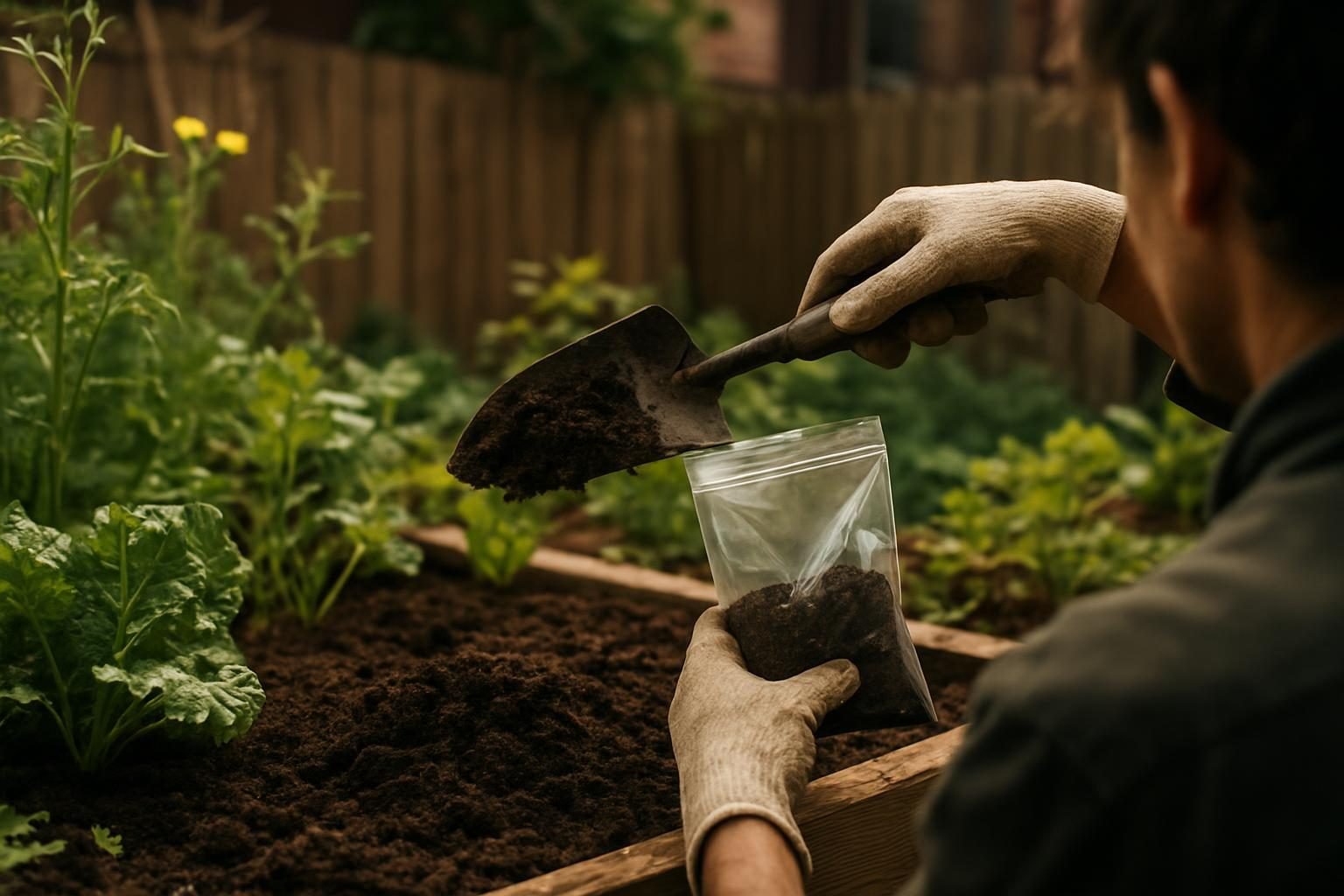
- Take samples. Collect several subsamples across the site from the top 4 to 6 inches, mix them, and send a composite to a lab. Your state land-grant university extension service can point you to accredited labs.
- Test for the right things. At minimum, ask for lead and other heavy metals. If the site had industrial or fuel use, ask the lab or extension office about additional tests such as petroleum compounds.
- Interpret results with an expert. Guidelines for safe levels differ by agency and by use (children’s play area versus food growing). Use USDA, EPA and your extension office for current thresholds rather than internet rules of thumb.
- Retest periodically, and test any imported compost or soil too.
If results are elevated, you have options: grow in raised beds with clean imported soil over a barrier, add heavy compost to dilute and bind contaminants, wash and peel root crops, and favor fruiting crops like tomatoes and peppers over leafy greens and roots, which take up or hold more soil particles. For seriously contaminated sites, walk away or get professional remediation advice. Never assume a site is fine because the soil looks dark and healthy.
Raised Beds, Soil and Building Fertility
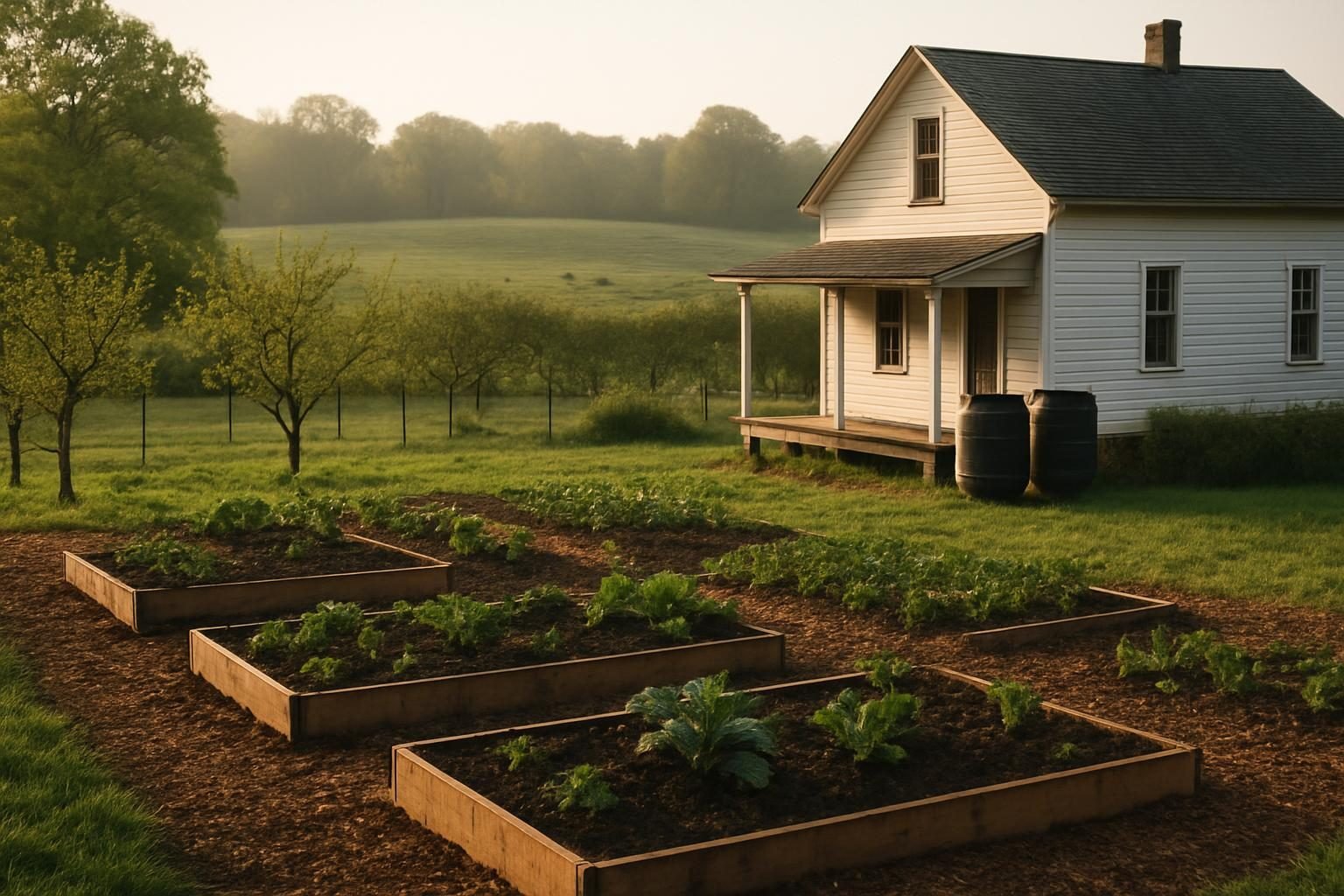
Raised beds are the workhorse of urban farming. They solve contamination worries, drainage problems and compacted subsoil all at once. A typical bed is 3 to 4 feet wide (so you can reach the middle from either side), 8 to 20 feet long, and 8 to 12 inches deep, with 18 to 24 inches of walking path between beds.
- Materials: untreated rot-resistant wood, steel, or concrete block. Avoid old railroad ties and pressure-treated lumber of unknown age.
- Barrier: on questionable soil, line the base with landscape fabric or cardboard before filling.
- Fill: a blend of quality compost and topsoil. Buy from a reputable supplier and ask for test results.
You do not need to till. A no-dig gardening approach, layering compost on top and leaving the soil structure intact, suits raised beds and keeps weed seeds buried. Over time, keep building fertility with compost, mulch and cover crops during off-seasons; our guide to increasing soil organic matter explains realistic timelines. If you make your own compost, learn hot composting for fast, pathogen-reducing batches, or try vermicomposting if space is tight. For cover crop choices that work in small beds, see cover crops for beginners.
Water: The Make-or-Break Detail
Urban farms live or die by water access. Plan this before you plan your crops.
- Source: most urban growers use municipal water. Ask the utility about a dedicated agricultural or irrigation meter, which may be billed differently from household water.
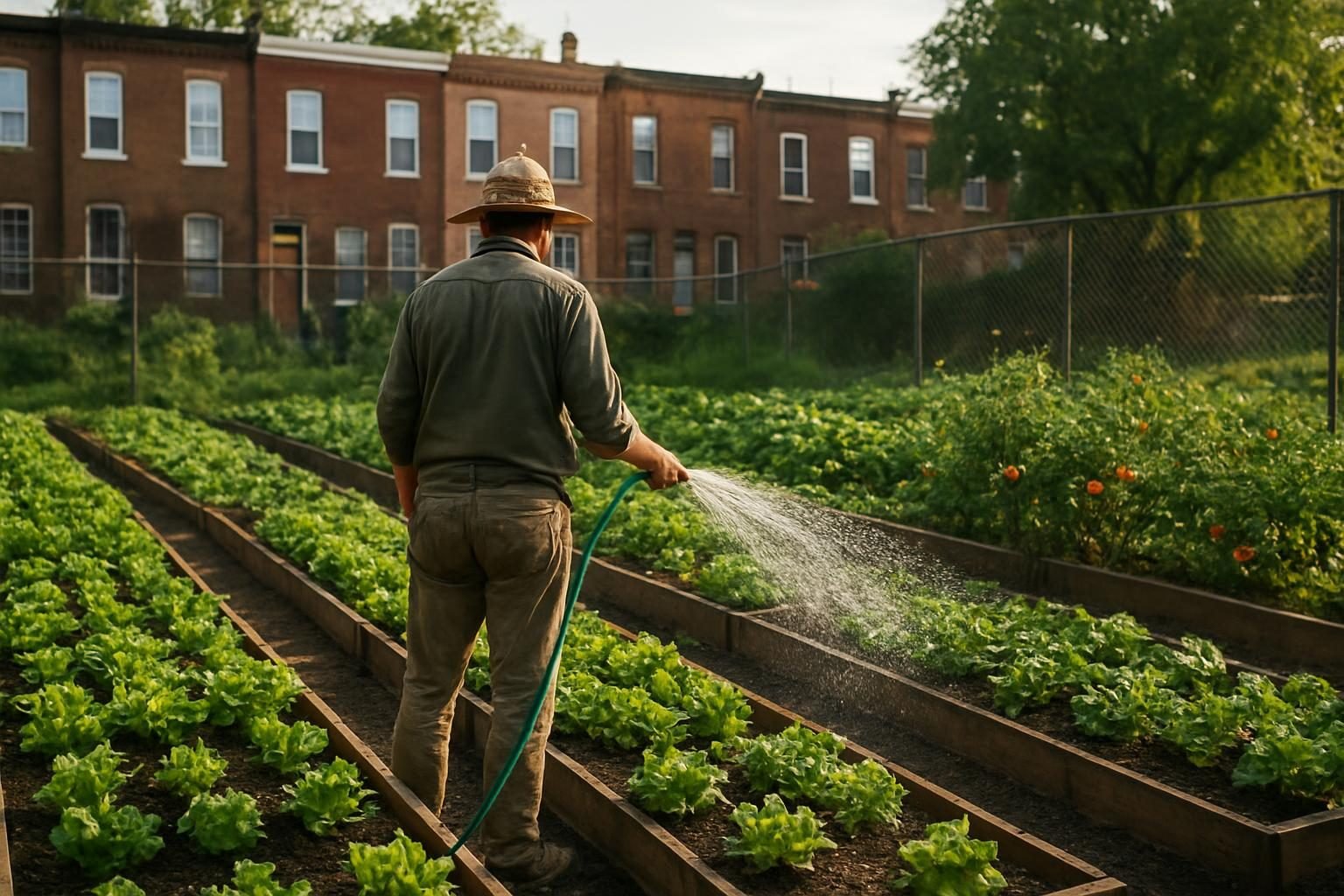
- Delivery: drip irrigation on a timer saves labor and water, and keeps foliage dry to reduce disease. Expect to water more often in raised beds, which dry out faster than in-ground soil.
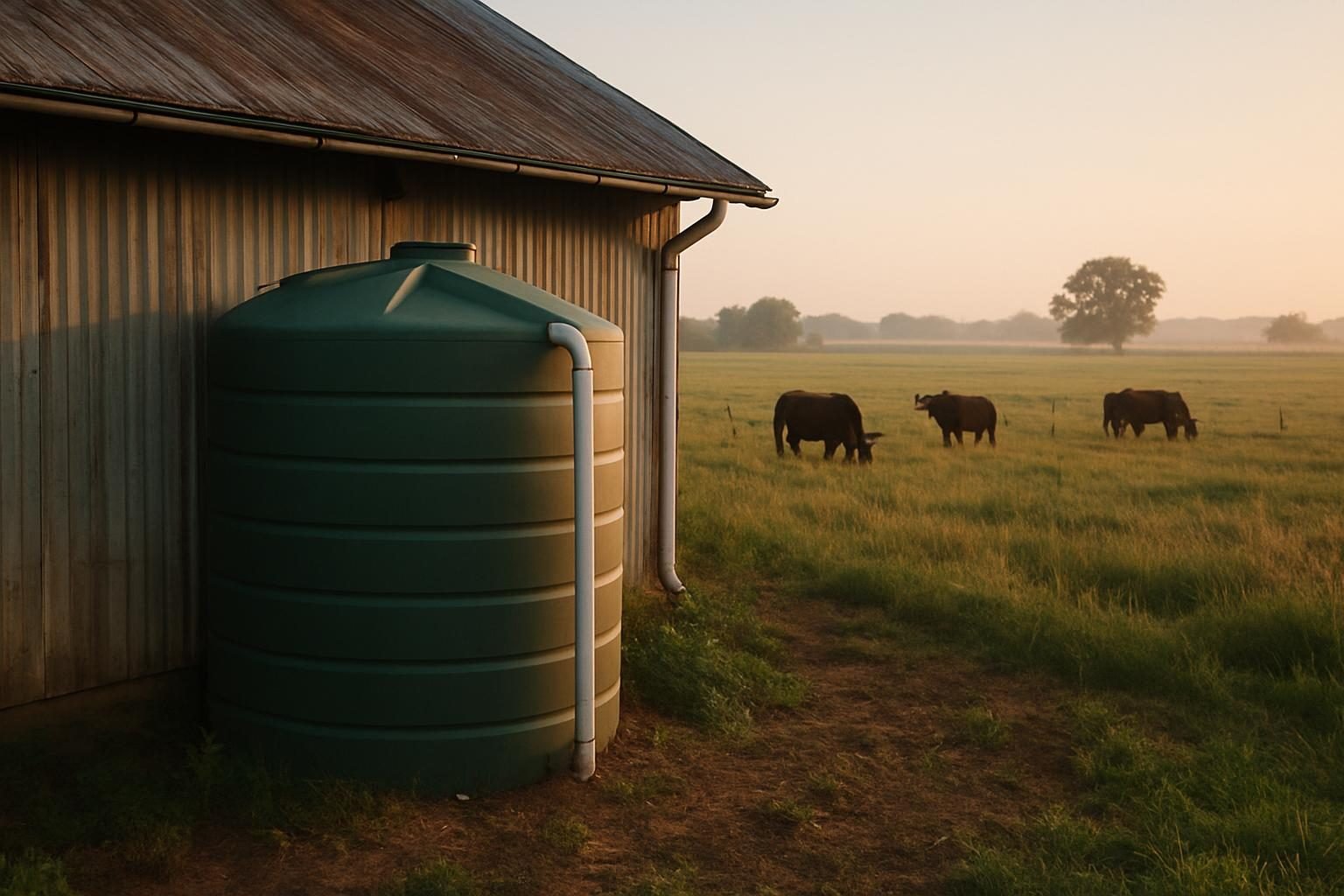
- Rainwater: rain barrels and cisterns help, but check local rules, since some states and cities regulate harvesting. Rooftop runoff from certain roofing materials is not ideal for edible crops.
- Mulch: 2 to 4 inches of straw, wood chips or leaves cuts watering needs substantially, especially in the arid West and hot South.
What Grows Well in the City
Urban space is expensive, so favor crops that produce a lot of value per square foot and per week of bed time. Exact choices depend on your region and season length, so check your local extension office for planting dates.
- Quick-turn greens: salad mix, arugula, spinach and baby kale can be harvested in 3 to 6 weeks and replanted repeatedly.
- Herbs: basil, cilantro, mint, parsley and chives sell well to restaurants and at markets.
- Fruiting crops: tomatoes, peppers, cucumbers and squash earn well and tolerate trellising to save space.
- Microgreens: fast, compact and indoor-friendly. See our upcoming guide to growing microgreens for profit.
- Season extenders: a hoop house can add weeks on both ends of the season in cold climates.
Skip space hogs like sweet corn, main-crop potatoes and winter squash unless you have room. For a deeper look at what pays, watch for our piece on the most profitable crops for small farms.
If you have a yard and local rules allow it, backyard chickens add eggs, pest control and compost fuel. Check ordinances on flock size, coops and roosters first. If you have more room, consider perennial layers described in our food forest guide.
Selling What You Grow
Cities offer the shortest path from field to customer. Common channels:
- Farmers markets: good margins, but stall fees and time are real costs. Ask about market rules on urban-grown produce.
- Restaurants and chefs: want consistency and delivery. Herbs, greens and specialty items fit well.
- CSA shares: upfront payment smooths cash flow. Learn the model in our upcoming guide on how to start a CSA.
- Farm stands and neighbors: low overhead, subject to zoning.
- Institutions: schools, food hubs and co-ops, though these usually require larger volume and paperwork.
Treat it like a business from the start: track costs per bed, price to cover your labor, and expect a learning curve of a couple of seasons. Our market garden step-by-step plan covers crop planning and sales math, and the regenerative farming business guide covers funding, certification and sales. Check with your state department of agriculture and local health department about licensing, cottage food rules and food safety requirements, and consult an accountant on taxes.
Community Benefits
Urban farms do more than grow vegetables. Depending on design and management, they can:
- Improve access to fresh produce in neighborhoods with few grocery options.
- Turn blighted lots into productive green space.
- Create education and job-training opportunities for youth and adults.
- Increase soil cover and support pollinators and beneficial insects.
- Help absorb stormwater compared with paved surfaces.
These benefits are real but vary with scale and management, and a single small garden will not transform a city’s food system. Be honest about what your project can achieve. For the wider picture on soil-building practices that carry over to the city, see what regenerative agriculture is and browse more guides in our small and urban farms section.
Key Takeaways
- Choose a site type that matches your space, budget and goals; simple soil-based beds often beat high-tech systems on cost.
- Confirm land tenure and zoning in writing before investing in infrastructure.
- Test soil for lead and other contaminants before growing food, and use raised beds with clean fill when in doubt.
- Secure reliable, affordable water and mulch heavily to cut demand.
- Start with fast, high-value crops and sell through direct channels.
- Build fertility with compost and cover crops, and treat the farm as a business from day one.
Frequently asked questions
Do I need a permit to farm in the city?
It depends entirely on your city and zone. Growing food for your household is usually allowed, but selling produce, keeping animals, building structures or running a stand may require permits, licenses or zoning approval. Call your local planning office and health department and confirm current rules before you start.
Is it safe to grow food in urban soil?
It can be, but only after testing. Urban soil may contain lead and other contaminants from past land use. Send a sample to an accredited lab through your extension service, interpret the results with current USDA and EPA guidance, and use raised beds with clean soil if levels are elevated.
How much money can an urban farm make?
Income varies widely with crop choice, scale, labor, local prices and sales channels, and many small urban farms earn modest returns, especially in the first few seasons. Track costs carefully, focus on high-value crops, and treat early years as a learning period rather than expecting a full living wage.
What is the easiest way to start urban farming?
Start small with a few raised beds in a backyard or a community garden plot. Grow fast crops like salad greens, herbs and tomatoes, learn your site’s sun and water patterns, and expand only after you have a full season of experience.
Can I do urban farming without a yard?
Yes. Options include community garden plots, rooftop beds with the building owner’s and an engineer’s approval, container growing on patios, and indoor setups for microgreens and herbs. Each has trade-offs in cost and scale, so start with the smallest version that tests your interest.