Regenerative agriculture is a way of farming that leaves the land better than it found it. Instead of only sustaining what is there, it rebuilds soil organic matter, restores the water cycle, increases biodiversity and, done well, makes farms more resilient and more profitable.
There is no single certification or rulebook. It is a set of principles applied to your own land, climate and goals. This page is the map of the site: read the principles below, then follow the path that fits you.
The principles in one minute
- Keep the soil covered. Bare soil erodes, overheats and loses carbon. Mulch, residue and cover crops protect it.
- Disturb the soil as little as possible. Less tillage and fewer synthetic inputs protect fungal networks and soil structure.
- Keep living roots in the ground. Roots feed soil life through the year, so aim for something growing in every season.
- Maximize diversity. Diverse crops, cover mixes, animals and habitat make the whole system more stable.
- Integrate animals. Well-managed grazing cycles nutrients and stimulates plant growth.
- Understand your context. What works in Iowa may fail in Arizona. Observe, test and adapt.
Choose your path
I farm or ranch at scale
Start with Soil Health for cover crops, no-till and soil testing, then Grazing & Livestock for adaptive grazing and integrating animals. Farm Business & Funding covers grants, cost-share and the economics of the transition.
I grow on a small farm, homestead or city lot
Go to Small & Urban Farms for market gardens, no-dig beds, compost and small livestock, and Agroforestry & Water for food forests and water harvesting.
I want to eat from regenerative farms
Read the basics in Regenerative Agriculture 101, then join the Farm Directory waitlist to be told when you can search farms near you.
All topics
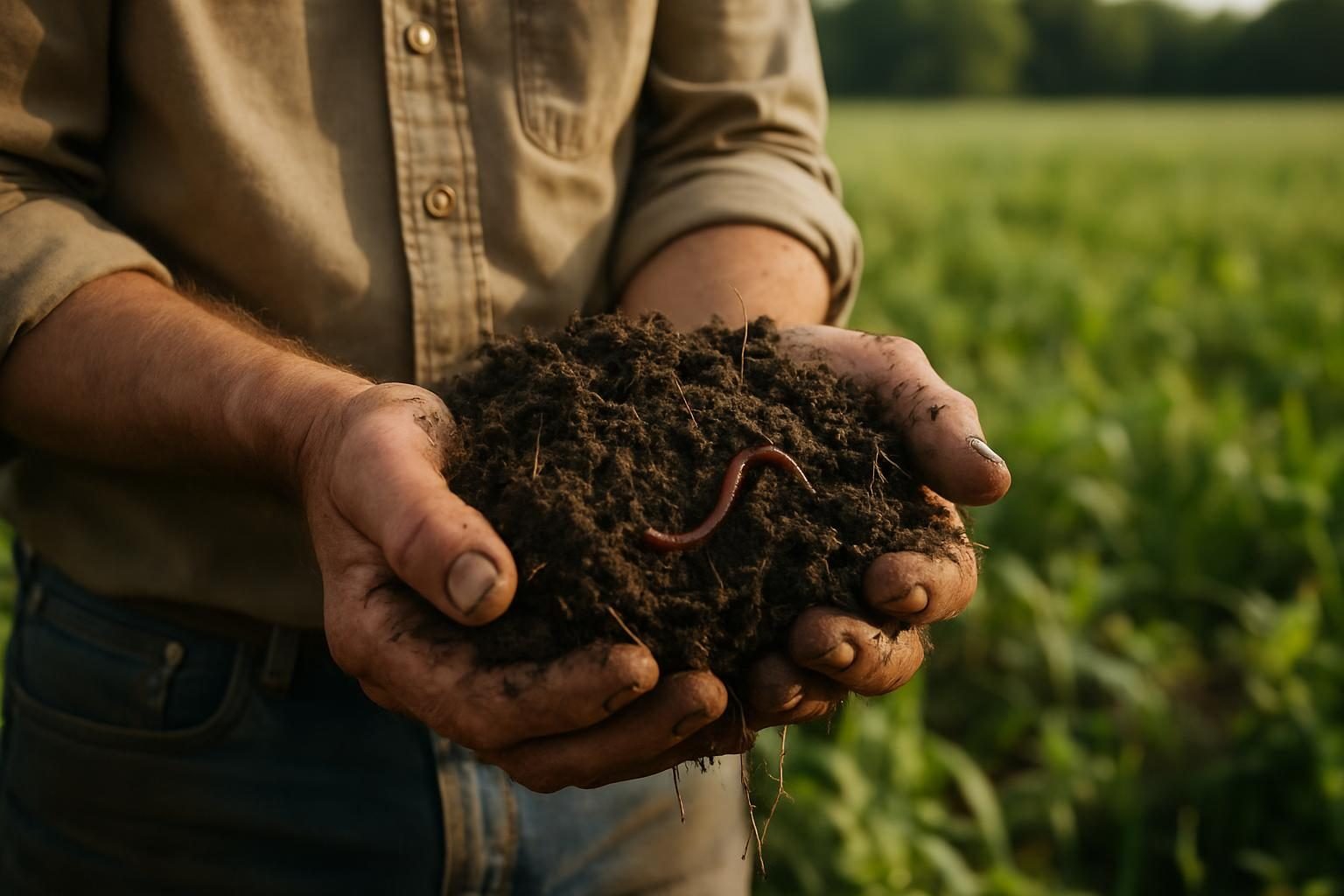
Regenerative Agriculture 101
What regenerative agriculture is, the core principles, how it differs from organic and conventional farming, and how to begin the transition on any size of farm.
Explore the basics →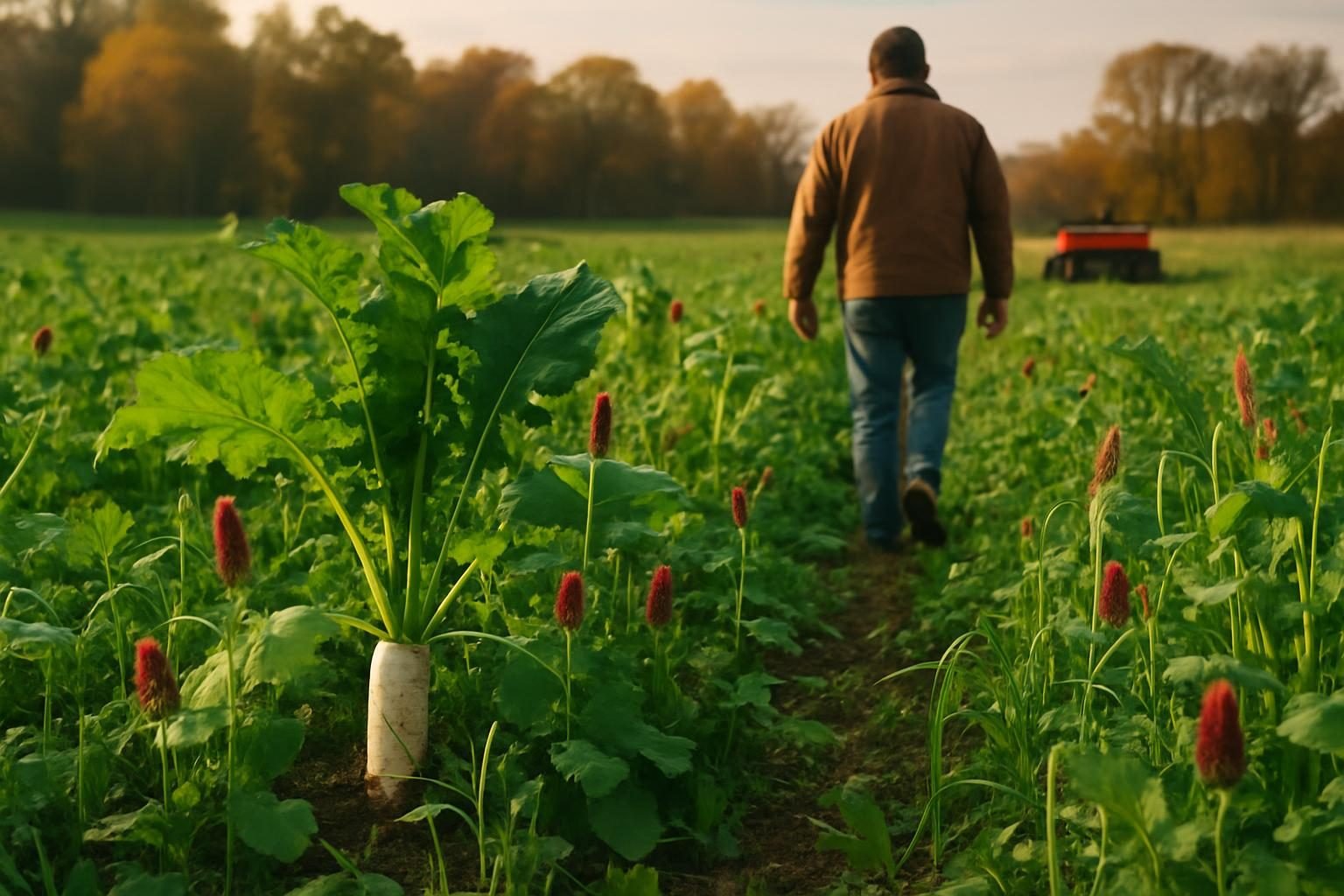
Soil Health
Cover crops, no-till, compost, soil biology and soil testing: practical guides to building organic matter, water infiltration and fertility from the ground up.
Explore soil health →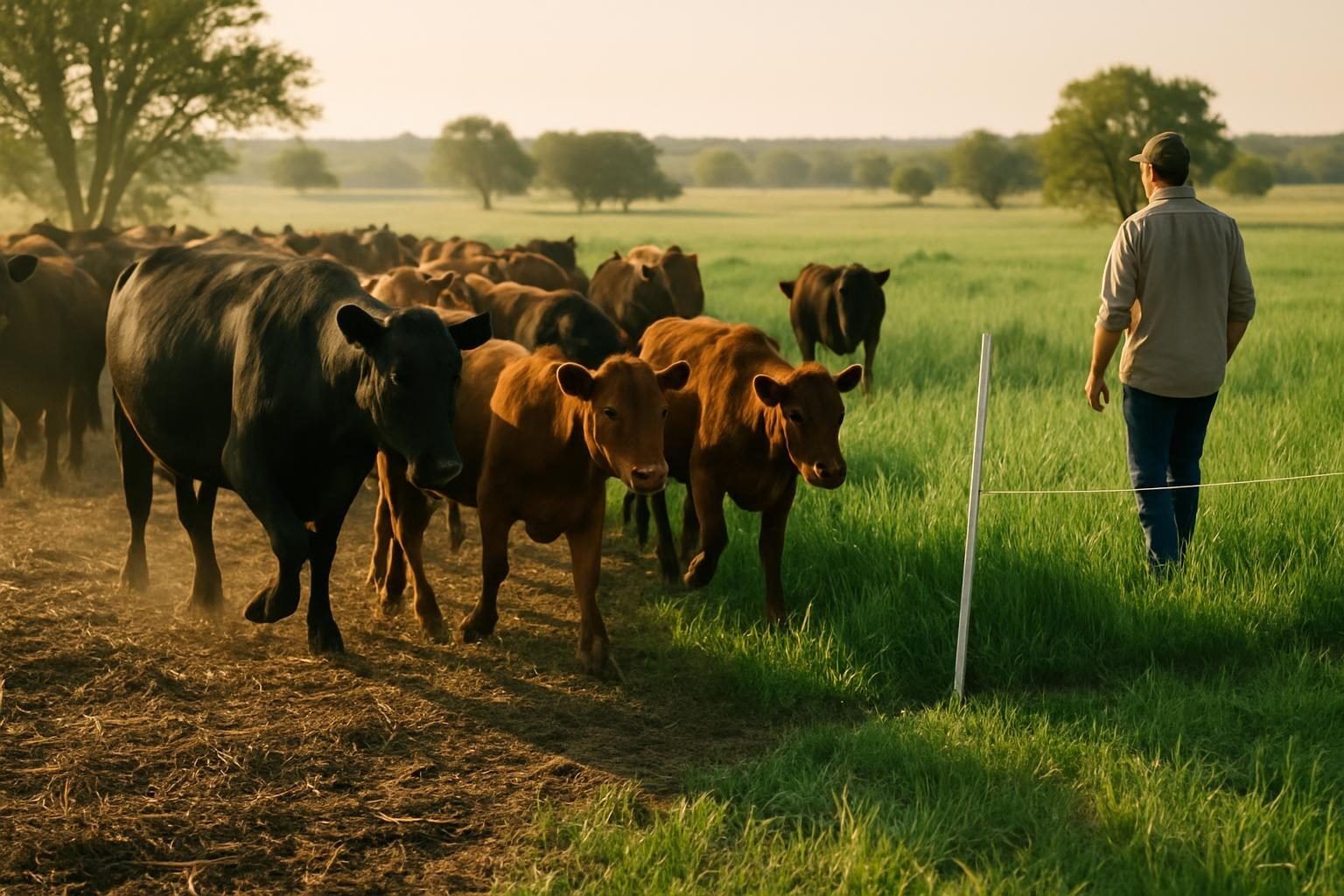
Grazing & Livestock
Adaptive multi-paddock and rotational grazing, pastured poultry and pigs, fencing and water systems, and how livestock rebuild land when they are managed well.
Explore grazing →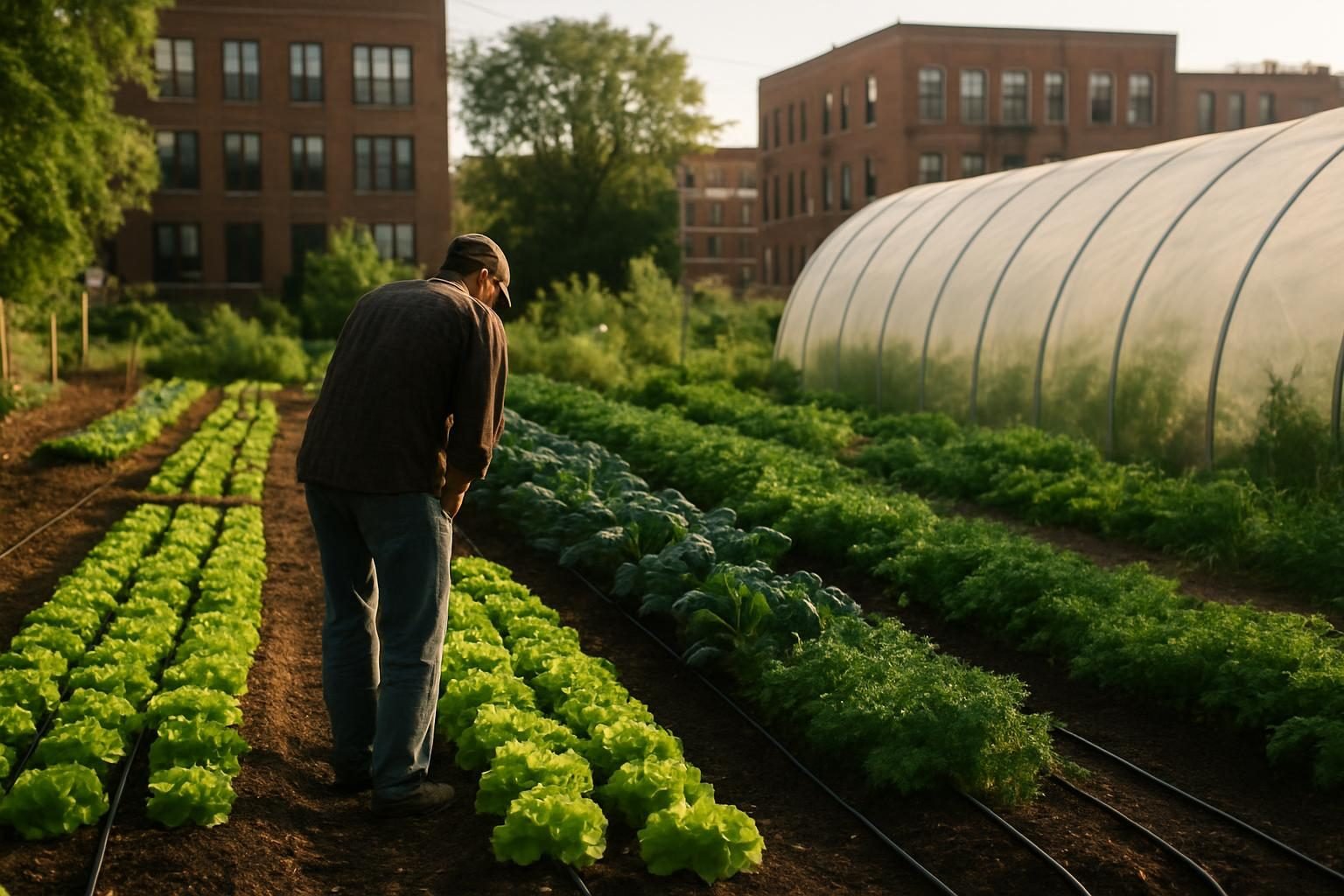
Small & Urban Farms
Market gardens, urban farms, homesteads and backyard growing: how small growers use regenerative methods to produce more food closer to home.
Explore small & urban farms →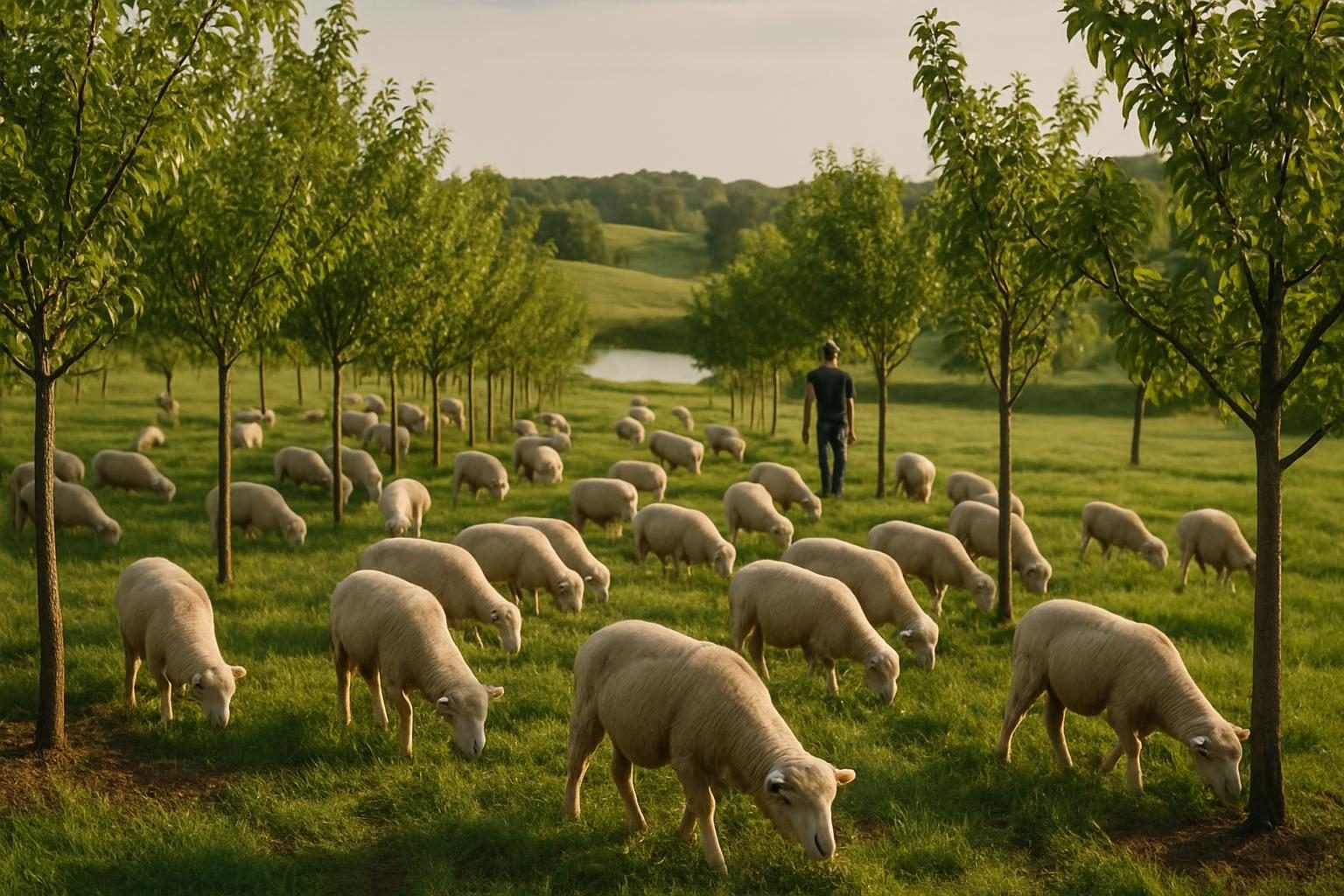
Agroforestry & Water
Silvopasture, alley cropping, food forests, windbreaks, keyline design and water harvesting: putting trees and water to work on the farm.
Explore agroforestry →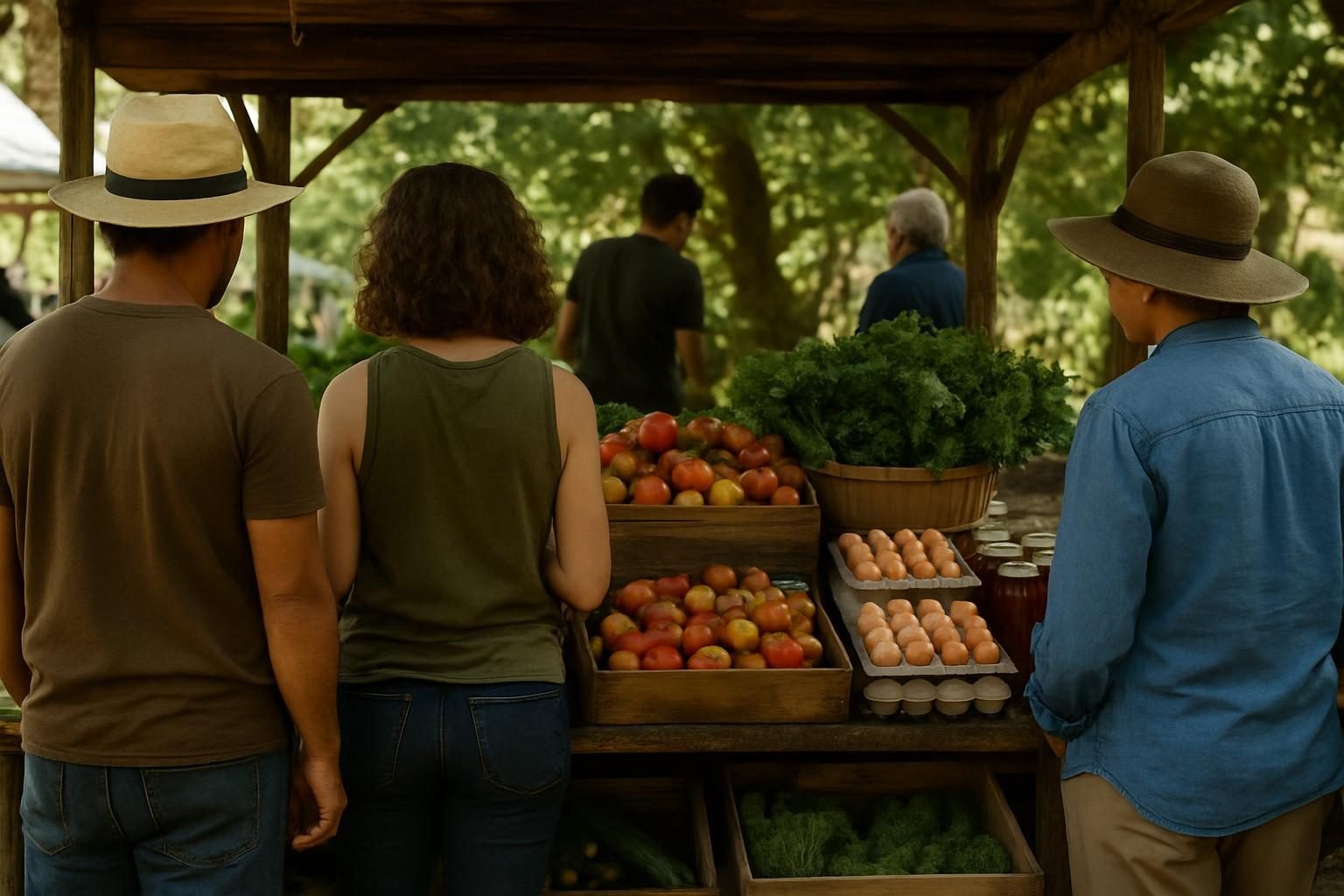
Farm Business & Funding
Grants and cost-share programs, certifications, direct-to-consumer sales, CSAs, pricing and the economics of farming regeneratively.
Explore farm business →